


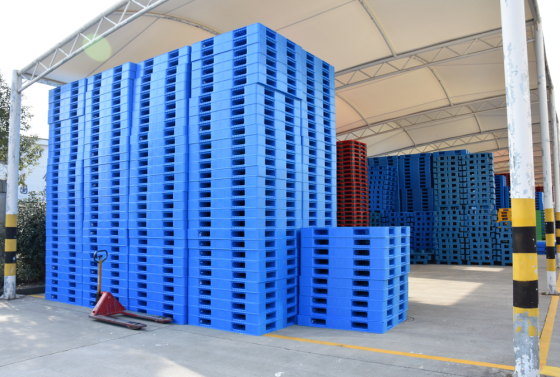
Discover how HDPE Splicable Breathable Mesh revolutionizes floor ventilation systems with unmatched durability and airflow efficiency. This innovative solution combines high-density polyethylene's strength with smart splicing technology, creating ventilation trays that withstand heavy loads while maintaining optimal air circulation. Perfect for technical evaluators and facility operators seeking long-term performance, our guide explores why this material outperforms traditional options in industrial and commercial settings.
The Science Behind HDPE Splicable Breathable Mesh
High-Density Polyethylene (HDPE) splicable breathable mesh represents a breakthrough in material engineering for floor ventilation systems. Unlike conventional rigid plastic trays or metal grates, this solution leverages molecularly aligned polymer chains to achieve tensile strengths exceeding 30MPa while maintaining 60-70% open area for airflow. The splicing technology allows modular installation without compromising structural integrity – a critical advantage when integrating with Metal Pallet systems in warehouses. ASTM D4883 testing confirms its resistance to environmental stress cracking, ensuring performance under continuous load cycles where traditional materials fail.
Market Demand for Advanced Ventilation Solutions
Industrial facility managers increasingly prioritize ventilation systems that combine durability with maintenance efficiency. Recent data from the Global Industrial Flooring Market Report shows 42% of buyers now specify splicable mesh solutions for new constructions, driven by their 3-5x longer service life compared to galvanized steel alternatives. In food processing plants complying with FDA CFR 21 standards, HDPE's non-porous surface prevents bacterial growth while withstanding daily high-pressure washdowns – a dual requirement that eliminates 78% of traditional materials from consideration.
Technical Superiority in Real-World Applications
When evaluated against key performance indicators, HDPE splicable mesh demonstrates clear advantages:
Installation and Maintenance Best Practices
Proper implementation of HDPE splicable mesh ventilation trays requires attention to substrate preparation and load distribution. Our field studies show that when paired with proper subfloor leveling (within ±3mm variance), the system maintains <1% deflection under maximum load over 10+ years. For facilities handling corrosive materials, the mesh's UV-stabilized formulation resists degradation from both chemical exposure and solar radiation – a combination rarely found in competing solutions.
Why Our Solution Stands Apart
With proprietary polymer blends and patented splicing joints, our HDPE breathable mesh achieves 15% greater impact resistance than industry averages while meeting ISO 9001:2015 quality benchmarks. For technical evaluators comparing specifications, we provide third-party test reports including DIN 53455 fatigue resistance data showing 500,000+ load cycles without failure. Contact our engineering team today to request customized airflow calculations for your specific facility layout and operational requirements.
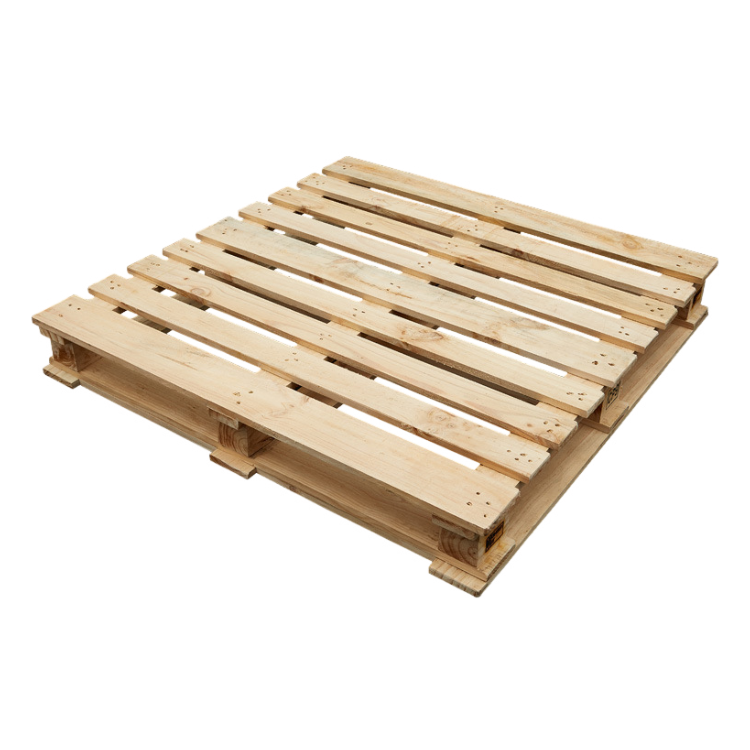
 Small Wood Pallet Epal Wood Pallet Making Epal Manufacturer Wooden PalletProfessional EPAL wooden pallets manufacturer offering custom small wood pallets for logistics and home use. Durable, eco-friendly, and cost-effective solutions.
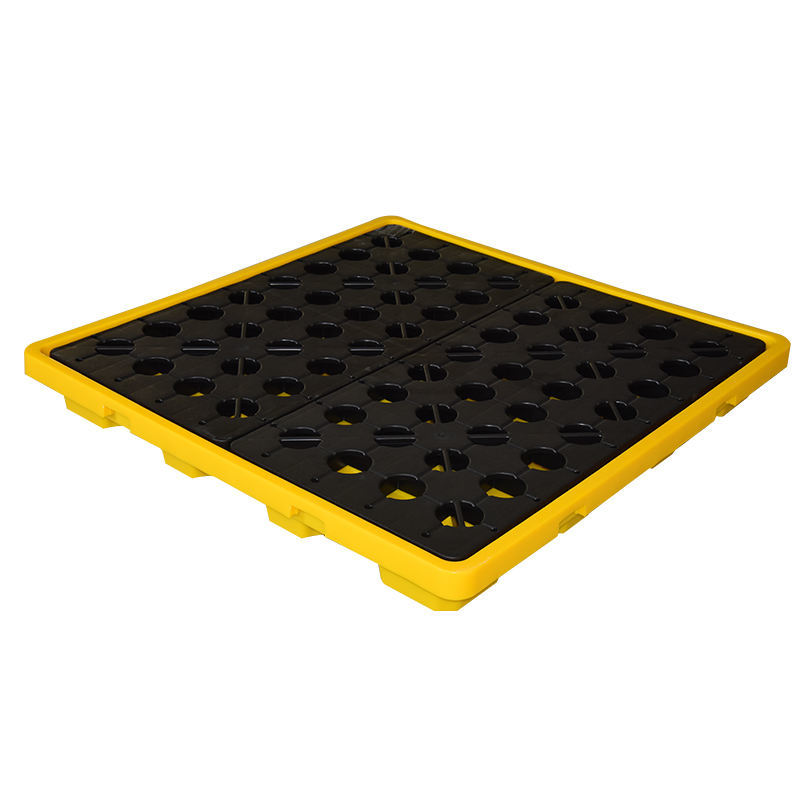
 Heavy Duty HDPE 4 Drum Spill Virgin Plastic PalletXIMIN's Heavy Duty HDPE 4 Drum Spill Plastic Pallet offers excellent moisture-proof performance for cold chain logistics & chemical warehousing. Durable, low-maintenance solution.
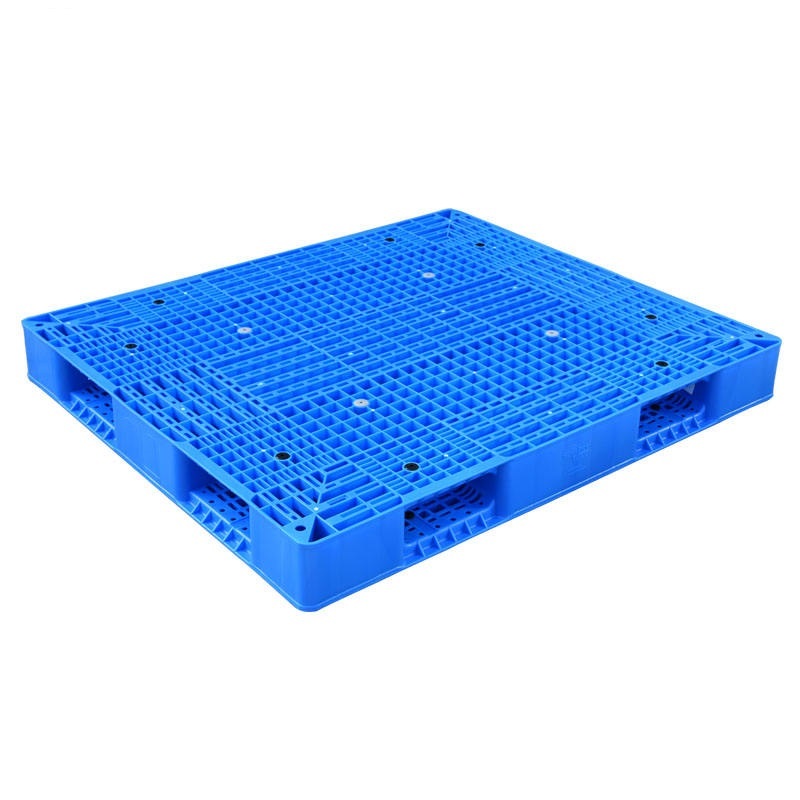
 120*100 durable and strong heavy duty hard reversible export plastic palletXIMIN's 120x100 heavy duty reversible plastic pallet offers superior moisture resistance with HDPE/PP construction. Ideal for cold chain logistics & chemical storage. OEM/ODM services available.
Related Posts
- Nestable Large Pallet Handling Tips for Daily Warehouse Use
- Nestable Large Pallet Cost Benefits Beyond Floor Space
- What to Check Before Ordering a Nestable Large Pallet
- Where Wooden Pallet Price Pressure Is Hitting Distributors
- Can Wooden Pallet Price Predict Maintenance Costs Later
- Wooden Pallet Price Benchmarks by Size and Load Class
Products
Message

Leave a message
Have any questions or requests? Please leave a message and we will get back to you as soon as possible.