


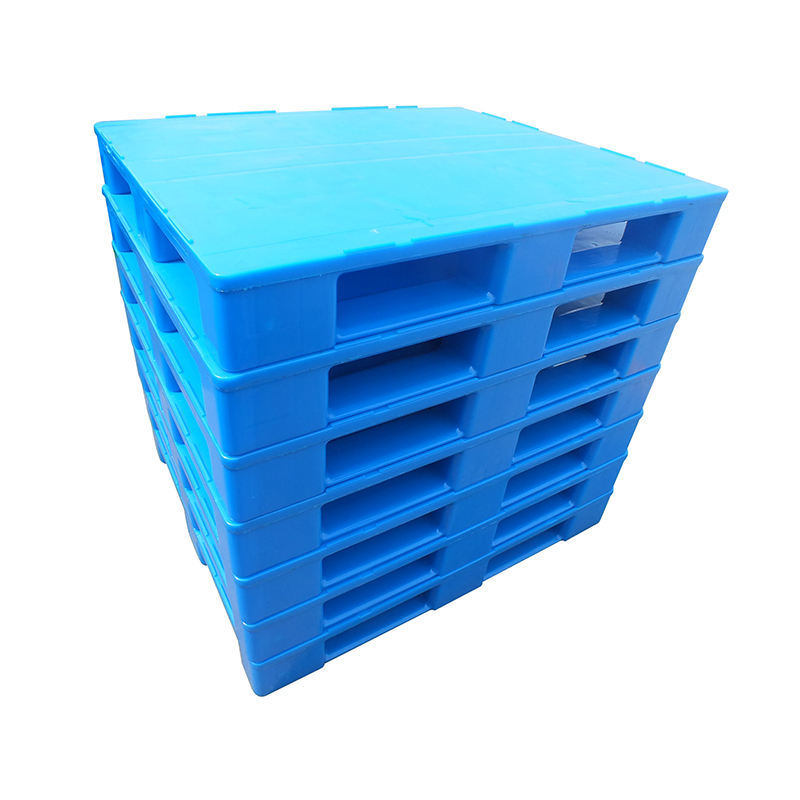
Choosing between HDPE and PP plastic pallets can significantly impact your supply chain efficiency and costs. As a procurement professional, understanding the key differences in durability, load capacity, and chemical resistance between these materials is crucial for making informed decisions. This buyer's checklist will guide you through the essential factors to consider when selecting the ideal plastic pallet for your specific operational needs.
Material Properties: HDPE vs PP Plastic Pallets
High-Density Polyethylene (HDPE) and Polypropylene (PP) are the two most common materials used in manufacturing industrial plastic pallets. While both offer advantages over traditional wooden pallets, their chemical compositions create distinct performance characteristics. HDPE pallets exhibit superior impact resistance at low temperatures, making them ideal for cold chain logistics applications. PP pallets, on the other hand, demonstrate higher heat tolerance (up to 120°C vs HDPE's 80°C) and better chemical resistance to acids and solvents. The 120*100 durable and strong heavy duty hard reversible export plastic pallet exemplifies HDPE's durability with a 3-5 year lifespan even in demanding environments.
Technical Performance Comparison
Procurement Decision Factors
When evaluating plastic pallet options, procurement specialists should consider these critical factors:
- Load Requirements: Dynamic vs static load capacities vary significantly between materials and designs
- Environmental Conditions: Temperature extremes, UV exposure, and chemical contact determine material suitability
- Hygiene Standards: FDA/USDA compliance for food/pharmaceutical applications
- Material Handling Equipment: Compatibility with forklifts, pallet jacks, and automated systems
- Total Cost of Ownership: Includes purchase price, maintenance, lifespan, and disposal costs
Industry Applications & Case Examples
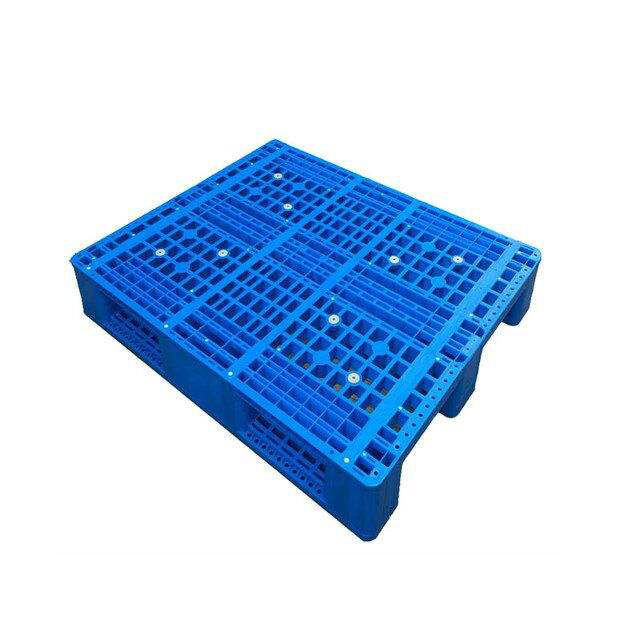
The 1411 grid Chuanzi model demonstrates how material selection impacts performance in specific industries. For cold chain logistics, HDPE's low-temperature toughness prevents cracking during freezer storage. In chemical storage applications, PP's superior resistance to corrosive substances maintains structural integrity. Our experience working with international brands has shown that proper material selection can reduce pallet replacement costs by up to 40% compared to using generic solutions.
Common Misconceptions About Plastic Pallets
Many procurement professionals mistakenly believe all plastic pallets offer similar performance. In reality, material grade (virgin vs recycled), manufacturing process (injection molding vs thermoforming), and structural design create substantial differences. Another frequent oversight is neglecting pallet dimensions - the standard 120x100cm Euro pallet size ensures compatibility with most racking systems, but custom sizes may be required for specialized equipment.
Why Choose Ximin Industrial for Your Plastic Pallet Needs
As a professional plastic pallet manufacturer with our own production facilities, Shanghai Ximin Industrial Development Co., Ltd. offers distinct advantages:
- Extensive OEM/ODM capabilities to meet unique specifications
- In-house R&D continuously developing new materials and technologies
- Proven track record serving global clients across multiple industries
- Responsive customer service with guaranteed 24-hour response times
- Comprehensive product range including specialized options like anti-static pallets
Our heavy duty plastic pallets combine the moisture resistance of HDPE with reinforced structural designs for maximum durability. Contact our team today for personalized recommendations based on your specific operational requirements and budget parameters.
 1000x1000x140mm European plastic palletXIMIN 1000x1000x140mm European plastic pallet offers excellent moisture-proof performance, wide application in humid environments, and low maintenance costs. Ideal for cold chain logistics and chemical warehousing.
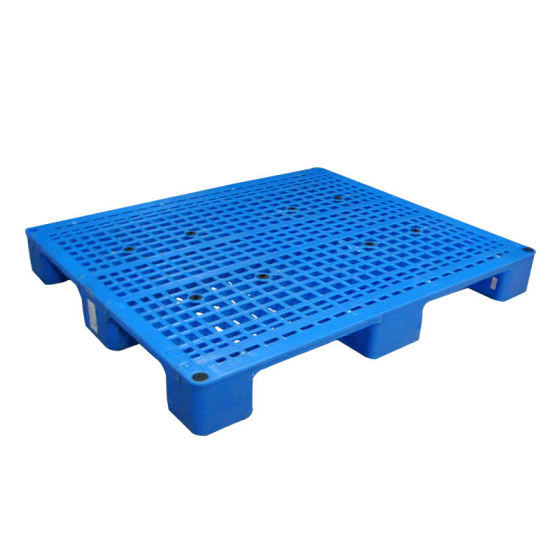
 Heavy duty high quality plastic pallet 1100x1100MM reusableXIMIN's heavy-duty 1100x1100mm plastic pallet offers superior moisture resistance, durability & 4-way entry. Ideal for cold chain logistics & chemical storage. OEM/ODM services available.
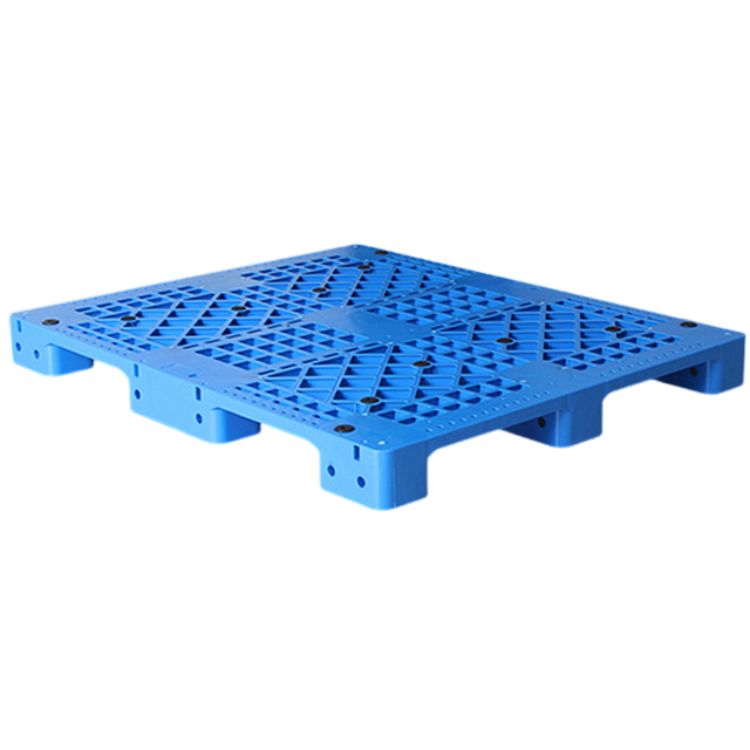
 120 X 120 Heavy Duty Plastic PalletDiscover our 120x120 heavy-duty plastic pallet with 6T static load capacity, made from HDPE/PP. Ideal for cold chain & chemical storage with moisture-proof features. Custom colors & sizes available.
Related Posts
- Nestable Large Pallet Handling Tips for Daily Warehouse Use
- Nestable Large Pallet Cost Benefits Beyond Floor Space
- What to Check Before Ordering a Nestable Large Pallet
- Where Wooden Pallet Price Pressure Is Hitting Distributors
- Can Wooden Pallet Price Predict Maintenance Costs Later
- Wooden Pallet Price Benchmarks by Size and Load Class
Products
Message

Leave a message
Have any questions or requests? Please leave a message and we will get back to you as soon as possible.