


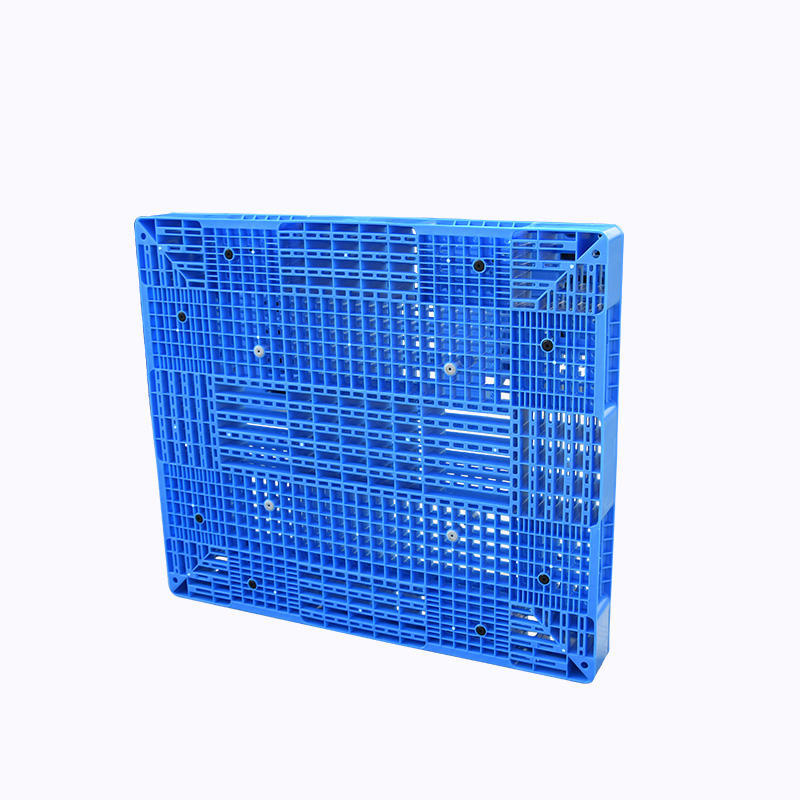
Choosing between warehouse pallets and plastic pallets significantly impacts your logistics cost-efficiency. As financial decision-makers and distributors seek durable, cost-effective solutions, this guide compares both options' ROI, lifespan, and operational benefits. Discover how plastic pallets outperform traditional materials in hygiene, weight savings, and long-term savings – critical factors for budget-conscious supply chains.
Cost Analysis: Initial Investment vs. Lifetime Value
When evaluating pallet options, financial approvers must consider total cost of ownership (TCO). Traditional wooden pallets like the 1300X1000 Euro wooden pallet offer lower upfront costs (typically $10-$25 per unit), but plastic pallets deliver superior ROI through:
- 3-5x longer lifespan (plastic withstands 10+ years vs. wood's 2-3 years)
- Zero repair costs (wooden pallets require 15-20% annual repair budgets)
- Reduced product damage (splinter-free plastic prevents 0.5-1.2% inventory losses)
A 2023 Material Handling Institute study revealed plastic pallets save $1.47 per shipment when factoring in replacement cycles and sanitation expenses.
Operational Efficiency Comparison
Weight & Handling Advantages
Plastic pallets are 30-35% lighter than wooden equivalents, directly impacting freight costs. For distributors shipping 10,000 loads annually, this translates to:
Hygiene & Compliance Benefits
Plastic's non-porous surface meets stringent FDA and EU sanitary standards for food/pharma logistics, eliminating:
- Bacterial growth risks (wood absorbs 8-12% moisture)
- Fumigation costs (ISPM-15 compliance adds $2-5/pallet)
- Chemical treatment expenses (wood requires periodic pesticides)
Sustainability & Customization Options
Modern plastic pallets address environmental concerns through:
- 100% recyclability (HDPE/PP materials can undergo 7-9 regeneration cycles)
- Closed-loop programs (manufacturers like Shanghai Ximin offer buyback initiatives)
- Custom configurations (nestable designs save 60% storage space vs. wooden block pallets)
For specialized needs, the 1300X1000 Euro wooden pallet remains viable for decorative applications, though plastic offers greater supply chain adaptability.
Decision Framework for Financial Approvers
Use this checklist to determine optimal pallet selection:
Conclusion: Future-Proofing Your Pallet Strategy
While traditional pallets serve basic needs, plastic pallets deliver measurable cost advantages through durability, efficiency, and compliance. Shanghai Ximin Industrial Development Co., Ltd. provides industry-certified plastic pallet solutions that align with modern logistics demands. Request a customized TCO analysis to quantify savings for your specific operation.
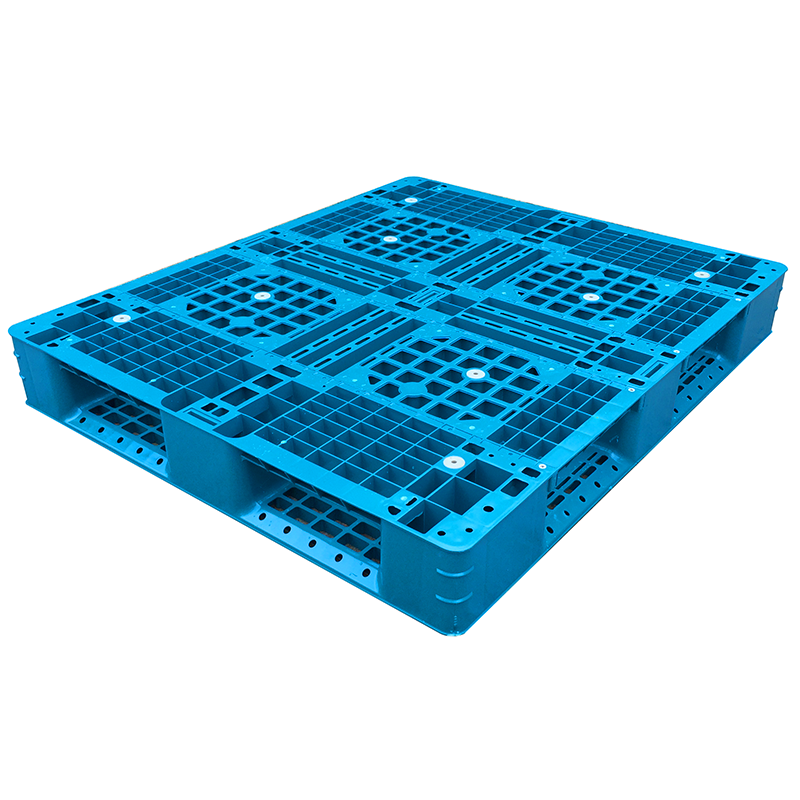
 Logistics rack warehouse can stack large plastic palletsXIMIN 1208 large plastic pallets offer excellent moisture-proof performance for logistics racks. Made of HDPE/PP, ideal for cold chain & chemical storage. Durable, low-maintenance, 3-5 year lifespan.
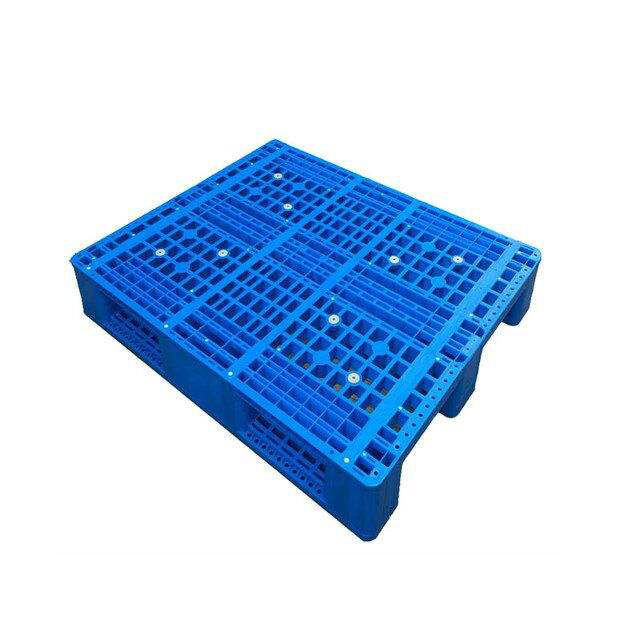
 1000x1000x140mm European plastic palletXIMIN 1000x1000x140mm European plastic pallet offers excellent moisture-proof performance, wide application in humid environments, and low maintenance costs. Ideal for cold chain logistics and chemical warehousing.
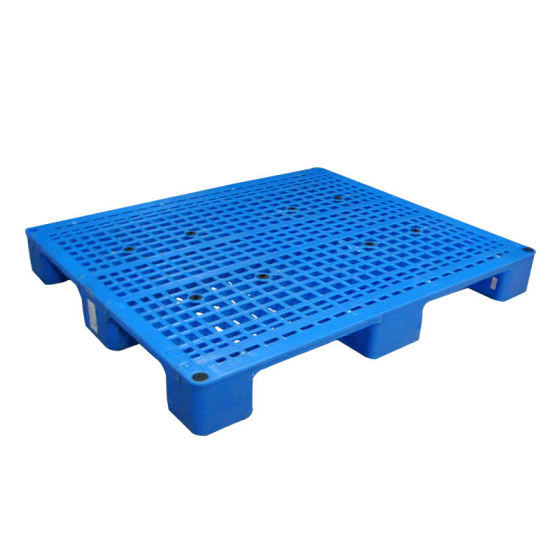
 Heavy duty high quality plastic pallet 1100x1100MM reusableXIMIN's heavy-duty 1100x1100mm plastic pallet offers superior moisture resistance, durability & 4-way entry. Ideal for cold chain logistics & chemical storage. OEM/ODM services available.
Related Posts
- Best Waterproof Pallet Manufacturer for Durable Solutions
- Are Plastic Pallets Strong Enough for Heavy-Duty Industrial Use?
- How to Choose Between HDPE and PP Plastic Pallets (A Buyer's Checklist)
- How to Choose Between Warehouse Pallets and Plastic Pallets for Cost-Effective Logistics
- The Pros and Cons of Using Large Pallets in Warehouse Management
- Metal Pallets vs. Plastic Pallets: Which is More Cost-Effective for Heavy-Duty Use?
Products
Message

Leave a message
Have any questions or requests? Please leave a message and we will get back to you as soon as possible.