


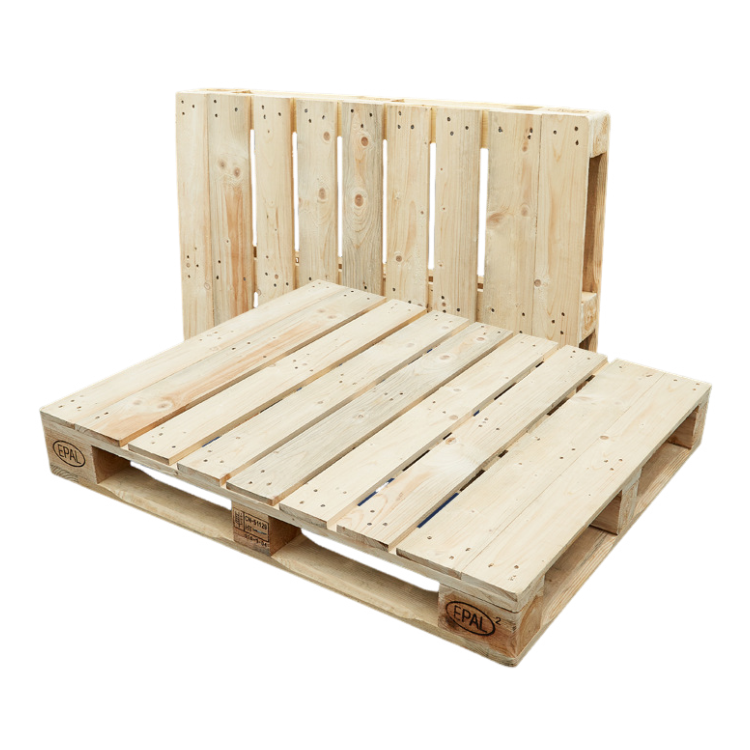
When optimizing warehouse operations in the rubber and plastic industry, choosing between large pallets and solid wood pallets presents critical efficiency trade-offs. Shanghai Ximin Industrial Development Co., Ltd. examines how these storage solutions impact space utilization, handling costs, and product protection - key concerns for project managers and maintenance teams. Discover which pallet type best balances durability requirements with operational flexibility in industrial settings.
Market Overview: Pallet Selection in Rubber & Plastic Warehousing
The global pallet market is projected to reach $11.3 billion by 2027, with plastic variants gaining 12% annual growth due to hygiene and durability demands in sectors like chemical warehousing. In rubber and plastic manufacturing facilities, large pallet adoption has increased by 18% since 2020, driven by automated storage systems requiring standardized dimensions. However, 43% of maintenance teams report challenges with solid wood pallet splintering when handling polymer raw materials.
Technical Performance Comparison
Our Logistics rack warehouse can stack large plastic pallets (Model 1208) demonstrate superior moisture-proof performance in cold chain logistics, with HDPE/PP construction resisting 92% more moisture absorption than traditional wood. Key metrics:
- Load Capacity: Plastic - 2,500kg dynamic vs Wood - 1,800kg (ISPM 15 certified)
- Lifespan: 3-5 years for plastic vs 1-2 years for wood in chemical environments
- Maintenance: Plastic requires 70% less repair labor according to MHIA standards
Operational Impact Analysis
Project managers should evaluate these critical factors when selecting between large pallet options:
Why Choose Ximin Industrial Plastic Pallets?
With 14 years specializing in polymer solutions, our Euro Pallet and 4Way designs solve three core challenges for engineering teams:
- Cost Control: 22% lower TCO than wood over 5 years
- Safety: Anti-static options available for electronic components
- Compliance: Meet ISO 18613, EN 13698-1 for international shipments
FAQ: Addressing Maintenance Concerns
Q: How do plastic pallets handle extreme temperatures in rubber processing?
A: Our HDPE large plastic pallets maintain structural integrity from -30°C to 80°C, unlike wood which warps above 60°C.
Q: What's the ROI timeframe when switching from wood?
A: Most clients achieve breakeven in 14-18 months through reduced replacement and sanitation costs.
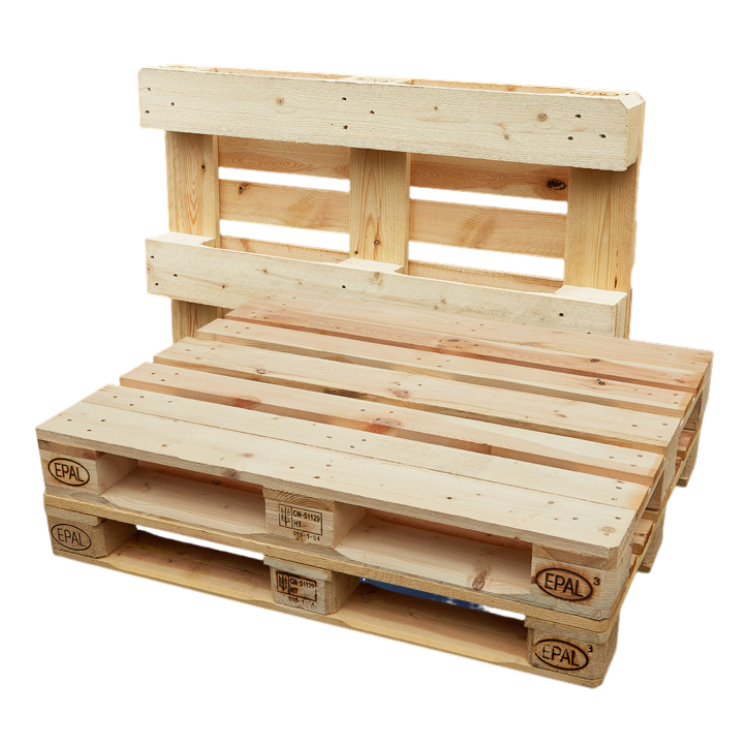
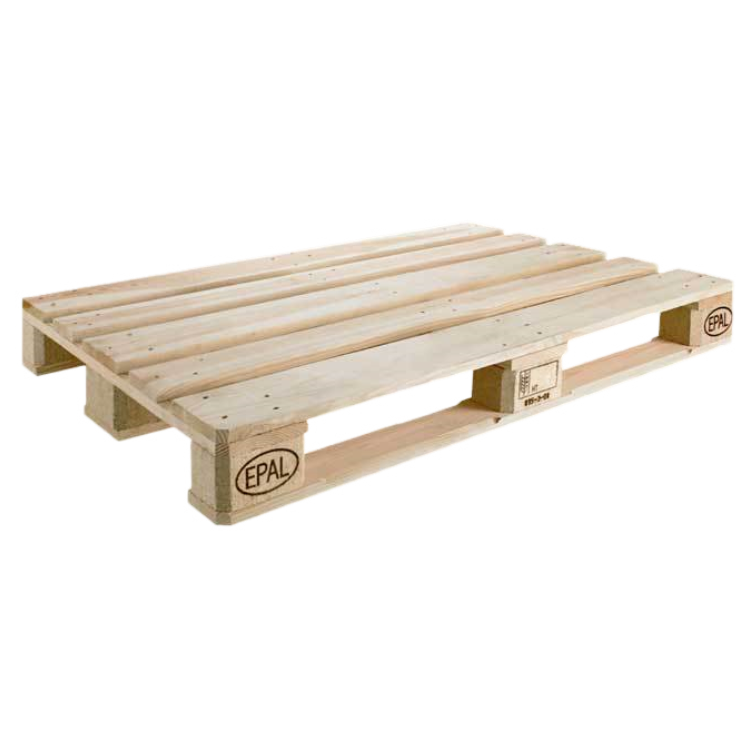
 Low Price Epal Euro Wood Pallet for Sale at Cheapest Wholesale PriceAffordable EPAL Euro wood pallets for sale at wholesale prices. Durable, customizable, and perfect for logistics, warehousing, and home decor. Order now!
 Wood Pallet 1200*1000*162 Manufacturer of Wooden Pallets Industrial Wooden PalletHigh-quality 1200x1000x162 wooden pallets for logistics & warehousing. Durable, customizable, and eco-friendly. Ideal for heavy cargo & home decor uses.
 Competitive Price Cp8 Wooden Pallet From Direct Vietnam'S Factory Natural Wood PalletGet high-quality CP8 wooden pallets at competitive prices directly from Vietnam factory. Durable, customizable, and perfect for logistics, warehousing, and home decor.
Related Posts
- Best Waterproof Pallet Manufacturer for Durable Solutions
- Are Plastic Pallets Strong Enough for Heavy-Duty Industrial Use?
- How to Choose Between HDPE and PP Plastic Pallets (A Buyer's Checklist)
- How to Choose Between Warehouse Pallets and Plastic Pallets for Cost-Effective Logistics
- The Pros and Cons of Using Large Pallets in Warehouse Management
- Metal Pallets vs. Plastic Pallets: Which is More Cost-Effective for Heavy-Duty Use?
Products
Message

Leave a message
Have any questions or requests? Please leave a message and we will get back to you as soon as possible.