


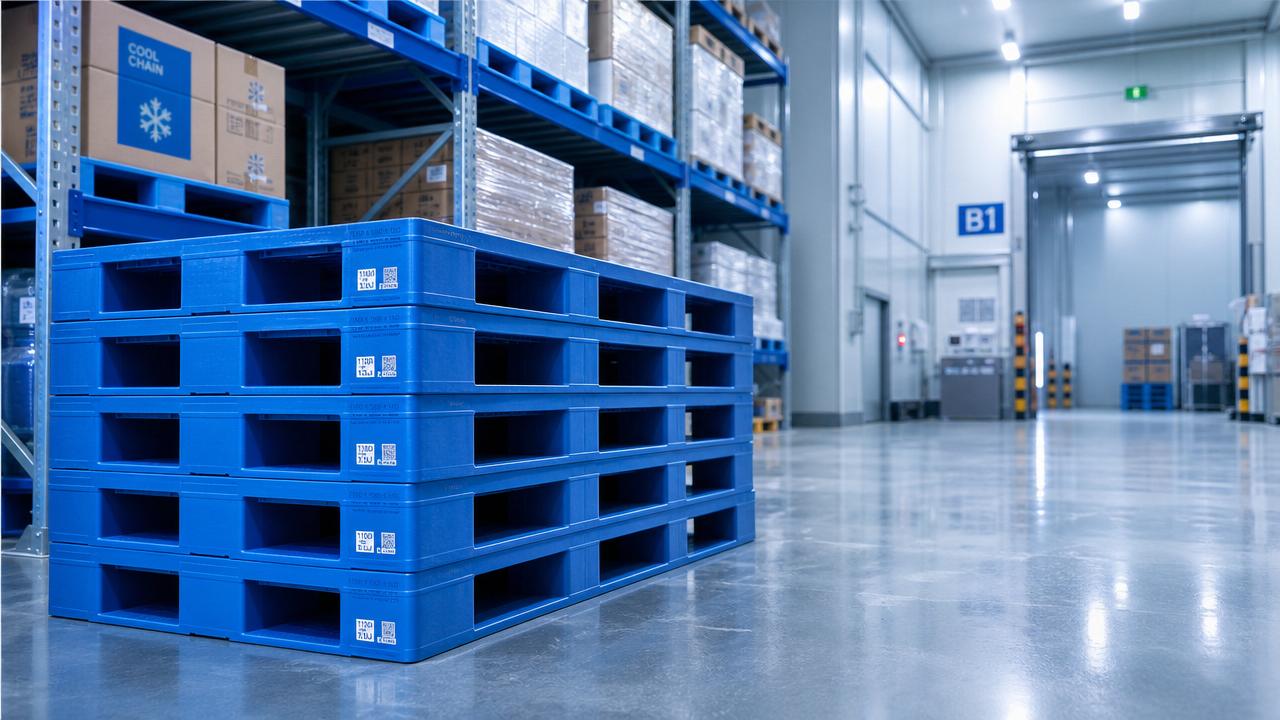
Why the Durable Euro Heavy Duty Plastic Pallet Matters More in Cold Storage
As cold storage operations across Europe evolve, the Durable Euro Heavy Duty Plastic Pallet is becoming a practical answer to hygiene, durability, and cost control.
Low temperatures, moisture, and repeated handling put constant pressure on pallet performance. That is why pallet trends now focus less on price alone and more on long-term reliability.
In rubber and plastics applications, material choice is critical. HDPE and PP pallets are gaining attention because they resist moisture, reduce splinter risk, and stay easier to clean.
What is changing across European cold chain environments
A Durable Euro Heavy Duty Plastic Pallet is no longer seen as a basic transport platform. It is increasingly treated as a hygiene, safety, and warehouse-efficiency tool.
Food storage sites want smoother surfaces and easier wash-down routines. Logistics hubs want fewer breaks during forklift movement. Chemical warehousing often needs stronger moisture resistance and stable load support.
This shift also supports businesses looking to reduce replacement cycles. A pallet that performs well in freezing rooms can lower downtime and avoid hidden handling costs.
Key points worth checking first
- Start with material behavior in low temperatures. A Durable Euro Heavy Duty Plastic Pallet should resist cracking, deformation, and surface damage during repeated cold-room handling.
- Check moisture performance, not only load rating. In frozen and chilled spaces, water exposure and condensation often create bigger long-term problems than static weight alone.
- Review entry design with actual equipment paths. A 4-way pallet often improves movement speed, especially when forklift access angles are limited in dense storage aisles.
- Look at cleaning frequency before choosing structure. Double-faced plastic pallets can offer more stable cargo support, but sanitation routines should match the site’s workflow.
- Estimate life-cycle cost instead of unit price. Lower maintenance, fewer breakages, and reduced contamination risk often make a heavy-duty plastic pallet more economical over time.
Material and design trends shaping current pallet choices
The most visible trend is the move toward stronger plastic structures with better low-temperature stability. HDPE remains a preferred option where impact resistance and moisture protection matter most.
PP also appears in some applications, especially where balanced rigidity and repeat use are important. In both cases, the goal is similar: fewer failures in cold and wet conditions.
Another trend is standardized movement efficiency. Euro pallet formats, 4-way entry, and double-faced designs are being selected to fit modern automation, racking, and cross-docking needs.
One example is Custom unique design plastic pallet heavy duty pallet manufacturer food industry plastic pallet, built for food industry, logistics, cold chain logistics, and chemical warehousing.
Its Euro Pallet model uses HDPE or PP, supports 4-way entry, features a double-faced style, and weighs 50kg for stable cargo support in demanding environments.
A quick comparison for practical review
Where these trends show up most clearly
Food and frozen goods storage
This is where the Durable Euro Heavy Duty Plastic Pallet stands out fastest. Moisture resistance and easy cleaning directly support stricter hygiene expectations.
The main check points are surface cleanliness, odor retention, and stability under stacked loads. Small pallet defects can quickly become product-handling issues here.
Cold chain logistics hubs
In fast-moving distribution sites, repeated loading and unloading expose weak pallet structures very quickly. Impacts at dock edges and forklift contact points are common stress areas.
A Durable Euro Heavy Duty Plastic Pallet with 4-way entry helps keep movement smoother. That matters when seconds per handling cycle start adding up.
Chemical warehousing
Cold storage is not limited to food. Some chemical products also need controlled temperatures, where moisture and corrosion concerns make plastic pallets especially useful.
In these environments, stable cargo support and low maintenance become just as important as hygiene. Material compatibility should always be checked before large-volume use.
Common oversights that create avoidable problems
- Do not assume every heavy-duty pallet performs the same in freezing rooms. Some designs handle static loads well but fail faster under repeated cold impact.
- Do not ignore cleaning routines during selection. A pallet that is hard to wash or dry can raise hygiene pressure and increase labor over time.
- Do not separate pallet choice from equipment use. Forklift forks, rack width, and turning space all affect whether a Durable Euro Heavy Duty Plastic Pallet works efficiently.
- Do not focus only on upfront purchase cost. Replacement cycles, product damage risk, and handling delays usually have a larger financial impact later.
How to narrow down the right option
A useful starting point is to map real operating conditions. Note the lowest temperature, average load, stacking height, movement frequency, and cleaning method.
Then compare those needs with pallet structure, entry type, and maintenance expectations. This often gives a clearer answer than reviewing specifications in isolation.
Shanghai Ximin Industrial Development Co., Ltd. works across plastic pallets, iron pallets, wooden pallets, molded pallets, turnover boxes, waste bins, tanks, hollow boards, and related industrial plastic products.
That wider product background matters because cold storage operations rarely depend on pallets alone. Storage flow, containers, handling tools, and sanitation needs are closely connected.
If a site needs custom support, OEM and ODM capability can also help align pallet design with specific temperature, logistics, or product-contact requirements.
Final practical takeaway
The current direction is clear. The Durable Euro Heavy Duty Plastic Pallet is becoming a preferred solution because it supports hygiene, stable handling, and lower long-term maintenance in cold storage.
Instead of asking only whether a pallet can carry the load, it makes more sense to ask how it performs after months of cold, wet, high-frequency use.
That simple shift leads to better decisions. Review temperature exposure, moisture levels, handling patterns, and cleaning demands first, then match them with a durable plastic pallet solution that fits daily reality.
Related Posts
- How to Judge Plastic Box Quality Before Bulk Orders
- Industrial Crate Handling Rules for Safer Daily Operations
- 2026 Industrial Crate Demand and Margin Outlook
- Euro Heavy Duty Plastic Pallet Trends in Cold Storage
- 2026 Durable Euro Plastic Pallet Supply and Lead Time News
- How Plastic Box Ventilation Changes Product Protection
Products
Message

Leave a message
Have any questions or requests? Please leave a message and we will get back to you as soon as possible.