


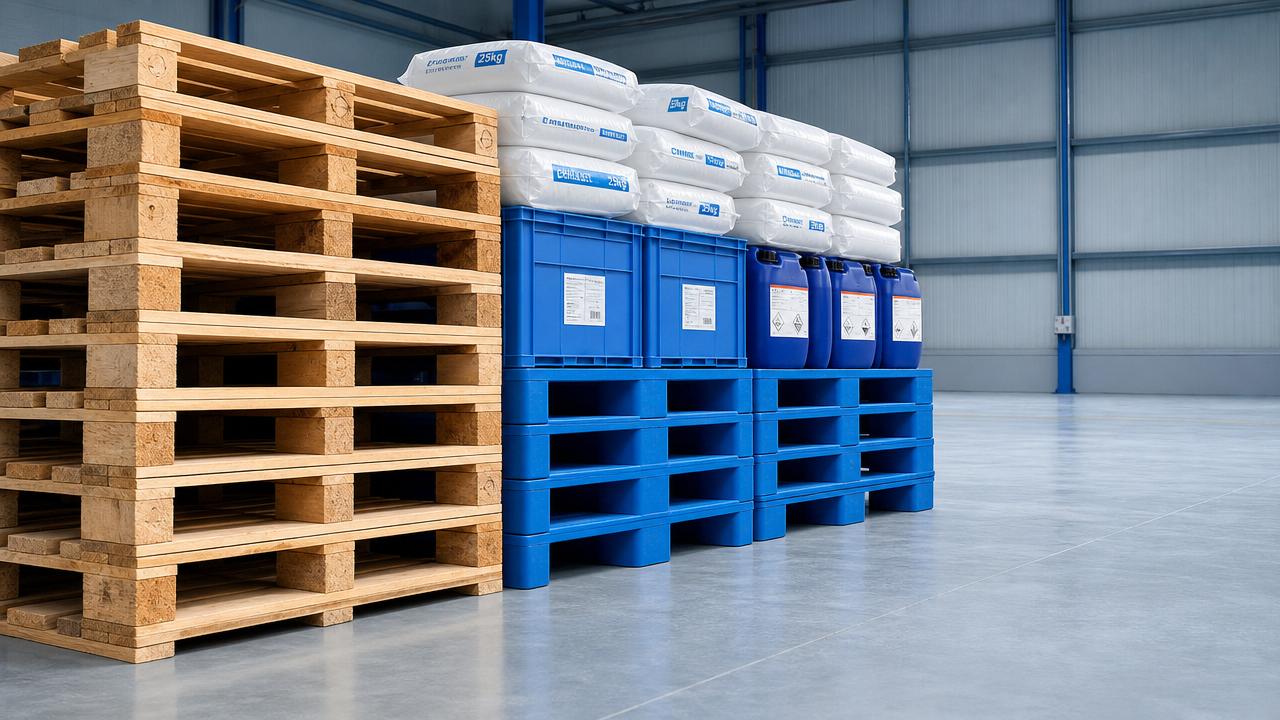
For finance decision-makers, wooden pallet price is more than a line-item cost—it directly shapes packaging budgets, transport efficiency, and replacement frequency. Understanding how pallet pricing connects with durability, supply stability, and total handling expenses helps businesses control spending without weakening logistics performance. This article explores the key cost factors and smarter budgeting considerations behind wooden pallet procurement.
Why wooden pallet price matters beyond unit cost
A low quote can look attractive during approval, yet wooden pallet price affects far more than the purchase order. Finance teams often discover the real impact later through breakage, moisture damage, urgent replenishment, cargo claims, and higher labor time in warehousing.
In the rubber and plastics industry, pallets support resin bags, finished plastic parts, drums, bins, and export loads. That means budgeting should consider load stability, hygiene needs, storage conditions, and how often pallets circulate through demanding logistics loops.
- Lower initial wooden pallet price may increase replacement frequency when pallets crack, absorb water, or lose structural strength.
- Poor consistency can reduce stacking safety and increase packaging loss, especially in chemical storage and export handling.
- Procurement delays during timber supply fluctuations can interrupt outbound schedules and create hidden working-capital pressure.
What finance approvers should ask first
Before approving a purchase based only on wooden pallet price, ask whether the pallet is for one-way shipping, repeated warehouse circulation, or regulated storage. The answer changes the cost logic. A cheaper pallet may fit disposable use, but it may be expensive in a multi-trip system.
Which factors drive wooden pallet price in real procurement?
Wooden pallet price moves with material grade, pallet design, treatment needs, order volume, and destination requirements. For finance teams, the key is to separate controllable costs from volatile market costs and then build a more stable annual packaging budget.
The table below shows common cost drivers that influence wooden pallet price and their budgeting effect in industrial packaging operations.
For packaging budgets, the most useful approach is not chasing the lowest wooden pallet price every month. It is building a purchasing model that balances supply continuity, pallet life, and operational fit.
Why market volatility matters
Wood costs can fluctuate with season, freight, and regional supply. When the procurement strategy depends entirely on wood, finance teams face more exposure to unstable budgeting. Mixed-material planning can reduce this risk.
Wood vs plastic pallets: where budgets often change
In many industrial settings, wooden pallet price looks lower at the start, while plastic pallets often perform better over repeated cycles. This is especially relevant where moisture, chemical contact, and sanitation matter. Shanghai Ximin Industrial Development Co., Ltd. supplies both wooden and plastic pallet solutions, which helps buyers compare based on use case rather than assumption.
The comparison below helps finance approvers evaluate when a higher upfront pallet cost may actually lower packaging spend over time.
This does not mean wood is wrong. It means wooden pallet price should be judged against trip count, damage rate, and environment. For export, one-way use, wood may remain practical. For repeated internal circulation, plastic may protect margins better.
A practical example for budget planning
A warehouse handling moisture-sensitive packaging materials may spend less initially with wood, but if pallets require frequent replacement and cause product contamination risk, the annual cost can exceed a more durable alternative. In such cases, a model like the Heavy Duty Plastic 6ft Custom Single Sided Plastic Pallet becomes relevant for comparison, especially for cold chain logistics or chemical storage.
How finance teams should evaluate total cost, not just wooden pallet price
Total cost of ownership is the clearer metric for pallet approval. It combines price, lifespan, replacement, freight efficiency, downtime, and loss risk. This is where many packaging budgets become more accurate and easier to defend internally.
Core cost items to calculate
- Purchase cost per pallet and expected annual volume.
- Average service cycles before repair or replacement.
- Labor cost for sorting damaged units and handling returns.
- Losses caused by broken decks, protruding nails, or unstable stacking.
- Compliance or treatment cost for export and regulated sectors.
For rubber and plastics operations, hidden costs often come from contamination control, dimensional consistency, and transport safety. These issues rarely appear in the original quote, yet they directly influence packaging budget performance.
When a plastic alternative deserves review
If your business has washdown requirements, humid warehouses, or repeated movement between plants, review durable plastic options. A pallet made from high-density polyethylene (HDPE) or polypropylene (PP), with low maintenance and moisture resistance, can fit cost-control goals even when wooden pallet price remains lower on paper.
One example is a single-sided 6ft pallet with a 2Way entry type, 10kg weight, and a stated service life of 3–5 years. Those specifications are useful when finance teams compare replacement cycles and handling efficiency against recurring wood purchases.
What should be included in a pallet procurement approval checklist?
A stronger approval process helps prevent short-term savings from creating long-term cost leakage. The checklist below can support finance, purchasing, and warehouse teams during vendor evaluation.
This checklist is especially useful when suppliers offer multiple materials. Shanghai Ximin Industrial Development Co., Ltd. provides wooden pallets, plastic pallets, iron pallets, molded pallets, and plastic turnover products, allowing buyers to evaluate alternatives under one sourcing discussion rather than comparing disconnected quotes.
FAQ: common budget questions about wooden pallet price
Is the lowest wooden pallet price the best choice for annual budgeting?
Not always. It may help short-term cash control, but if damage, moisture exposure, or poor consistency increase operational loss, annual spend can rise. Finance teams should compare price per usable cycle, not just price per unit.
When should a company switch from wood to plastic pallets?
Review the switch when pallets are reused frequently, stored in wet conditions, exposed to chemicals, or cleaned regularly. These scenarios often make plastic pallets more stable in long-term budgeting, even if wooden pallet price remains lower at purchase.
What pallet features matter most in rubber and plastics logistics?
Moisture resistance, dimensional consistency, durability, and maintenance demand matter most. Warehouses handling pellets, additives, molded products, or chemical containers need pallets that protect product integrity and support efficient mechanical handling.
How can finance teams improve forecasting accuracy?
Track replacement rate, damage rate, average trips per pallet, and lead time. Then compare those numbers by pallet material. A supplier that can discuss both standard and custom options will usually help build a more realistic budget model.
Why choose us for pallet budgeting and selection support?
For finance approvers, the goal is not simply finding a lower wooden pallet price. It is securing a packaging solution that aligns with cost control, logistics performance, and supply reliability. Shanghai Ximin Industrial Development Co., Ltd. supports this process with a broad product portfolio covering plastic pallets, wooden pallets, iron pallets, molded pallets, turnover boxes, and related industrial plastic products.
- Ask for parameter confirmation based on load, entry type, environment, and circulation frequency.
- Discuss product selection between wood, plastic, iron, or molded pallet options for your exact warehouse and transport flow.
- Confirm delivery cycle, sample support, and whether custom OEM/ODM design is needed for your packaging line.
- Review quotation structure together, including unit cost, expected service life, and maintenance assumptions.
If your team is comparing wooden pallet price against long-term operating cost, it is worth discussing both standard wooden solutions and durable alternatives such as the Heavy Duty Plastic 6ft Custom Single Sided Plastic Pallet. A clearer comparison today can prevent avoidable packaging overspend later.
Related Posts
- How Wooden Pallet Price Affects Packaging Budgets
- Wooden Pallet Price vs Plastic: Which Costs Less Now
- Wooden Pallet Price in 2026: What Is Driving the Increase
- Nestable Large Pallet or Rackable Type: Which Fits Better
- When a Heavy Duty Large Pallet Lowers Warehouse Damage Risk
- Heavy Duty Large Pallet Trends Shaping 2026 Material Handling
Products
Message

Leave a message
Have any questions or requests? Please leave a message and we will get back to you as soon as possible.