


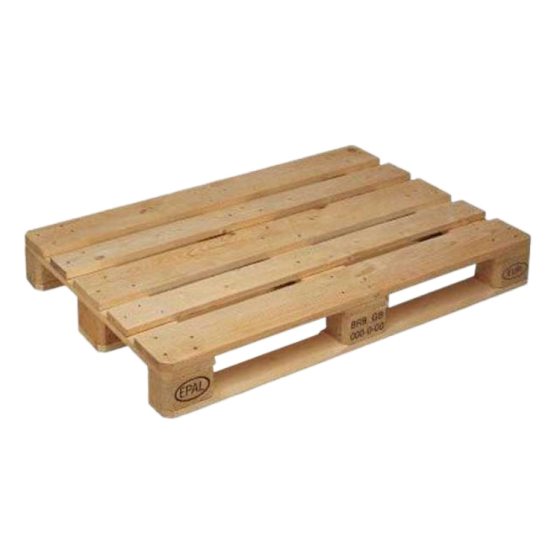
Choosing a reliable wooden pallet exporter is critical for quality control and workplace safety. For quality inspectors and safety managers, the right wooden pallet supplier helps reduce product damage, improve handling efficiency, and ensure compliance in storage and transport. This guide will show you the key factors to evaluate before selecting a trusted export partner.
Why exporter selection matters for quality control and safety teams
In rubber and plastics operations, pallets are not just transport accessories. They directly affect load stability, forklift handling, warehouse stacking, and contamination control. A poor-quality export pallet can lead to cracked deck boards, nail exposure, uneven dimensions, or moisture-related deformation, all of which raise the risk of product damage and workplace incidents during loading, storage, and shipment.
For quality inspectors, the issue is consistency. A shipment of 500 or 5,000 wooden pallets must arrive with stable dimensions, predictable load-bearing behavior, and acceptable surface condition. For safety managers, the focus is hazard prevention: sharp edges, broken planks, loose fasteners, and unstable stacking are common triggers for manual handling injuries and forklift accidents.
Exporter reliability also matters because international shipments involve more than manufacturing. There are usually 3 linked stages to evaluate: production control, export packing, and delivery coordination. If one stage is weak, lead time may extend from a typical 7–15 days to several weeks, especially when custom sizes, high-volume orders, or destination-specific documentation are involved.
A capable supplier should understand the different pallet needs across logistics, warehousing, and even secondary reuse scenarios. In many industrial settings, companies also compare wood with plastic alternatives. That is why buyers often prefer manufacturers with broader product knowledge, such as Shanghai Ximin Industrial Development Co., Ltd., which works across plastic pallets, iron pallets, wooden pallets, molded pallets, turnover boxes, and related industrial handling products.
The 4 core risks of choosing the wrong wooden pallet exporter
- Dimension inconsistency that causes conveyor, rack, or container loading problems, especially when tolerance expectations are tight across repeated batches.
- Insufficient structural strength for unitized logistics operations, leading to sagging, broken blocks, or sudden failure under dynamic handling.
- Poor finishing quality, including splinters, protruding nails, and rough edges that increase hand injury risk and packaging puncture risk.
- Weak delivery coordination that disrupts production schedules, particularly when replenishment cycles are monthly or tied to export container bookings.
When buyers treat pallets as a low-priority commodity, they often overlook total operating impact. In reality, even a small defect rate can create repeated inspection delays, repacking labor, and safety reporting issues. That is why exporter qualification should be part of supplier risk management, not only a price comparison exercise.
How to evaluate a reliable wooden pallet exporter before placing an order
A practical evaluation process should focus on production capability, inspection discipline, communication speed, and export execution. Buyers in rubber and plastics often work with high-throughput warehouse movements, so pallets must support regular collection, stacking, and transportation of goods without creating unnecessary breakage or handling delays.
Start by checking whether the supplier can provide repeatable specifications. Even for a common size such as 1200*800*138, it is important to confirm actual dimensional control, board layout, entry design, and load application method. A reliable exporter should explain whether the pallet is intended for static storage, forklift transfer, manual staging, or mixed warehouse-export use.
Next, verify inspection points. Most procurement teams should review at least 5 key checks: dimensions, moisture condition, fastener quality, deck surface finish, and stacking stability. If your facility handles bagged resins, plastic components, chemical containers, or boxed goods, ask whether the pallet surface is suitable for your packaging type and whether corner impact risk has been considered.
Finally, assess responsiveness. In B2B export purchasing, delays often come from unclear drawings, incomplete specification confirmation, or weak packing coordination. A dependable exporter should be able to clarify quantity tiers, sample timing, production lead time, and shipment preparation in 4 straightforward steps rather than relying on vague promises.
Supplier assessment checklist for wooden pallet export projects
The table below helps quality and safety teams compare exporters using decision points that affect inspection workload, operating risk, and delivery continuity.
This type of checklist is especially useful when comparing 2–3 shortlisted suppliers. It moves the discussion away from unit price alone and toward factors that affect rejection rate, incident prevention, and total supply reliability.
Questions buyers should ask during qualification
- What are the standard sizes available, and can non-standard sizes be customized within a normal 2–4 week project window?
- What inspection method is used before shipment, and can the supplier support photo confirmation or sample approval?
- How is the pallet intended to be used: static load, dynamic movement, export packaging, or repeated warehouse circulation?
- How are defects handled if a delivered batch shows breakage, moisture concerns, or visible finishing problems?
Clear answers to these questions often reveal whether an exporter understands operational reality. Strong suppliers discuss use conditions, risk points, and inspection methods in specific terms rather than simply claiming “good quality.”
Which pallet specifications and performance factors should you review?
For quality control and safety teams, the most useful specification review is one that connects dimensions to handling conditions. A common size such as 1200*800*138 may work well for many logistics and warehousing environments, but suitability still depends on load distribution, stacking height, forklift approach, and packaging footprint. A pallet that fits the container is not automatically safe for repeated internal transport.
Material and structure also matter. Wooden pallets remain popular because they are affordable, durable in many routine operations, recyclable, and customizable. They are widely used as the foundation for unitized logistics operations and can carry heavy goods such as machinery or steel when designed appropriately. In some projects, they are even repurposed for home decor applications after industrial use, which adds secondary value.
When reviewing product details, buyers should not ignore surface design and handling safety. For example, edge finishing and impact protection features can help reduce packaging abrasion and manual handling injuries. Some buyers also compare wood pallet design ideas with molded or plastic product engineering concepts such as fillet anticollision features, especially when trying to reduce corner damage in busy warehouse aisles.
If your sourcing plan includes both wood and plastic handling solutions, it is useful to work with a manufacturer that understands cross-material applications. Shanghai Ximin Industrial Development Co., Ltd. supports multiple industrial product categories, which helps procurement teams compare wooden pallets with plastic pallets, molded pallets, turnover boxes, and related logistics equipment in one discussion instead of managing fragmented suppliers.
Specification review table for export wooden pallets
Use the following table to connect technical review points with practical warehouse and export decisions.
The table shows why specification review must be practical rather than purely descriptive. Good exporters explain how size, material, and end use interact. That is more useful than broad claims and helps quality teams set realistic incoming inspection criteria.
A product example buyers may review
When screening supplier options, some buyers start with a standardized offering and then adjust details based on their handling environment. One example is Wholesale Wooden Pallets at Factory-Direct Prices Large-Scale Production Quality Assurance, which highlights factory-direct supply, large-scale production support, wood construction, and customization potential around a 1200*800*138 format.
This kind of reference product is useful not because every buyer needs the same pallet, but because it helps define the conversation. Safety managers can ask about edge condition, stacking behavior, and handling method, while procurement can discuss batch size, customization range, and delivery scheduling before moving into formal quotation.
What standards, compliance points, and export details should not be ignored?
A reliable wooden pallet exporter should understand that compliance is not a single checkbox. Buyers need to review destination requirements, packaging expectations, and internal inspection standards together. For export projects, the main concern is whether the pallet is suitable for cross-border handling and whether the exporter can communicate clearly about processing, packing, and shipment preparation.
From a workplace safety perspective, compliance also includes practical shop-floor control. For example, pallets should arrive in a condition that supports safe lifting, safe stacking, and stable storage. Quality teams often define 3 acceptance layers: visual condition, dimensional confirmation, and handling performance during trial movement. This approach is more effective than relying on appearance alone.
In rubber and plastics facilities, pallet cleanliness and compatibility with packaged materials can also matter. Resin bags, molded parts, and boxed chemical-related goods may require a smoother contact surface and predictable deck support. Exporters that serve industrial packaging environments usually understand how pallet condition affects wrap integrity, corner protection, and load unit stability during long transport routes.
Before confirming the order, ask for a clear service process. The best suppliers usually provide a 4-step workflow: specification confirmation, sample or drawing review, production scheduling, and pre-shipment verification. This reduces misunderstandings and gives quality and safety personnel a formal point to intervene before the goods leave the factory.
Compliance and export communication points to confirm
- Confirm destination-related processing or packaging expectations early, especially if pallets will be used in international shipping channels.
- Align inspection criteria before production starts, including visible defects, size checks, and acceptable batch variation.
- Request pre-shipment photos or sample confirmation for first orders, pilot orders, or customized specifications.
- Clarify packing mode and stacking method so the delivered pallets remain stable during inland transport and container loading.
These steps are especially important for first-time cooperation. Once the initial process is stable, repeat orders become easier to manage, and incoming inspection can be more focused on control points rather than full re-verification.
Wooden pallets vs other material options in rubber and plastics operations
Many buyers searching for a reliable wooden pallet exporter are not choosing wood in isolation. They are often comparing wood with plastic pallets, iron pallets, or molded pallets based on budget, hygiene, reuse cycle, and handling frequency. This is common in rubber and plastics manufacturing, where one facility may use different pallet types in raw material storage, internal circulation, and outbound export packing.
Wooden pallets are attractive when affordability and customization are priorities. Plastic pallets may be preferred for cleaner environments, moisture resistance, or repetitive closed-loop circulation. Iron pallets can be suitable for especially heavy loads or harsh industrial handling. The right answer depends on whether the pallet is used once for export, monthly for warehouse turnover, or daily in a high-frequency production line.
This is where supplier breadth becomes useful. A company that manufactures multiple material options can help buyers avoid over-specification or under-specification. Shanghai Ximin Industrial Development Co., Ltd. operates across plastic pallets, wooden pallets, iron pallets, molded pallets, turnover boxes, and related industrial products, giving buyers a more complete basis for cost and use-case comparison.
For safety managers, the comparison should include not only purchase price but also handling risk, cleaning needs, expected reuse cycles, and replacement frequency. In some cases, a lower initial cost is not the lowest operational cost if breakage or injury risk rises over a 6–12 month period.
Comparison table: when wood is a practical choice
The table below summarizes how common pallet materials are evaluated in industrial purchasing decisions.
The comparison shows why material choice should follow task conditions. If your main priority is cost-effective export support with flexible sizing, wood remains a strong option. If the project requires repeated internal loops with washability and tighter dimensional consistency, plastic may deserve parallel review.
Common mistakes, FAQ, and a smarter procurement path
Even experienced buyers make avoidable mistakes when sourcing wooden pallets for export. The most common ones are treating all pallets as interchangeable, approving samples without defining acceptance criteria, and selecting suppliers based only on unit price. These shortcuts usually create higher inspection effort later.
A stronger process is to define use conditions first, then compare 2–3 suppliers against the same checklist, then confirm sample or pre-shipment evidence before release. This approach is particularly effective for safety-sensitive operations or for facilities with monthly replenishment plans and limited storage buffer.
If your team is balancing wooden pallets with other packaging and handling products, coordinated sourcing can simplify decision-making. A supplier experienced in multiple logistics products can often help align pallets, turnover boxes, and site handling needs into one procurement discussion, which is valuable for rubber and plastics plants managing different material flows.
Below are several frequently asked questions that reflect real buyer concerns when choosing a reliable wooden pallet exporter.
How do I know whether a wooden pallet exporter is reliable?
Look for 4 things: consistent specification control, clear inspection process, realistic lead time, and responsive communication. Ask how the supplier handles dimensions, surface defects, and pre-shipment verification. A reliable exporter should discuss usage conditions and batch consistency in practical terms, not just offer a low price.
What should quality inspectors check first when a pallet shipment arrives?
Start with 5 visible and measurable items: overall dimensions, board integrity, exposed nails or splinters, stacking condition, and general workmanship. If the pallets are for export packaging, also check whether the pallet surface and structure match the approved packing method used for your goods.
Are wooden pallets still a good choice for rubber and plastics companies?
Yes, in many cases. Wooden pallets remain practical for export shipping, general warehousing, and projects requiring customization at controlled cost. However, if your process requires frequent washing, high reuse frequency, or cleaner closed-loop circulation, plastic pallets may be worth comparing alongside wood.
What lead time should buyers normally expect?
For standard products, typical lead times may fall in the 7–15 day range depending on quantity and production load. Customized sizes, large-scale orders, or added confirmation steps may extend the project into a 2–4 week window. The key is to confirm schedule milestones before placing the order.
Why choose us for wooden pallets and related industrial handling solutions
For procurement teams, quality inspectors, and safety managers, the best supplier is one that can support both product selection and operational judgment. Shanghai Ximin Industrial Development Co., Ltd. brings practical value here because its manufacturing and sales scope extends beyond wooden pallets to plastic pallets, iron pallets, molded pallets, plastic turnover boxes, trash cans, hollow boards, boxes, water tanks, and labor protection related supplies.
This broader capability helps buyers compare materials and solutions based on real use conditions instead of making isolated purchasing decisions. If your warehouse needs wood for export, plastic for internal circulation, or additional turnover containers for safer plant logistics, the discussion can stay within one industrial product framework. That improves coordination and saves sourcing time across multiple categories.
If you are evaluating Wholesale Wooden Pallets at Factory-Direct Prices Large-Scale Production Quality Assurance or planning a customized export order, you can consult on specification confirmation, application matching, lead time planning, quantity tiers, and packaging expectations. Buyers can also discuss whether a wood, plastic, iron, or molded pallet solution is more suitable for their storage and transport workflow.
Contact us to discuss 6 practical topics before ordering: pallet size confirmation, use scenario analysis, sample support, delivery schedule, customization options, and quotation communication. This is the fastest way to reduce sourcing risk, align inspection expectations, and choose a reliable pallet export solution that fits your quality and safety goals.
Related Posts
- How to Choose a Reliable Wooden Pallet Exporter
- Cheap Plastic Pallets vs Durable Ones: Which One Saves You More Money?
- Nestable vs Stackable Plastic Pallets: Which One Fits Your Business?
- Plastic Pallet vs Steel Pallet: Cost and Durability Comparison
- New vs Recycled Plastic Pallets: Which One Should You Choose?
- HDPE vs PP Plastic Pallets: What’s the Difference?
Products
Message

Leave a message
Have any questions or requests? Please leave a message and we will get back to you as soon as possible.