


Choosing between new vs recycled plastic pallets is a critical decision for logistics efficiency, cost control, and sustainability—especially for businesses sourcing from a professional plastic pallet manufacturer like Shanghai Ximin Industrial Development Co., Ltd. As a leading supplier of plastic pallets, turnover boxes, and industrial plastic solutions, we help you weigh durability, load capacity, regulatory compliance, and environmental impact. Whether you prioritize virgin-material consistency or eco-conscious cost savings with recycled plastic pallets, the right choice depends on your operational demands. Let’s break down the key trade-offs to ensure your supply chain stays strong, smart, and sustainable.
How Material Origin Impacts Performance & Compliance
Virgin HDPE or PP resins deliver predictable mechanical properties—tensile strength, impact resistance, and dimensional stability—critical in regulated environments such as cold chain logistics and chemical storage. Recycled plastic pallets, while cost-effective, often exhibit batch-to-batch variability due to mixed feedstock origins (e.g., post-industrial scrap vs. post-consumer waste), affecting flexural modulus by up to ±18% and long-term creep resistance under static loads exceeding 1,500 kg.
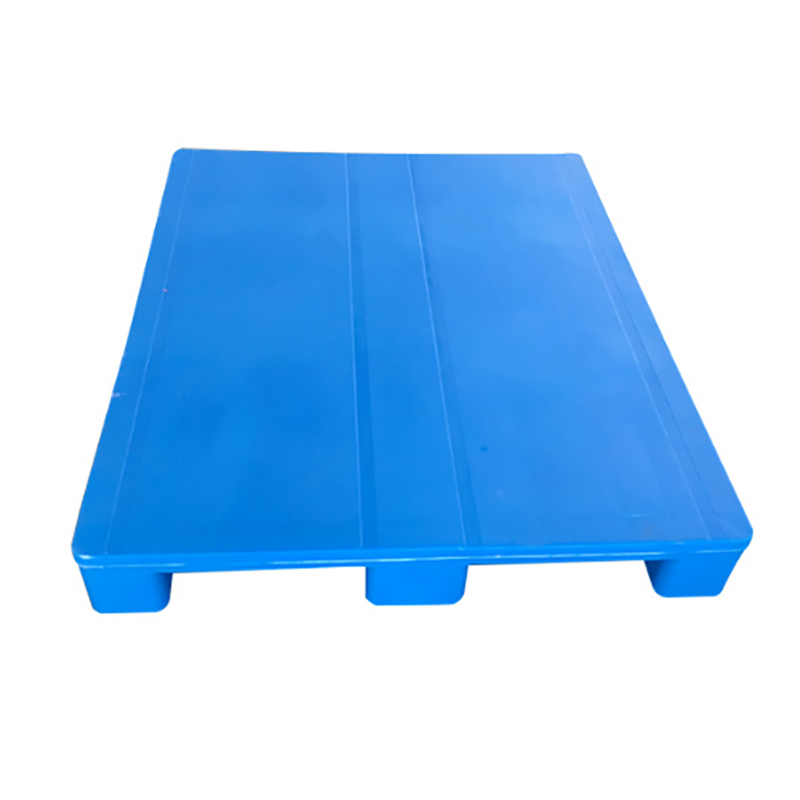
For applications requiring FDA-compliant food-grade contact or ISO 9001-certified traceability, virgin material remains the industry standard. Shanghai Ximin’s 1200x1200MM Industrial Shelf Plastic Pallet uses 100% virgin HDPE/PP, ensuring consistent performance across 3–5 years of continuous use—even at temperatures ranging from –25°C to +60°C.
Recycled content also influences regulatory acceptance. In EU markets, REACH Annex XIV restrictions apply to certain legacy additives found in older plastic streams. Virgin formulations allow full control over stabilizers, UV inhibitors, and anti-static agents—essential for pharmaceutical or electronics handling where electrostatic discharge (ESD) must remain below 10⁹ Ω surface resistivity.
Key Technical Differences at a Glance
This variance directly affects pallet stacking integrity in high-humidity warehouses and shelf life in chilled distribution centers. The 1200x1200MM Industrial Shelf Plastic Pallet maintains stable cargo support and 4-way entry functionality even after 2,000+ cycles of automated AS/RS handling—validated through ISTA 3A testing protocols.
Which Scenarios Favor New vs Recycled Pallets?
Your operational context dictates the optimal choice. New plastic pallets excel where precision, longevity, and compliance are non-negotiable:
- Cold chain logistics requiring repeated freeze-thaw cycling and condensation resistance
- Chemical storage facilities needing inert surfaces resistant to acids, solvents, and caustics
- Pharmaceutical manufacturing zones with strict hygiene validation (e.g., ATP swab tests)
- Automated warehouse systems relying on consistent weight and dimensional repeatability
Recycled options may suit short-cycle internal distribution—such as intra-factory transport or retail backroom replenishment—where pallets undergo fewer than 300 handling cycles and replacement occurs every 6–12 months. However, they’re rarely recommended for export-standard ISPM-15 fumigation-free applications, as recycled content can retain organic residues that trigger phytosanitary inspections.
Shanghai Ximin supports hybrid strategies: using virgin-material pallets for outbound logistics and recycled variants for closed-loop internal reuse—enabling 22–35% total cost reduction without compromising core supply chain reliability.
Procurement Checklist: 5 Critical Evaluation Points
Before finalizing your order, verify these criteria with any supplier:
- Material certification: Request resin lot traceability reports (e.g., ASTM D4000 classification codes) and RoHS/REACH declarations—not just “recycled content %” claims.
- Structural validation: Confirm third-party test data for dynamic load (e.g., EN 13698-1), not just static ratings.
- Surface finish consistency: Inspect for weld lines, sink marks, or color variation—indicators of inconsistent melt flow in recycled batches.
- Maintenance lifecycle cost: Factor in cleaning frequency (recycled pallets require 2–3× more detergent use due to porosity) and replacement intervals.
- End-of-life pathway: Ask whether the supplier offers take-back programs or certified recycling partners—ensuring circularity beyond initial purchase.
Our 1200x1200MM Industrial Shelf Plastic Pallet meets all five points: it carries ISO 9001 production records, passes EN 13698-1 drop tests from 1.2m height, features uniform matte-textured surfaces for grip consistency, and includes optional RFID embedment for full-lifecycle tracking.
Why Partner With Shanghai Ximin for Your Pallet Strategy?
As a vertically integrated plastic pallet manufacturer, we control raw material sourcing, injection molding, quality assurance, and logistics coordination—eliminating middlemen markup while guaranteeing delivery within 12–18 working days for standard configurations. Our facility produces over 30,000 units monthly across 12 mold sets, supporting rapid customization for Euro Pallet, 4Way, and Double Faced variants.
We don’t sell generic pallets—we engineer solutions. For example, our 1200x1200MM Industrial Shelf Plastic Pallet integrates reinforced leg geometry for shelf stacking stability and optimized rib density to reduce weight to 12.5kg without sacrificing rigidity—delivering 17% lower freight costs per pallet versus comparable models.
Contact us today to discuss your specific requirements—including load profile analysis, warehouse layout compatibility review, regulatory documentation needs (FDA, CE, GS), or sample evaluation. We provide free technical consultation and customized quotation within 24 hours of inquiry submission.
Related Posts
- 2026 Industrial Crate Demand and Margin Outlook
- How Plastic Box Ventilation Changes Product Protection
- How to Judge Load Safety in a Heavy Duty Large Pallet
- What Affects Heavy Duty Large Pallet Service Life Most
- Nestable Large Pallet Handling Tips for Daily Warehouse Use
- Nestable Large Pallet Cost Benefits Beyond Floor Space
Products
Message

Leave a message
Have any questions or requests? Please leave a message and we will get back to you as soon as possible.