


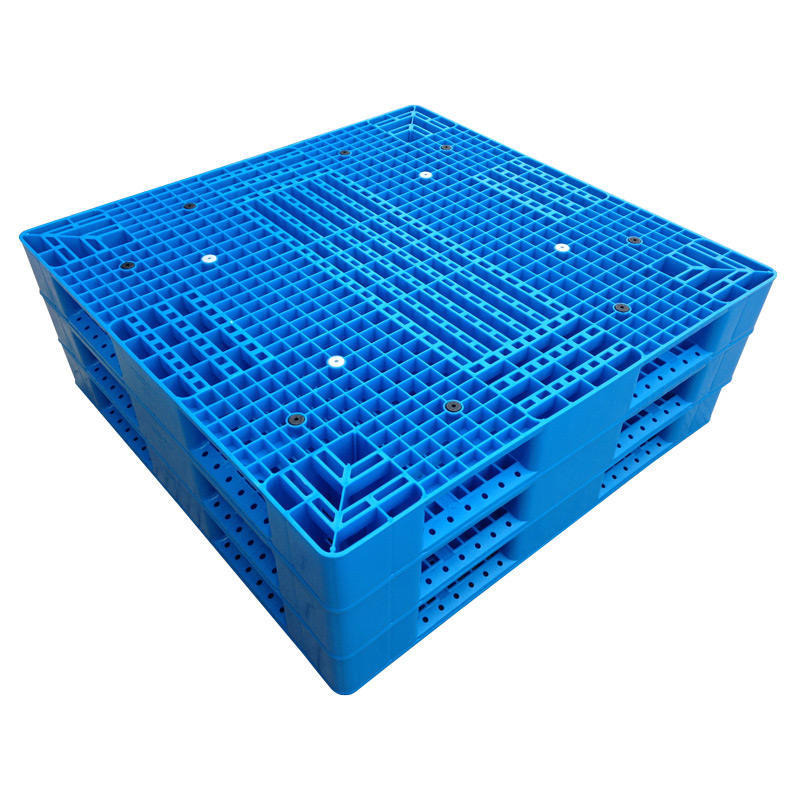
Cold storage can significantly change how a plastic large pallet performs. In low-temperature warehouses and cold chain operations, pallets are exposed to conditions that can reduce impact resistance, affect stiffness, and increase the risk of cracking under sudden handling loads. For technical evaluators and procurement teams, the key question is not simply whether a pallet “works” in normal storage, but whether it remains stable, safe, and cost-effective when temperatures drop.
In practice, cold storage performance depends on more than material labels alone. Resin choice, structural design, load type, stacking method, forklift handling frequency, and moisture exposure all influence service life. A pallet that performs well at room temperature may behave very differently in chilled or frozen environments, especially when impact events occur during fast warehouse operations.
This article focuses on the real decision points behind cold storage pallet selection: what changes at low temperatures, what failure risks matter most, and how buyers can evaluate options more accurately before purchase.
What Actually Changes When Plastic Pallets Enter Cold Storage?
The most important change is that plastic generally becomes less impact-tolerant as temperature falls. This does not automatically mean every pallet will fail in the cold, but it does mean the margin for rough handling becomes smaller. A pallet that absorbs bumps and fork entry impacts in ambient conditions may become more brittle in freezer environments.
Low temperatures can also alter stiffness. In some cases, added stiffness helps reduce deflection under static loads. However, higher rigidity may come with lower toughness, which is a concern when pallets are dropped, hit by forklift tines, or loaded unevenly. For technical teams, this trade-off is often more important than headline load ratings.
Moisture is another factor. In cold rooms and cold chain circulation, condensation, frost, and wet floors are common. Plastic pallets usually offer an advantage here over wood because they do not absorb water, swell, or promote mold growth. That said, moisture-resistant construction must still be paired with a surface and design that support safe handling and stable load contact.
Which Performance Risks Matter Most to Evaluators and Buyers?
For technical evaluators, the first concern is structural integrity during repeated handling. In cold storage, the highest risks often appear at stress concentration points: fork entry areas, deck supports, corners, and ribs. If these zones are not designed well, cracking may develop faster under repeated impact or dynamic loading.
For procurement teams, replacement frequency and operational disruption are just as important as the initial unit price. A low-cost pallet that breaks more often in freezer conditions can create hidden costs through damaged goods, handling delays, safety incidents, and more frequent replenishment orders. Total cost of ownership is usually the better metric.
Load stability is another practical issue. Cold chain products may be wrapped, boxed, or stored in moisture-prone packaging. If the pallet deck design does not support consistent contact or the pallet flexes too much under load, stacking quality can decline. That can affect racking safety, product presentation, and transport efficiency.
How to Evaluate a Plastic Large Pallet for Cold Chain Use
Start with material selection. HDPE is commonly preferred for many cold storage applications because it typically offers better low-temperature toughness than some alternatives, although actual performance depends on formulation and manufacturing quality. PP may also be used, but buyers should verify suitability against the real operating temperature range and impact conditions.
Next, review structure, not just dimensions. A reversible, double-sided pallet can be valuable in cold chain and chemical logistics where durability, hygiene, and flexible use matter. For example, 4-way perforated grid reversible double sided reversible custom plastic pallets are designed for 4-way entry, reversible use, and moisture resistance, all of which can support handling efficiency in demanding warehouse environments.
Then verify testing logic. Ask whether the pallet has been evaluated under cold-condition dynamic loads, not only room-temperature static loads. Technical teams should check behavior during forklift entry, loaded movement, stacking, and accidental impact. Procurement should also ask whether the supplier can support OEM or ODM adaptation if a special deck, size, or reinforcement requirement exists.
What Design Features Often Deliver Better Cold Storage Results?
Moisture resistance is a clear advantage in refrigerated spaces. A pallet made from HDPE or PP with a design optimized for wet environments can help maintain cleanliness and reduce maintenance compared with absorbent materials. This is especially relevant where hygiene, frequent washdown, or export handling standards are involved.
Four-way entry improves maneuverability in high-throughput cold warehouses, where quick forklift access reduces handling time and minimizes unnecessary impacts. Reversible and double-sided designs can also extend service flexibility, particularly in operations that require repeated turnover or mixed storage methods.
One example is the model 1210SW-B, with a listed weight of 20.5 kg and application suitability for cold chain and chemical logistics. In these settings, buyers often value not only moisture-proof performance but also low maintenance costs, manufacturing consistency, and the ability of the supplier to translate technical drawings or design concepts into finished products when custom requirements arise.
How Procurement Teams Can Make a Better Buying Decision
The best buying decision usually comes from matching pallet design to the actual environment, not from choosing the lowest quote or the highest stated load capacity. Buyers should define the temperature range, whether goods are rack stored or floor stacked, the average handling frequency, and the most common causes of damage in the current operation.
It is also wise to compare supplier capability, not only product specification. A manufacturer with its own production facilities, experience serving international brands, and active development in new materials and new technology may be better positioned to deliver consistent quality and respond quickly when performance adjustments are needed.
Finally, request a trial when possible. Real-world testing in cold rooms can reveal issues that specification sheets do not fully capture. If a pallet maintains load stability, resists impact-related damage, and reduces maintenance events over time, it is likely to provide better long-term value than a cheaper but less durable alternative.
In summary, cold storage changes plastic large pallet performance by narrowing the safety margin against impact, shifting stiffness behavior, and making design quality more important. For technical evaluators and procurement professionals, the right approach is to assess material, structure, moisture resistance, handling conditions, and supplier capability together. When these factors align, plastic pallets can deliver reliable cold chain performance, lower lifecycle cost, and safer warehouse operations.
Related Posts
- Cold Storage Can Change Plastic Large Pallet Performance
- How a Wooden Pallet Exporter Handles Compliance
- When to Replace a Damaged Wooden Pallet
- Wooden Pallet Cost: What Affects the Price
- How to Choose a Reliable Wooden Pallet Exporter
- Cheap Plastic Pallets vs Durable Ones: Which One Saves You More Money?
Products
Message

Leave a message
Have any questions or requests? Please leave a message and we will get back to you as soon as possible.