


NEWS
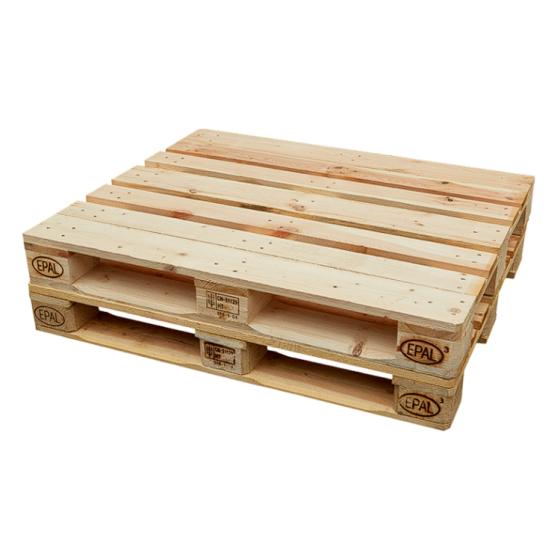
Knowing when to replace a damaged wooden pallet is critical for quality control and workplace safety. For QA teams and safety managers, identifying cracks, loose boards, exposed nails, or load instability early can prevent product loss and handling accidents. As a reliable wooden pallet exporter and supplier of multiple pallet solutions, Shanghai Ximin helps businesses choose the right wooden pallet strategy for safer, more efficient operations.
How do you know a damaged wooden pallet has reached replacement point?
In daily warehouse and factory operations, not every damaged wooden pallet needs to be discarded immediately. Quality control personnel usually separate defects into 3 levels: minor cosmetic wear, repairable structural damage, and non-repairable safety hazards. The replacement point begins when the pallet can no longer hold goods stably, creates handling risk, or fails hygiene expectations for the application environment.
For safety managers, the practical question is simple: can this pallet complete another handling cycle without increasing risk? If the answer is uncertain, the pallet should be isolated for inspection. In rubber and plastics operations, where finished goods, resins, additives, molds, and packaging materials often move through storage and internal transport several times per week, repeated impacts accelerate pallet deterioration.
A wooden pallet should usually be replaced when visible damage affects load-bearing surfaces, fork entry, or stacking balance. Common warning signs include deck board cracks longer than several centimeters, broken bottom runners, missing blocks, loose fasteners, and nail heads protruding above the surface. These defects may look local, but they often lead to uneven stress distribution across the entire pallet.
Another key threshold is contamination. If the pallet has absorbed oils, chemicals, or persistent moisture and cannot be cleaned effectively, replacement is often safer than reuse. This matters in chemical storage and polymer raw material handling, where residue transfer can affect both product quality and workplace compliance expectations.
Five immediate replacement triggers
- A top or bottom board is split through its full width, reducing support contact for bags, cartons, or drums.
- Exposed nails, staples, or sharp wood fibers create puncture risk for packaging and injury risk during manual touchpoints.
- Forklift entry points are crushed or deformed, making 4-way or 2-way handling unstable during lifting and turning.
- The pallet rocks on a flat floor, showing loss of structural balance after repeated loading cycles.
- The pallet has signs of mold, saturation, or odor retention after storage in humid or cold environments for extended periods.
When one or more of these conditions appear, replacement should be prioritized within the same shift or before the next loading cycle. Waiting 1–2 more weeks to “use it up” may seem cost-conscious, but in practice it can increase claims, repacking labor, and incident exposure.
What should QA and safety teams inspect during routine pallet checks?
A good pallet inspection routine should be fast enough for operations and detailed enough for risk control. Many facilities adopt a 4-step check at goods receipt, before put-away, before outbound shipment, and during monthly storage audits. This is especially useful in plastic product manufacturing and chemical warehousing, where pallet reliability affects stack integrity, traceability, and housekeeping standards.
The first check is structural integrity. Inspect top deck boards, bottom boards, runners or blocks, and all joining points. If one damaged area causes visible twisting or sagging, the pallet may fail under dynamic load even if static load still appears acceptable. A common mistake is judging pallets only by appearance when the real issue is hidden stress fatigue.
The second check is surface condition. QA teams should look for splinters, embedded debris, oil stains, moisture spots, and residue from previous loads. In rubber and plastics facilities, these contaminants can transfer to packaging film, woven bags, liners, or molded parts. The result is not only a safety concern but also a product presentation and complaint issue.
The third check is handling compatibility. Pallets should match the forklift, pallet jack, racking, and stacking method used on site. Damage around entry points, edges, or corners often becomes critical during fast movement, not while the pallet is standing still. This is why inspection should consider actual workflow, not storage condition alone.
Practical inspection checklist for a damaged wooden pallet
The table below helps QA and safety managers classify whether a damaged wooden pallet can stay in service, should be repaired, or should be removed from circulation.
Using a checklist like this creates consistency across shifts and sites. It also reduces disputes between warehouse teams and quality departments because replacement decisions are based on repeatable criteria instead of individual judgment.
A simple 4-step internal control method
- Tag suspect pallets at the point of discovery instead of returning them to mixed inventory.
- Record defect type by category: structural, hygiene, or handling-related.
- Decide within one inspection cycle whether to repair, downgrade, or replace.
- Review recurring damage patterns every month to find root causes in handling or storage layout.
This type of routine is practical for facilities managing small batch, medium batch, and high-throughput pallet movement. It supports safer operations without slowing the entire warehouse.
When is replacing wood with plastic pallets the smarter option?
Replacement decisions do not always end with another wooden pallet. In many rubber and plastics operations, recurring wood damage indicates a mismatch between pallet material and actual environment. If your site deals with cold chain logistics, wet floors, frequent washing, or chemical storage, plastic pallets may reduce both safety incidents and maintenance workload over a 3–5 year planning horizon.
Wood remains common because of low initial purchase cost and easy local availability. However, safety managers often find that the total cost of a damaged wooden pallet is not limited to the pallet itself. It includes repacking, product loss, line interruption, waste handling, and operator injury risk. Once these indirect costs are considered, a switch to a more stable platform can become easier to justify.
For operations that need moisture resistance, cleaner surfaces, and more consistent dimensions, plastic pallets are often easier to standardize across departments. Shanghai Ximin supports this transition by supplying plastic pallets, wooden pallets, iron pallets, molded pallets, and turnover packaging products, allowing buyers to compare material options according to real use conditions rather than price alone.
One relevant option for export and demanding warehouse use is the 120*100 durable and strong heavy duty hard reversible export plastic pallet. Its 120x100 format, 4-way handling design, double-faced structure, and HDPE/PP material make it suitable for operations that need stable cargo support and easier cleaning than traditional wood in humid or contamination-sensitive environments.
Wooden pallet vs plastic pallet in quality and safety management
The comparison below focuses on what matters most to QA teams and safety managers: defect risk, cleaning practicality, service life, and fit for demanding logistics scenarios.
This does not mean every damaged wooden pallet should automatically be replaced by plastic. It means material selection should follow the real handling frequency, exposure conditions, and product risk level. Sites with frequent washdown, spill risk, or strict housekeeping standards often benefit most from plastic alternatives.
When a switch is usually worth evaluating
- You replace damaged wooden pallets every month and defect rates remain high.
- Your facility handles moisture-sensitive, contamination-sensitive, or export-bound goods.
- Forklift traffic is heavy and pallet breakage at entry points causes operational delays.
- You need a standard size such as 120x100 with 4-way access for smoother process consistency.
In those cases, comparing initial cost against 12-month replacement frequency and incident risk gives a more useful decision model than unit price alone.
What purchasing criteria matter most when replacing damaged pallets?
Procurement teams often receive replacement requests only after pallets become a problem. For better control, buyers should evaluate pallets using at least 5 dimensions: load pattern, environment, handling method, cleaning requirement, and replacement cycle. This approach aligns purchasing with QA and safety goals instead of treating pallets as a low-priority consumable.
In the rubber and plastics industry, pallet selection affects raw material storage, finished goods stacking, internal transfer, and export shipment. A pallet that works in dry packaging storage may fail in cold chain logistics or chemical storage. That is why a single-site evaluation should include different process zones rather than one average condition.
When evaluating alternatives, technical details matter. For example, a heavy-duty reversible plastic pallet with double-faced support may be better suited for stable cargo support than a lightweight one-sided design in repeated stacking use. Material choice such as HDPE or PP should also be checked against temperature range, impact conditions, and cleaning chemicals commonly used on site.
Shanghai Ximin can support these decisions because its product range covers plastic pallets, iron pallets, wooden pallets, molded pallets, plastic turnover boxes, baskets, trash cans, tanks, hollow boards, and labor protection supplies. For buyers, this matters because the recommendation can be based on application fit, not on pushing a single material option.
A practical selection table for replacement planning
Use the following table when deciding whether to continue with wood, move to plastic, or mix both solutions by area.
This framework works well for annual budgeting, supplier comparison, and cross-functional approval. It helps purchasing teams explain why a higher unit cost can still reduce total operating cost over time.
Questions buyers should ask before placing an order
- What is the pallet’s intended use: one-way export, closed-loop internal use, or mixed circulation?
- How many handling cycles per week will it experience in real operations?
- Does the site require easy cleaning, moisture resistance, or compatibility with chemical storage areas?
- Is the required configuration Euro pallet style, 4-way access, or double-faced support?
- What delivery lead time, sample validation, and quantity scale are needed for rollout?
Asking these questions before procurement reduces the chance of replacing one pallet problem with another.
Common mistakes, compliance considerations, and FAQ
Many facilities delay replacement because damaged pallets still appear usable for light loads. This is one of the most common safety mistakes. A pallet does not need to collapse to create a reportable issue. Packaging puncture, unstable stacking, and forklift misalignment are enough to cause losses, especially during outbound loading or line-side supply movement.
Another mistake is using the same acceptance rule for every area. A pallet suitable for secondary packaging storage may not be acceptable for cleaner zones, export preparation, or chemical storage. Replacement criteria should therefore reflect at least 2–3 operational categories, not one generic standard for the whole plant.
From a compliance perspective, companies should align pallet condition checks with internal housekeeping rules, material handling procedures, and any customer-specific packaging requirements. Where wood is used for export or specific logistics channels, teams should also verify whether additional treatment or documentation requirements apply under the destination market’s normal trade rules.
If your operation repeatedly faces moisture exposure, hygiene concerns, or high defect rates, it may be time to test a mixed pallet strategy. For example, use wood for lower-risk one-way movement and reserve plastic pallets for high-frequency internal circulation, cold chain logistics, or chemical storage workflows.
FAQ: answers QA and safety teams often need
How often should wooden pallets be inspected?
For active sites, inspection at 4 points is practical: receipt, pre-use, outbound, and a scheduled monthly audit. In high-turnover operations, visual checks can also be built into each shift handover. The right frequency depends on handling intensity, not only on pallet age.
Can a cracked wooden pallet be repaired instead of replaced?
Sometimes yes, but only when damage is limited and the repaired pallet can safely return to its intended duty. If cracks affect the main load path, fork entry, or base balance, replacement is usually the safer choice. Repaired pallets should not be sent back into demanding applications without clear internal approval.
Which environments are better suited to plastic pallets?
Plastic pallets are often preferred in humid warehouses, cold chain logistics, chemical storage, and areas requiring repeated cleaning. A model such as 1411 grid Chuanzi in HDPE/PP with a 21kg weight and reversible double-faced structure can be relevant when stable cargo support, moisture resistance, and low routine maintenance are priorities.
What delivery and supplier support points should procurement confirm?
Buyers should ask about sample support, specification confirmation, quantity-based lead time, OEM or ODM options if needed, and response speed for technical questions. For B2B projects, even a 24-hour reply window can make a difference when a site is trying to replace unsafe pallets quickly and avoid shipment delays.
Why work with Shanghai Ximin for pallet replacement planning?
Replacing a damaged wooden pallet is not only a maintenance decision. It is also a quality, safety, and procurement decision. Shanghai Ximin supports buyers who need practical guidance across multiple pallet materials and related storage products, rather than a one-size-fits-all recommendation. This is useful when different departments have different risk priorities.
Because the company supplies plastic pallets, iron pallets, wooden pallets, molded pallets, plastic turnover boxes and baskets, trash cans, water tanks, hollow boards, and labor protection supplies, customers can evaluate packaging and handling systems more holistically. That makes it easier to standardize pallet use by scenario, whether the focus is export, internal transfer, cleaner handling, or cost control.
If you are reviewing recurring wooden pallet damage, you can consult on 6 practical topics: pallet size confirmation, material selection, service life expectations, cleaning requirements, delivery timing, and sample testing. If your operation is considering a move from damaged wood to plastic, you can also compare options such as Euro pallet formats, 4-way entry, double-faced structures, and moisture-resistant designs.
Contact Shanghai Ximin to discuss your application conditions, replacement frequency, product load type, and budget range. You can request support for model selection, sample evaluation, delivery planning, OEM or ODM discussion, and quotation communication, so your next pallet purchase reduces both handling risk and long-term replacement pressure.
Related Posts
- Cold Storage Can Change Plastic Large Pallet Performance
- How a Wooden Pallet Exporter Handles Compliance
- When to Replace a Damaged Wooden Pallet
- Wooden Pallet Cost: What Affects the Price
- How to Choose a Reliable Wooden Pallet Exporter
- Cheap Plastic Pallets vs Durable Ones: Which One Saves You More Money?
Products
Message

Leave a message
Have any questions or requests? Please leave a message and we will get back to you as soon as possible.