


NEWS
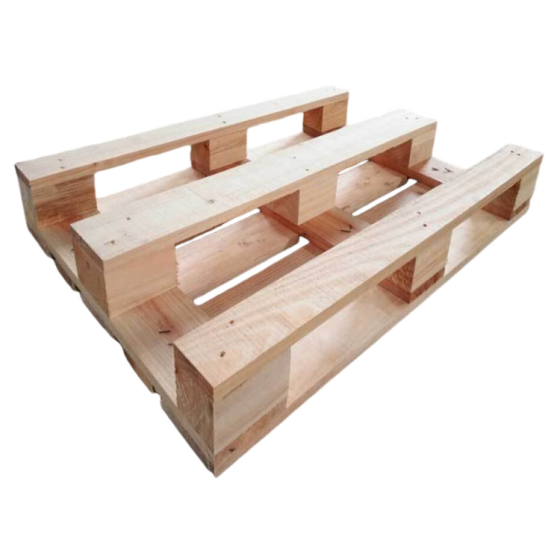
For quality control and safety managers, understanding wooden pallet cost means looking beyond the upfront price. Factors such as material grade, load capacity, treatment standards, design specifications, and supply stability all influence total value. As a reliable wooden pallet exporter, Shanghai Ximin helps businesses compare each wooden pallet option with a focus on compliance, durability, and safer handling performance.
In rubber and plastics operations, pallet selection affects more than transport efficiency. It influences contamination control, worker safety, stack stability, warehouse utilization, export readiness, and damage rates across repeated handling cycles. A low initial price may become costly if the pallet fails under dynamic load, absorbs moisture, or creates splinters and nail hazards in production and storage zones.
For B2B buyers responsible for quality assurance, EHS management, or procurement support, the key question is not simply “How much does a wooden pallet cost?” but “What cost drivers matter for my handling environment, compliance obligations, and product protection standards?” The answer depends on wood type, pallet construction, treatment method, order volume, dimensions, and expected service life.
Shanghai Ximin Industrial Development Co., Ltd. supplies plastic pallets, iron pallets, wooden pallets, molded pallets, turnover boxes, waste containers, water tanks, anti-static products, hollow boards, and related industrial supplies. That broad product background is important because it allows buyers to compare wooden pallets against alternative materials and choose based on actual risk and cost conditions rather than habit alone.
Key Cost Drivers Behind Wooden Pallet Pricing
Wooden pallet cost is usually shaped by 5 primary variables: raw material grade, pallet structure, treatment requirement, order quantity, and logistics distance. In many industrial supply chains, material alone can account for 35%–55% of the total unit cost, especially when higher-density hardwood or export-grade timber is required. For quality and safety teams, these variables should be reviewed together rather than in isolation.
The first factor is wood quality. Lower-cost softwood may be acceptable for light warehouse circulation, but heavier-duty logistics often require stronger boards, better nail retention, and tighter moisture control. If your plant handles bagged resin, drums, molded components, or loaded cartons exceeding 800–1500 kg, board thickness and stringer quality become direct cost determinants because they affect breakage rates and forklift safety.
The second factor is design complexity. A standard 2-way or 4-way entry pallet with common dimensions is usually cheaper than a custom pallet with reinforced corners, anti-collision edges, export markings, or unusual deck spacing. Even small specification changes, such as moving from a basic platform design to a block-style structure, can increase manufacturing cost by 8%–20% depending on timber usage and labor steps.
The third factor is treatment and compliance. Heat treatment for export, fumigation where required by destination rules, and stricter moisture management all add direct and indirect cost. For safety managers, these treatments are not optional price add-ons; they are risk controls that reduce quarantine issues, mold growth, and storage deterioration. A pallet that does not meet destination handling standards may create losses far beyond the original purchase price.
Supply consistency also matters. If a vendor cannot maintain dimensional tolerance, nail placement consistency, or wood dryness within a usable range, the real cost rises through downtime, restacking labor, and product damage. In busy plastics warehouses moving 200–500 pallets per day, even a 2% failure rate can create repeated operational disruption.
Typical pricing influence by component
The table below shows how common specification decisions influence wooden pallet cost and operational value in warehousing and logistics environments linked to rubber and plastics production.
The main takeaway is that pallet price must be read alongside handling requirement. A cheaper pallet may be suitable for one-way transport, while a stronger and slightly more expensive model can lower loss rates in closed-loop warehouse use. For safety and quality managers, the true benchmark is cost per safe use cycle, not cost per piece.
What buyers should verify before comparing quotations
- Confirm static load, dynamic load, and racking condition separately, because one number is not enough for safety evaluation.
- Check moisture condition and treatment method if pallets will be stored for more than 30 days or used in humid warehouse zones.
- Review dimensional tolerance when automated conveyors, wrappers, or stackers are involved.
- Ask whether pricing includes markings, export preparation, edge finishing, and packaging.
Why Quality and Safety Requirements Change the Real Cost
For quality control personnel, wooden pallet cost should always be linked to product integrity. In rubber and plastics facilities, pallets may carry resin bags, chemical containers, molded components, packaging film, or finished household products. If the pallet surface is rough, contaminated, or structurally weak, the result may be torn packaging, unstable stacking, and unnecessary product handling deviations.
Safety managers view cost through another lens: injury prevention and equipment compatibility. Exposed nails, broken deck boards, uneven entry points, and excessive deflection can contribute to forklift impact, manual handling strain, or dropped loads. A pallet with a lower purchase price but a shorter safe-use period can create more incidents over 6–12 months than a better-built alternative.
Moisture is a frequent but underestimated cost factor. In warehouses with temperature fluctuation or seasonal humidity above 65%, wood can absorb moisture, gain weight, deform, and support mold growth. For plants storing packaging, consumer goods, or export cartons, this can affect cleanliness and customer acceptance. Quality teams often need a tighter moisture control range when pallets are used in semi-clean storage conditions.
Another issue is consistency across batches. A plant may approve a sample pallet, but if later shipments differ in wood density, nail pattern, or board spacing, handling performance changes. This is especially critical where pallet jacks, stretch wrappers, or stack heights of 1.2–1.8 meters are common. Consistency reduces nonconformance risk and helps standardize internal inspection criteria.
Quality and safety checkpoints that affect value
Before approving a wooden pallet supplier, it is useful to score the following control points. These checkpoints often explain why two pallets with similar dimensions are priced differently.
This comparison shows that quality and safety controls are cost filters, not administrative extras. When inspection criteria are clear from the beginning, buyers can avoid hidden expense caused by rework, return handling, and damaged goods.
Common mistakes in pallet cost evaluation
- Comparing quotations without confirming whether treatment, moisture level, and load capacity are based on the same condition.
- Approving samples without batch consistency requirements or receiving inspection steps.
- Using one-way export pallets in internal reuse systems expected to last 10 or more cycles.
- Ignoring the labor cost of sorting, repairing, or disposing of damaged pallets.
How to Select the Right Wooden Pallet for Rubber and Plastics Operations
In rubber and plastics manufacturing, pallet choice depends heavily on what is being moved. Resin sacks, plastic bins, molded parts, film rolls, additives, and assembled consumer items all apply load differently. A pallet suitable for boxed finished products may not work for concentrated point loads from machinery parts or dense raw material bags. Matching the pallet to the load profile is the first step in controlling long-term cost.
Dimension standardization is equally important. A commonly requested size is 1200×1000×156 mm, which balances container loading, forklift access, and warehouse stacking for many industrial users. Standard sizes generally lower manufacturing complexity and improve supply continuity. If the pallet must enter export flows, storage racks, or conveyor interfaces, dimensional stability becomes even more critical than the nominal size itself.
Buyers should also consider whether wood is the only suitable material. Shanghai Ximin manufactures plastic pallets as well as wooden and other industrial pallet types, so the decision can be based on actual handling and hygiene needs. Wood often remains attractive where affordability, easy customization, and broad availability matter most. However, in higher-cleanliness or repeated washing environments, plastic may be evaluated as part of the total-cost comparison.
For operations that need compact, adaptable wooden platforms for warehousing, logistics, home-life conversion, or light-duty industrial handling, products such as Small wooden pallets Epal solid wood pressed wood pallets wooden composite pallets can fit a broad range of scenarios. Their practical advantages typically include affordability, durability, recyclability, and customization, all of which can influence purchase value when matched correctly to the use case.
Selection matrix by use condition
The table below provides a practical selection approach for quality and safety teams reviewing wooden pallet specifications in plastics-related operations.
For buyers comparing options, the right pallet is the one that meets handling, compliance, and inspection targets without over-specifying the structure. Overbuilding increases initial cost, while under-specifying raises breakage and safety exposure. A balanced specification usually delivers the best value.
Four selection questions to ask suppliers
- What load can the pallet carry in static storage versus dynamic forklift movement?
- Is the 1200×1000×156 mm size available as a standard build or only as a custom order?
- What finishing details are used, such as fillet anti-collision design or corner smoothing?
- How stable is supply for monthly demand of 300, 500, or 1000 units?
Procurement, Delivery, and Inspection: Managing Cost Beyond the Quote
The quoted unit price is only one part of wooden pallet cost. Procurement teams should also estimate lead time, packaging method, transport efficiency, incoming inspection effort, replacement ratio, and disposal or recycling cost. In practice, a supplier with slightly higher unit pricing may still produce a lower total operating cost if delivery is stable and product variation is controlled.
Delivery planning matters when pallet usage is tied to production schedules. For example, a plastics plant consuming 400 pallets per week may need staggered shipments every 7–15 days instead of one large monthly delivery. This reduces storage pressure and helps quality teams identify any batch issues earlier. Reliable replenishment can therefore protect both cost and continuity.
Incoming inspection should be simple enough for routine use but detailed enough to catch high-risk defects. Many facilities use a 3-part receiving check: visual condition, dimensional verification, and structural integrity. If the first shipment is stable, later batches can be checked using a reduced sampling plan. What matters is having a documented standard so price comparisons reflect the same acceptance basis.
Shanghai Ximin’s product range across plastic pallets, wooden pallets, molded pallets, turnover boxes, and related industrial goods is useful for buyers building a broader handling strategy. In some cases, a mixed system works best: wooden pallets for export or one-way logistics, and plastic pallets for high-frequency internal reuse or cleaner process areas. That flexibility can reduce total supply chain cost over 12 months or more.
Recommended 5-step procurement control process
- Define load, environment, handling frequency, and export requirements before asking for quotations.
- Request sample review with clear checkpoints for finish, dimensions, and structural consistency.
- Compare pricing on the same basis, including treatment, markings, packaging, and delivery terms.
- Set incoming inspection rules for the first 1–3 batches and record defect categories.
- Review replacement rate and safe-use performance after 30, 60, and 90 days.
FAQ for quality and safety managers
The questions below reflect common concerns when wooden pallets are sourced for industrial logistics and storage.
How long is a normal delivery cycle?
For standard sizes and regular materials, lead time is often around 7–15 days after confirming specifications and quantity. Custom structures, large-volume orders, or special treatment requirements may extend the cycle to 2–4 weeks. Early confirmation of dimensions and treatment avoids unnecessary delay.
What should be checked first during receiving inspection?
Start with 4 visible items: broken boards, protruding nails, corner damage, and obvious dimensional inconsistency. Then confirm structural firmness under handling. If pallets will be used with wrapping or racking systems, measure the critical dimensions on the first 20–50 pieces.
When is a lower-cost pallet still a good decision?
A lower-cost wooden pallet can be the right choice for one-way export, short storage duration, light-duty unit loads, or non-return logistics. It becomes a poor choice when the same pallet is expected to survive repeated circulation, rough forklift use, or concentrated heavy loads without a stronger design basis.
Can small-format wooden pallets still be useful in industrial settings?
Yes. Depending on the specification, smaller pallets can support collection, stacking, and transportation of goods, act as a base for unitized logistics operations, and in some cases carry heavier goods when properly designed. Some buyers also use the same wood platforms for display, storage, or secondary household applications after logistics use, which supports material reuse.
Wooden pallet cost is ultimately determined by how well the pallet matches the handling task, compliance requirement, and risk profile of the operation. For quality control and safety managers, the best purchasing decision comes from evaluating material grade, structural design, treatment standard, dimension stability, and supplier consistency together rather than chasing the lowest quote alone.
With experience across wooden pallets, plastic pallets, molded pallets, turnover boxes, and other industrial products, Shanghai Ximin can help buyers compare options with a practical focus on durability, safer handling, and supply reliability. If you need a standard export pallet, a reusable warehouse pallet, or a compact solution such as Small wooden pallets Epal solid wood pressed wood pallets wooden composite pallets, the next step is to align the specification with your actual load and inspection standards.
Contact us today to discuss your pallet requirement, request a tailored recommendation, or get more product details for your logistics and warehousing application.
Related Posts
- Wooden Pallet Cost: What Affects the Price
- How to Choose a Reliable Wooden Pallet Exporter
- Cheap Plastic Pallets vs Durable Ones: Which One Saves You More Money?
- Nestable vs Stackable Plastic Pallets: Which One Fits Your Business?
- Plastic Pallet vs Steel Pallet: Cost and Durability Comparison
- New vs Recycled Plastic Pallets: Which One Should You Choose?
Products
Message

Leave a message
Have any questions or requests? Please leave a message and we will get back to you as soon as possible.