


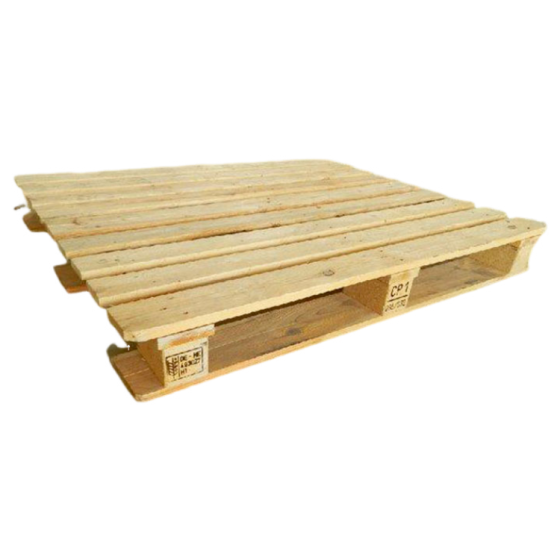
For quality control and safety managers, choosing a reliable wooden pallet exporter means looking beyond price to strict compliance, traceability, and export readiness. A qualified wooden pallet supplier must meet packaging, treatment, inspection, and documentation standards to reduce shipment risks and protect cargo integrity. This article explains how exporters manage compliance and why it matters for global logistics.
In the rubber and plastics supply chain, pallet compliance affects more than warehouse orderliness. It directly influences container loading stability, customs clearance speed, contamination control, and the safe movement of finished goods, resins, additives, packaging, and molded components. For facilities shipping internationally, even one non-compliant pallet can delay a full batch, trigger reinspection, or increase product loss.
Shanghai Ximin Industrial Development Co., Ltd. serves industrial customers with plastic pallets, iron pallets, wooden pallets, molded pallets, plastic turnover boxes, waste containers, tanks, hollow boards, and related logistics products. For buyers responsible for quality assurance and safety, the real question is how a wooden pallet exporter controls compliance at every stage, from lumber selection to final shipping documents.
Why Compliance Matters in Export Pallet Supply
A wooden pallet used for export is not just a load base. It is part of the international packaging system and must satisfy treatment, marking, structural integrity, and documentary expectations across multiple checkpoints. In practical terms, compliance often involves 4 core areas: phytosanitary treatment, physical quality, labeling accuracy, and shipment documentation. Failure in any one area can cause cargo holds or destination-side rejection.
For quality control managers, the risk is measurable. A shipment may move through 3 to 5 handling stages before reaching the importer: factory loading, inland transport, export customs, ocean or air transit, and destination warehousing. At each stage, pallet defects such as loose boards, protruding nails, moisture issues, or missing treatment marks can create safety incidents, product contamination, or audit nonconformities.
Safety managers also evaluate ergonomic and operational factors. A compliant exporter should deliver pallets that support stable stacking, forklift entry, and predictable load behavior under compression and vibration. This is particularly important when shipping plastic products, chemical packaging, or mixed industrial goods where pallet instability can lead to tipping, puncture damage, or aisle hazards.
Typical compliance checkpoints before export
The checklist below reflects the most common points reviewed by exporters and buyers before release. It is especially useful for teams managing outgoing pallets for plastics processing, warehousing, and cross-border distribution.
The key point is that compliance is operational, not theoretical. A reliable wooden pallet exporter does not wait until the truck arrives to check pallet quality. Instead, control begins upstream, often 24 to 72 hours before dispatch, with inspection, segregation of suspect units, and confirmation that export documentation matches the actual pallet batch.
- Use defined acceptance criteria for appearance, dimensions, fastening, and marks.
- Separate export pallets from domestic-use pallets to avoid mixing.
- Record inspection date, batch, quantity, and responsible personnel for traceability.
- Verify the pallet type against cargo weight, stacking pattern, and transport mode.
How Exporters Control Treatment, Marking, and Traceability
For most international markets, treatment compliance is the first gate. Exporters must ensure wood packaging materials are processed according to the destination’s phytosanitary expectations, then clearly marked for identification. From a buyer perspective, this means the exporter should be able to show a repeatable 3-step chain: approved treatment, correct marking, and retrievable production records. If any link is weak, traceability collapses during inspection.
Traceability is especially valuable when shipping rubber and plastics products in high-volume programs. A monthly order may involve 500 to 5,000 pallets across several container loads. In such cases, batch management matters. Exporters should identify when each pallet lot was produced, treated, and inspected, and which customer order it belongs to. This reduces the response time if a destination warehouse raises a complaint.
What quality teams should ask about traceability
A dependable exporter should answer technical questions clearly rather than respond with general claims. The most useful verification points are listed below.
- How are treatment batches identified and linked to finished pallets?
- How long are inspection and release records retained: 6 months, 12 months, or longer?
- What percentage of pallets are checked before shipment: random sampling or 100% visual screening?
- How are damaged or unmarked pallets isolated to prevent accidental export use?
- Can the supplier provide a rapid document response within 24 hours if customs requests clarification?
Common control methods used by organized exporters
Good exporters standardize mark placement, assign batch references, and maintain incoming material records. They may also define moisture screening thresholds, visual defect categories, and pallet repair limits. This does not require complicated systems, but it does require discipline and consistency across purchasing, production, QC, and shipping teams.
In many mixed-material logistics programs, companies also compare wood and plastic pallet options based on destination rules and operating environment. For example, cold-chain or chemical warehousing may favor plastic platforms because they are moisture resistant and easier to clean. In that context, 800*600 supermarket European style shelf plastic pallet may be considered for applications requiring 4-way entry, double-faced structure, and low-maintenance handling in 800x600mm footprints.
That product profile, using HDPE or PP with an 8 kg unit weight and OEM/ODM support, shows why some exporters offer both wooden pallets and plastic alternatives. The compliance strategy then becomes application-based: wood for markets and loads that accept treated timber, plastic for environments where moisture resistance, washability, or repeated indoor circulation are higher priorities.
Inspection Standards That Reduce Quality and Safety Failures
Inspection is where compliance moves from paperwork to physical control. For wooden pallet export programs, quality teams typically review dimensions, deck condition, block or stringer integrity, fastener security, and visible contamination. The inspection method should be documented and repeatable. A basic but effective system often includes incoming lumber checks, in-process inspection, and pre-shipment verification, forming a 3-stage quality gate.
Safety managers should pay close attention to defects that create handling hazards. Examples include split deck boards, exposed nails, unstable repairs, warped edges, and uneven bottom support. These issues can interfere with forklift entry within seconds and may increase the chance of product tipping or operator injury. When palletized plastic bins, molded parts, or packaged chemical goods are stacked 2 to 3 levels high, a small structural defect becomes a major loading risk.
A practical export pallet inspection matrix
The following matrix helps QC and safety teams evaluate whether a wooden pallet exporter uses meaningful inspection criteria or only informal visual judgment.
A structured matrix also helps procurement teams compare suppliers. If one exporter can define acceptance limits, sampling methods, and defect segregation rules while another cannot, the first supplier is usually better prepared for audit and international shipping consistency. For recurring buyers, this often saves more cost than a small unit-price difference.
Where wooden and plastic pallets are assessed differently
In the plastics industry, some operations review alternative pallet materials for specific areas. Plastic pallets are often evaluated for moisture resistance, cleanability, and low maintenance. A compact shelf-use unit such as the 800x600mm plastic pallet format can be useful in supermarket distribution, cold chain circulation, or chemical warehousing where frequent wash-down or damp conditions make wooden pallets less suitable.
This does not replace wooden pallet export compliance, but it shows why experienced suppliers offering multiple pallet types can help buyers choose the right platform by application, load style, and destination requirement rather than by habit alone.
Documentation, Shipping Readiness, and Cross-Department Coordination
Even physically sound pallets can create export problems if the documentation process is weak. Wooden pallet exporters must align pallet quantity, pallet type, packaging description, and support records with the actual shipment. For QC personnel, this means documents should be reviewed as part of release control, not as a separate administrative task after loading. A mismatch between paperwork and cargo often causes avoidable inspection delays.
A typical export readiness workflow involves 5 steps: order confirmation, pallet production or allocation, inspection and segregation, loading verification, and document release. Each step should have a responsible person and a defined timing window. For example, final verification may occur 12 to 24 hours before truck departure so defects or count differences can still be corrected without missing vessel cut-off.
Information that should match across the shipment file
The table below shows the basic document alignment points that quality and safety teams can check before approving export release.
When suppliers can synchronize these records, response to customer or customs inquiries becomes faster and more professional. In many B2B transactions, buyers expect a reply within 24 hours for document clarification, especially if goods are already in transit. Exporters that treat documentation as part of quality control usually perform better under pressure than those that leave it entirely to sales or forwarding teams.
Coordination points between departments
- Sales confirms destination market requirements before pallet allocation begins.
- Production or sourcing separates export-grade pallets from local-use inventory.
- QC verifies marks, condition, quantity, and release records before loading.
- Warehouse checks stack pattern, stretch wrapping, and forklift-safe handling.
- Shipping staff confirms that documents reflect the same pallet batch and count.
For companies handling both wood and plastic logistics products, this discipline can extend across the wider packaging program. That is one reason buyers often prefer suppliers with integrated experience in plastic pallets, turnover boxes, and industrial waste containers as well as wooden export platforms. Cross-category knowledge helps reduce mismatches between packaging design, handling method, and export compliance requirements.
How Quality and Safety Managers Should Evaluate a Wooden Pallet Exporter
Choosing a wooden pallet exporter should be treated like selecting a controlled packaging partner, not a low-cost commodity source. A practical evaluation framework usually includes 4 dimensions: compliance capability, production consistency, response speed, and application fit. This is especially relevant in rubber and plastics operations where pallets may carry bagged resin, boxed molded parts, regrind containers, drums, or retail-ready loads with different handling sensitivities.
Compliance capability includes treatment control, visible marking, inspection records, and document responsiveness. Production consistency covers dimensional stability, fastening quality, repair control, and repeatability from batch to batch. Response speed matters because shipment issues often require action within 12 to 48 hours. Application fit ensures the pallet matches real use conditions such as humidity, racking, shelf placement, cold rooms, or chemical exposure.
Supplier evaluation checklist
Buyers can use the following list during supplier qualification, trial orders, or annual review. It supports both new sourcing and ongoing vendor management.
- Ask for a defined export pallet inspection standard rather than verbal assurances.
- Review how nonconforming pallets are labeled, isolated, and prevented from re-entry.
- Check whether the supplier can support mixed needs, such as wooden export pallets and plastic warehouse pallets.
- Confirm realistic lead times, for example 7 to 15 days for routine orders depending on quantity and configuration.
- Verify technical support for OEM/ODM or size adaptation when operations require non-standard packaging footprints.
Common mistakes buyers should avoid
One common mistake is judging only by unit price. A pallet that is cheaper by a small amount can become more expensive after rework, loading interruptions, cargo damage, or destination-side rejection. Another mistake is assuming one pallet material fits all scenarios. In moisture-sensitive or hygiene-focused areas, plastic pallets may offer lower maintenance and better washability than wood.
For example, in shelf logistics, cold chain transfer, or chemical warehousing, a compact plastic design with 4-way entry and double-faced structure can improve circulation efficiency. Suppliers that manufacture their own pallet lines and support OEM/ODM often provide more stable delivery and faster product adjustments than traders relying only on outside factories.
FAQ for purchasing and compliance teams
How many inspection points should be reviewed before shipment?
A practical baseline is 6 points: dimensions, fastening, structural integrity, cleanliness, marking visibility, and quantity accuracy. High-risk cargo may add moisture condition and stack test review.
When should plastic pallets be considered instead of wooden export pallets?
Consider plastic pallets when the operating area is humid, requires repeated cleaning, or involves cold chain and chemical warehousing. They are also useful when low maintenance and stable dimensional performance are priorities.
What response speed should a reliable exporter offer for document questions?
A strong B2B supplier should usually provide clarification within 24 hours, especially for packing details, pallet counts, or batch-related questions that affect customs or receiving.
How often should supplier performance be reviewed?
For regular exporters, a quarterly review is practical. If monthly shipment volume is high or destination requirements are strict, monthly KPI tracking for defects, delays, and document accuracy may be more useful.
A wooden pallet exporter handles compliance effectively by combining treatment control, physical inspection, traceable records, and shipment-ready documentation into one disciplined process. For quality control and safety managers, that means fewer avoidable delays, stronger cargo protection, and better confidence across international logistics operations.
Shanghai Ximin Industrial Development Co., Ltd. supports industrial buyers with a broad pallet and logistics product portfolio, including wooden pallets, plastic pallets, molded pallets, iron pallets, turnover boxes, and related handling solutions. This wider manufacturing and supply capability helps customers align pallet material, application environment, and export requirements more accurately.
If you are reviewing pallet compliance for export shipments, planning a material switch for cold chain or chemical warehousing, or comparing wooden and plastic pallet options for safer handling, contact us to discuss your application, request technical details, or get a tailored logistics packaging solution.
Related Posts
- Cold Storage Can Change Plastic Large Pallet Performance
- How a Wooden Pallet Exporter Handles Compliance
- When to Replace a Damaged Wooden Pallet
- Wooden Pallet Cost: What Affects the Price
- How to Choose a Reliable Wooden Pallet Exporter
- Cheap Plastic Pallets vs Durable Ones: Which One Saves You More Money?
Products
Message

Leave a message
Have any questions or requests? Please leave a message and we will get back to you as soon as possible.