


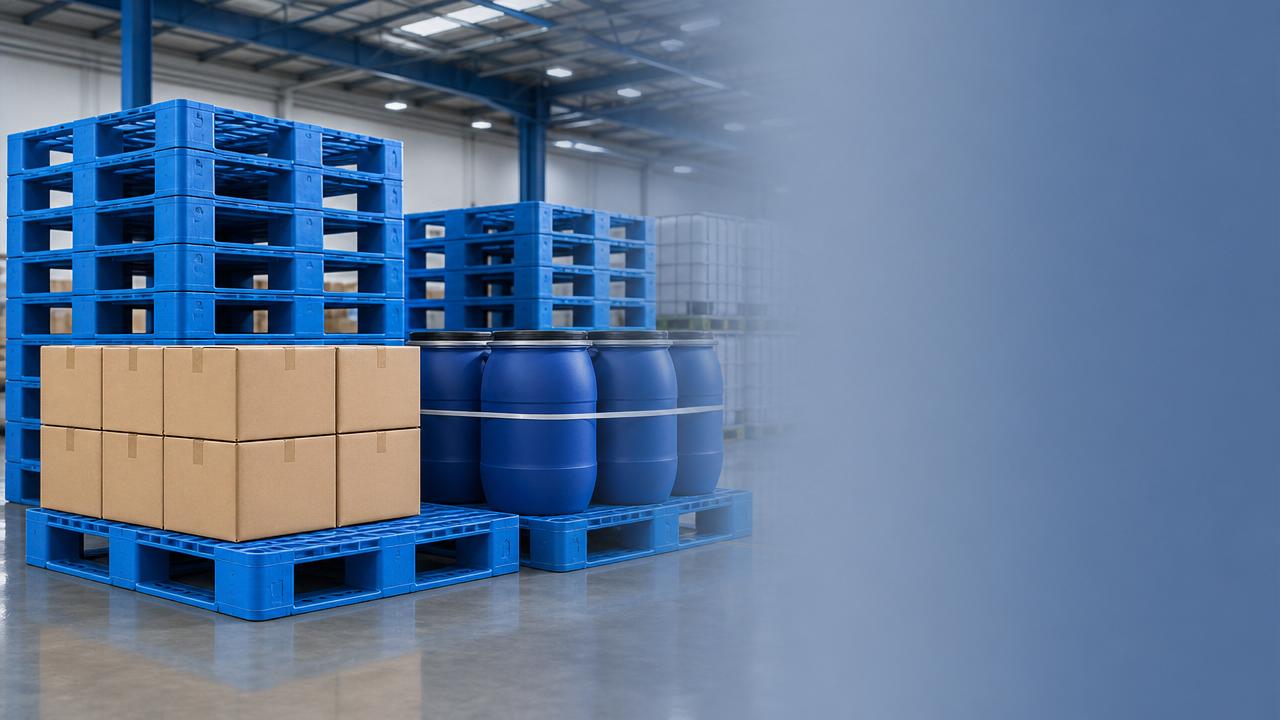
Efficient warehouse workflows start with the right handling habits. When using a nestable large pallet in daily operations, proper loading, stacking, and movement improve safety, save space, and reduce product damage.
In rubber and plastic logistics, these habits matter even more. Plastic pallets support cleaner handling, moisture resistance, and repeatable use, making them practical for busy storage and transport routines.
The questions below explain how to use a nestable large pallet correctly, how to avoid common mistakes, and how to match pallet features with real warehouse conditions.
What is a nestable large pallet, and why is it useful in daily warehouse work?
A nestable large pallet is designed so empty pallets fit into each other. This reduces storage volume when pallets are not carrying goods.
That nesting structure helps free floor space. It also makes return logistics easier, especially when many empty pallets move back from delivery points.
In plastic product handling, a nestable large pallet can support stable loads while resisting moisture, corrosion, and frequent washing. These features are valuable in cold chain and chemical environments.
Compared with some traditional wooden options, plastic pallets usually offer more consistent dimensions. That consistency improves forklift alignment and stack planning in repetitive workflows.
How should a nestable large pallet be loaded to stay safe and stable?
Correct loading starts with even weight distribution. Place heavier items near the center and avoid concentrating force on one corner or edge.
Do not let cartons or containers overhang too far. Overhang increases tipping risk during lifting, turning, and racking transfer.
When shrink wrap is used, secure the load firmly but avoid crushing soft packaging. Stable wrapping supports the full pallet unit during movement.
For liquids, chemicals, or temperature-sensitive products, check whether the pallet material fits the application. HDPE and PP are common choices in warehouse plastic solutions.
- Center the load before lifting.
- Keep package height reasonable.
- Avoid damaged or cracked pallets.
- Match load type with pallet surface design.
A good example is Heavy duty high quality plastic pallet 1100x1100MM reusable, which offers 4-way entry and moisture resistance for smoother handling.
Where does a nestable large pallet perform best?
A nestable large pallet works well in facilities that need frequent pallet return, space-saving empty storage, and clean material handling.
It is especially useful in cold chain logistics. Plastic surfaces resist moisture better than wood and are easier to clean after condensation exposure.
Chemical storage is another strong fit. Proper plastic materials can reduce maintenance concerns linked to rust, water absorption, or surface contamination.
In fast-moving warehouse operations, nesting also shortens the space needed for empty pallet staging. That supports cleaner aisles and more efficient traffic flow.
How do you choose the right nestable large pallet for warehouse conditions?
Start with load type and handling method. Static load, dynamic load, forklift access, and floor conditions all influence the best pallet selection.
Size also matters. A common warehouse format like 1100x1100MM can fit many storage and transport routines while keeping planning simple.
Check entry direction carefully. A 4-way entry design improves maneuverability and helps reduce alignment delays during pallet pickup.
Material choice affects long-term use. HDPE often supports impact resistance and low-temperature performance, while PP may suit other handling demands.
What handling mistakes damage a nestable large pallet fastest?
One common mistake is hitting pallet legs with forklift forks. Repeated impact weakens the structure and shortens service life.
Another problem is dragging a nestable large pallet across rough ground. This creates wear on the underside and can affect stability later.
Exceeding rated load is also risky. Even durable plastic pallets can bend, crack, or fail if actual use conditions go beyond design limits.
Improper stacking of empty pallets may cause leaning or collapse. Nest them correctly and keep stacks at a safe height for the area.
- Never lift a load from one side only.
- Keep forklifts aligned before entry.
- Inspect pallets after heavy impact.
- Separate damaged units immediately.
How can daily maintenance lower cost and extend pallet life?
Routine inspection should be simple and regular. Check for cracks, fork damage, edge wear, and surface deformation before reuse.
Cleaning matters in rubber and plastic product handling. Dust, chemical residue, and water buildup can create slipping risks or contaminate stored goods.
A reusable option with low maintenance can reduce replacement frequency. That matters when pallet circulation is high and downtime affects shipping speed.
Shanghai Ximin Industrial Development Co., Ltd. supplies plastic pallets and related handling products, with experience in custom development and practical application support.
For operations needing a robust warehouse plastic solution, the model 1111 Nine-legged tablet, weighing 23.5kg, can fit repeated use in cold chain logistics and chemical storage.
Quick FAQ table: what should you remember before using a nestable large pallet?
Using a nestable large pallet well is not only about material choice. Daily loading discipline, proper movement, and simple inspections make the biggest difference.
Review your pallet routines, check handling points, and choose a design that matches actual warehouse traffic, storage conditions, and return flow requirements.
Related Posts
- Nestable Large Pallet Handling Tips for Daily Warehouse Use
- Nestable Large Pallet Cost Benefits Beyond Floor Space
- What to Check Before Ordering a Nestable Large Pallet
- Where Wooden Pallet Price Pressure Is Hitting Distributors
- Can Wooden Pallet Price Predict Maintenance Costs Later
- Wooden Pallet Price Benchmarks by Size and Load Class
Products
Message

Leave a message
Have any questions or requests? Please leave a message and we will get back to you as soon as possible.