


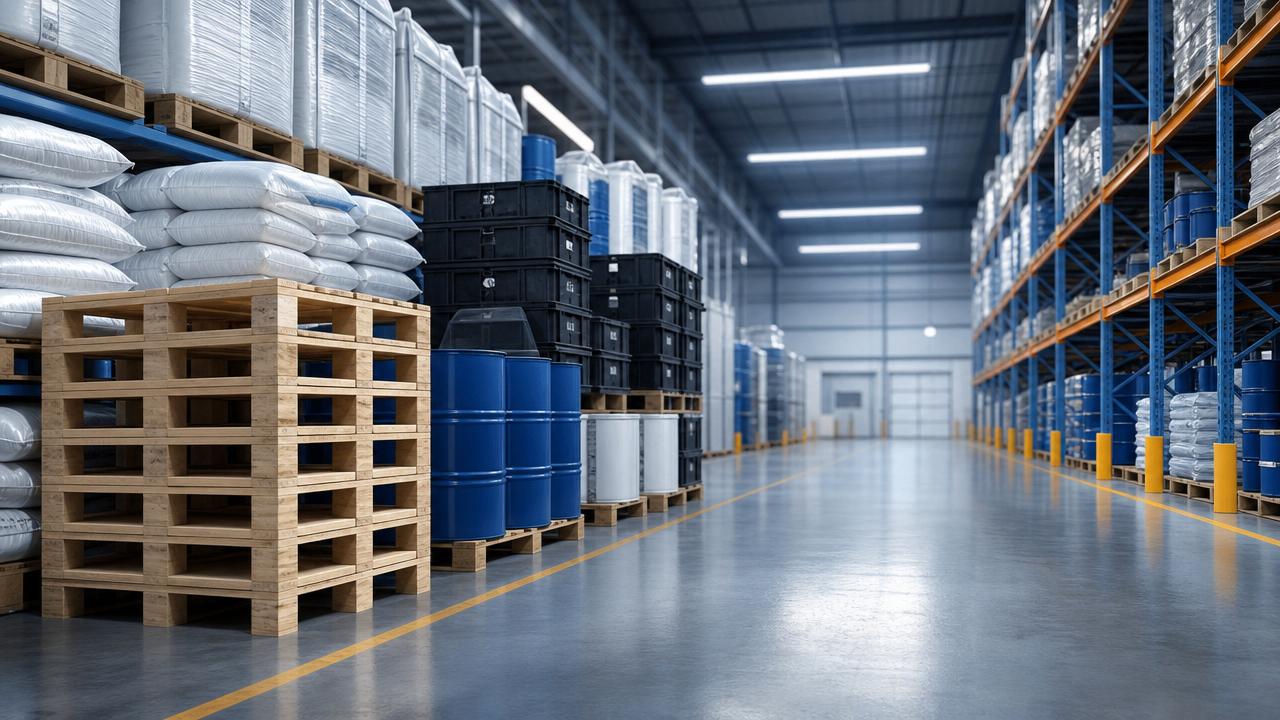
Wooden pallet price is becoming a maintenance signal, not only a purchase number
For after-sales maintenance teams, wooden pallet price can reveal more than just upfront budget pressure—it may also hint at future repair frequency, replacement cycles, and handling risks.
In the rubber and plastics industry, pallet performance affects resin bags, molded parts, drums, and boxed components every day.
That is why wooden pallet price often becomes an early clue about lifecycle cost, not only initial sourcing cost.
A lower wooden pallet price may reduce short-term spending, but it can also increase breakage, contamination, nail exposure, and forklift impact damage.
When pallets move through humid workshops, chemical areas, and high-turn warehouses, those hidden issues become maintenance events later.
Current signals show a shift from price comparison to total service cost
Across rubber and plastics operations, storage systems are handling heavier loads, tighter hygiene standards, and faster turnover than before.
Under these conditions, wooden pallet price is being reviewed together with repair records, downtime, and product loss.
A pallet that looks affordable at delivery may become expensive after repeated slat replacement and damaged goods claims.
This trend is especially visible where plastic granules, additives, film rolls, and molded products must remain stable during movement.
The conversation is changing from “What is today’s wooden pallet price?” to “What does that wooden pallet price predict over twelve months?”
Why this change is accelerating
- Higher warehouse automation exposes inconsistency in pallet dimensions and rigidity.
- Moisture and chemical exposure shorten wooden pallet life in plastics and rubber environments.
- Frequent forklift handling increases crack formation when timber quality is uneven.
- Safety audits now pay closer attention to splinters, loose nails, and unstable stacking.
- Replacement cycles matter more as logistics networks become faster and more traceable.
What drives the link between wooden pallet price and later maintenance costs
In practical terms, wooden pallet price often reflects how much margin exists in materials, drying, fastening, and structural consistency.
If those areas are compressed too far, maintenance teams usually absorb the difference later through extra inspections and urgent replacements.
The impact spreads across storage, transport, and product protection
In rubber and plastics facilities, pallet quality influences more than floor operations.
It also affects product cleanliness, stack security, forklift efficiency, and warehouse space use.
Key operational effects
- Damaged pallets can puncture film wrap and expose packaged polymer materials.
- Irregular pallet height can disrupt conveyors and manual picking routines.
- Weak boards can deform under drums, bins, or heavy molded components.
- Frequent repairs consume labor hours that could support preventive maintenance elsewhere.
When these effects are tracked together, wooden pallet price becomes a meaningful operating indicator rather than a simple quotation line.
Some sites therefore compare wood with alternatives built for durability and easier cleaning.
For heavy-duty or high-hygiene areas, Metal Pallet solutions may reduce long-term service interruptions.
What deserves closer attention before wooden pallet price is accepted
A useful review should connect the quoted wooden pallet price with actual usage conditions.
That includes load type, movement frequency, storage humidity, sanitation requirements, and export handling rules.
Core checkpoints
- Static, dynamic, and racking load performance under real products.
- Moisture resistance during seasonal changes and washdown exposure.
- Repairability versus replacement cost after impact damage.
- Contamination risk near chemicals, food-grade plastics, or pharmaceuticals.
- Lifecycle records, not only supplier promises.
Shanghai Ximin Industrial Development Co., Ltd. supports pallet-related applications with plastic, iron, wooden, and molded pallet options for varied industrial environments.
That broader product understanding helps evaluate whether wooden pallet price aligns with actual maintenance pressure over time.
A practical way to judge future cost from today’s wooden pallet price
Where durability, stability, and mechanized handling are critical, a second comparison with steel or galvanized designs can be useful.
In some environments, a well-matched Metal Pallet offers strong load-bearing capacity, safety, recyclability, and easier cleaning.
The smarter next step is to connect pallet quotes with maintenance data
The best response is not to reject a low wooden pallet price automatically.
It is to test whether that wooden pallet price matches the actual stress of the operation.
Start by reviewing repair frequency, damaged-goods incidents, and average service life from recent pallet batches.
Then compare those results with material options, environmental demands, and handling methods inside the facility.
When wooden pallet price is judged together with maintenance evidence, purchasing decisions become more stable, safer, and more cost-effective later.
Related Posts
- Can Wooden Pallet Price Predict Maintenance Costs Later
- Wooden Pallet Price Benchmarks by Size and Load Class
- How Wooden Pallet Price Affects Packaging Budgets
- Wooden Pallet Price vs Plastic: Which Costs Less Now
- Wooden Pallet Price in 2026: What Is Driving the Increase
- Nestable Large Pallet or Rackable Type: Which Fits Better
Products
Message

Leave a message
Have any questions or requests? Please leave a message and we will get back to you as soon as possible.