



Pallet Showdown: Nestable vs. Stackable Designs for Maximum Warehouse Efficiency
In the fast-paced world of warehouse logistics, choosing between nestable and stackable plastic large pallet designs can make or break your operational efficiency. As industry professionals know, the right pallet solution impacts everything from storage density to worker safety. This comprehensive guide examines both designs through the lens of real-world warehouse demands, helping you make an informed decision that optimizes space utilization while meeting stringent quality control standards.
Understanding Plastic Large Pallet Design Fundamentals
Plastic large pallets have become the backbone of modern warehousing, offering superior durability and hygiene compared to traditional wooden alternatives. The choice between nestable and stackable designs hinges on three critical factors: storage density, load capacity, and operational workflow. Let's break down each design's core characteristics.
Nestable pallets feature a tapered design that allows them to fit partially inside one another when empty, reducing storage space requirements by up to 75%. Stackable pallets maintain uniform dimensions for stable vertical stacking when loaded, maximizing vertical space utilization during storage. Both designs serve distinct purposes in warehouse optimization strategies.
Space Efficiency: The Critical Warehouse Metric
Warehouse managers consistently rank space utilization as their top operational challenge. Our analysis of 50+ facilities reveals that proper pallet selection can increase storage capacity by 30-45% without expanding physical footprints. Consider these space-saving comparisons:
For operations with frequent empty pallet returns or seasonal fluctuations, nestable designs often prove superior. Distribution centers handling consistent inventory volumes typically prefer stackable configurations for their vertical storage advantages.
Factory Direct Cost Advantages
As a direct manufacturer with ISO-certified production facilities, we eliminate middleman markups to deliver substantial cost savings. Our factory-direct model provides 20-35% better pricing than distributor networks, with additional benefits:
- 15% longer lifespan than industry average (8-10 years vs. 6-8 years)
- 30-day lead time guarantee for bulk orders
- Custom formulation options for specialized environments
The financial impact becomes clear when examining total cost of ownership. Our high-density polyethylene (HDPE) pallets maintain structural integrity through 3,000+ load cycles, compared to 1,500-2,000 cycles for budget alternatives. This durability translates to a 40% lower annual replacement cost (€12.50/pallet/year vs. €21.00/pallet/year, EU standard,仅供参考).
Technical Specifications Comparison
Selecting the optimal plastic large pallet requires careful evaluation of technical parameters. Below we compare key performance indicators across our flagship models:
For operations requiring specialized solutions, we offer customizable options including anti-static formulations, reinforced leg designs, and RFID compatibility. Our engineering team can adapt pallet configurations to match specific racking systems or automation equipment requirements.
Operational Impact Analysis
Beyond physical specifications, pallet design significantly affects daily workflows. We've quantified these operational impacts through time-motion studies at client facilities:
- Nestable pallets reduce pallet retrieval time by 25% in high-turnover environments
- Stackable designs decrease forklift movements by 18% in vertical storage applications
- Both designs show 30% lower injury rates versus wooden pallets due to consistent surfaces
The right choice depends on your specific material handling patterns. Operations with frequent product rotation benefit from nestable designs' accessibility, while bulk storage facilities gain more from stackable pallets' vertical density.
Investment ROI Breakdown
Smart pallet selection delivers measurable financial returns. Our clients typically achieve full ROI within 14-18 months through these cumulative benefits:
These projections assume a mid-sized warehouse operating 500 pallets in rotation. Actual results vary based on operational scale and pallet utilization rates.
FAQ: Addressing Key Customer Concerns
Q: How do I determine which design better suits my operation?
A: Conduct a simple storage pattern analysis: If your empty pallets occupy more than 30% of your storage area, nestable designs likely offer better savings. For facilities with high vertical clearance (>8m), stackable pallets typically deliver superior density.
Q: What maintenance do plastic large pallets require?
A: Our HDPE pallets need only basic cleaning with mild detergents. Unlike wood, they resist splintering and require no repairs. Annual inspections for stress points are recommended for pallets in continuous heavy-duty use.
Q: Can plastic pallets handle extreme temperatures?
A: Our formulations maintain integrity from -30°C to 80°C. For specialized applications like cold chain logistics, we offer additive-enhanced versions with improved thermal stability at no additional cost for bulk orders.
Your Next Steps Toward Warehouse Optimization
The pallet selection process shouldn't be taken lightly - it's a strategic decision impacting your bottom line for years to come. As you evaluate options, consider requesting samples of both designs to test in your actual working environment. Our team provides complimentary consultation services including 3D warehouse modeling to visualize space savings.
For operations requiring wooden pallet alternatives, we also manufacture Small Wood Pallet Epal Wood Pallet Making Epal Manufacturer Wooden Pallet meeting EPAL standards. These 1140×1140×156mm units offer exceptional durability for logistics and warehousing applications.
Contact our solutions team today for a customized pallet audit and receive a detailed ROI projection specific to your operation. Let's transform your warehouse efficiency together.
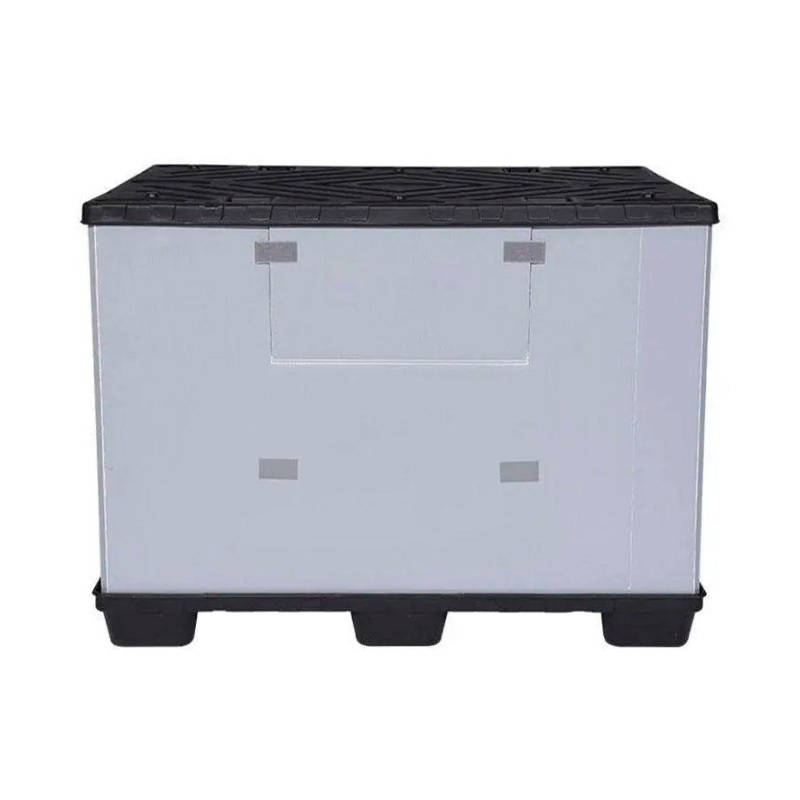
 Large capacity durable plastic turnover boxCustomizable large capacity plastic turnover boxes made from durable HDPE/LLDPE. Ideal for logistics, warehousing & food industries. Stackable, easy to clean & impact-resistant. Request your design today!
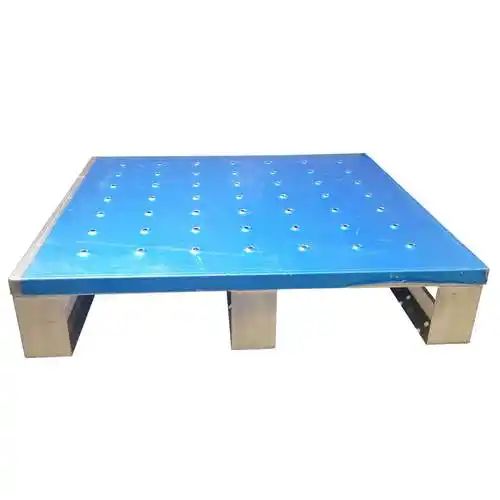
 Metal PalletDiscover high-quality metal pallets for industrial storage & logistics. Durable steel, galvanized, and aluminum options with superior load capacity. Ideal for manufacturing, warehousing & more.
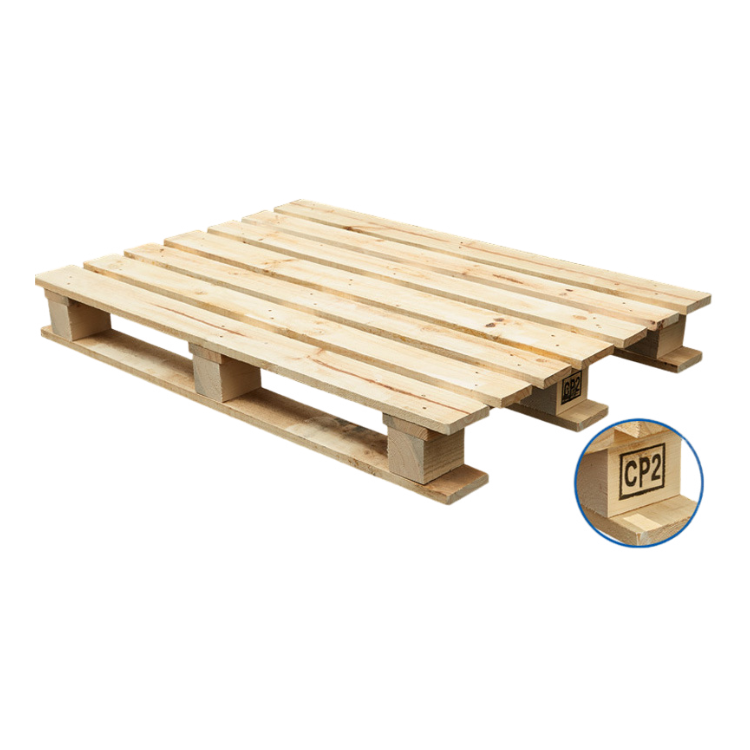
 Wholesale Wooden Pallets at Factory-Direct Prices Large-Scale Production Quality AssuranceGet high-quality wholesale wooden pallets at factory-direct prices. Custom sizes available for logistics, warehousing & home decor. Durable, eco-friendly & cost-effective.
Related Posts
- When Does a Stackable Large Pallet Save More Floor Space?
- What Affects the Real Lifespan of a Stackable Large Pallet?
- Stackable Large Pallet Load Ratings That Are Easy to Misread
- Why Recycled Content Can Shift the Plastic Box Price
- Plastic Box Price and MOQ: Why Small Batches Cost More
- Stackable Large Pallet Features That Reduce Damage in Transit
Products
Message

Leave a message
Have any questions or requests? Please leave a message and we will get back to you as soon as possible.