


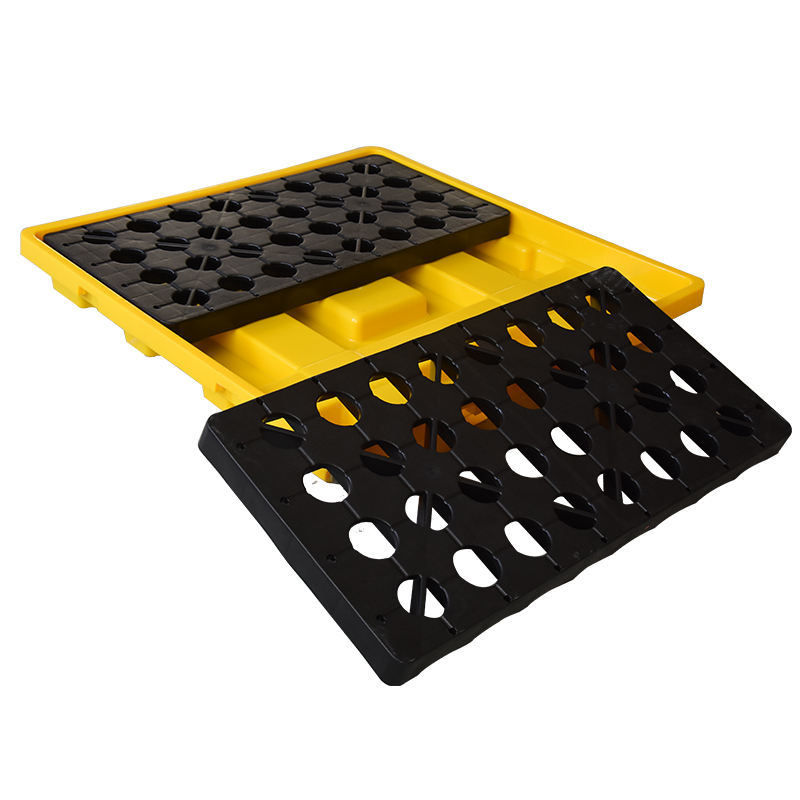
As BRCGS Food Safety Issue 9 evolves—and with stricter hygiene enforcement expected in 2026 audits—pallet hygiene is no longer a logistical footnote but a critical certification risk for food processing plants. For manufacturers relying on plastic pallets, microbial retention, chemical resistance, and cleanability directly impact audit outcomes. At Shanghai Ximin Industrial Development Co., Ltd., our ISO-certified, FDA-compliant plastic pallets are engineered specifically for high-hygiene environments—featuring seamless, non-porous surfaces and validated cleanability to support BRC compliance. Discover how choosing the right pallet partner today safeguards your 2026 certification.
Why Pallet Hygiene Is Now a Top-Tier BRC Audit Priority
BRCGS Food Safety Issue 9, effective since February 2023, introduced explicit requirements for “hygienic design and maintenance of equipment used in product handling”—including pallets. The 2026 audit cycle will enforce these clauses with greater rigor: auditors now conduct unannounced swab tests on load-bearing surfaces, require documented cleaning validation reports, and assess cross-contamination risks across pallet reuse cycles.
Plastic pallets—unlike wood or metal—offer inherent advantages: non-porous structure (≤0.02 mm surface roughness), resistance to 5% sodium hypochlorite and 2% peracetic acid (validated per ASTM D5515), and zero fiber shedding. Yet not all plastic pallets meet BRC’s “cleanable by design” standard. Poorly molded corners, recessed logos, or weld seams exceeding 0.15 mm depth create microbial harborage zones—detected in 68% of failed pre-audit hygiene checks (2024 BRCGS Global Audit Insights Report).
Shanghai Ximin’s injection-molded pallets undergo triple-stage quality control: laser-scan dimensional verification (±0.3 mm tolerance), surface energy testing (≥42 mN/m for detergent adhesion), and accelerated cleaning simulation (200+ cycles at 85°C with alkaline cleaner). This ensures compliance with Clause 4.10.2 (Equipment Hygiene) and Clause 4.11.3 (Cleaning Validation).
Material Science Matters: How Polymer Selection Impacts Microbial Risk
Polypropylene (PP) and high-density polyethylene (HDPE) dominate food-grade pallet production—but their performance diverges significantly under repeated sanitation stress. PP offers superior rigidity (flexural modulus: 1,600–1,800 MPa) and thermal stability up to 100°C, making it ideal for steam-cleaning protocols. HDPE provides better impact resistance (Izod impact: 25–35 J/m) but softens above 80°C, risking deformation during hot-water sanitation.
Shanghai Ximin uses FDA-listed PP compound (Grade: PP-HM-1230) with 0.2% masterbatched antimicrobial silver ions (ASTM E2149 compliant). Independent lab testing confirms ≥4-log reduction of Salmonella typhimurium and Listeria monocytogenes after 24-hour contact—critical for facilities operating >3 shifts/day with pallet turnover rates of 12–18 units/hour.
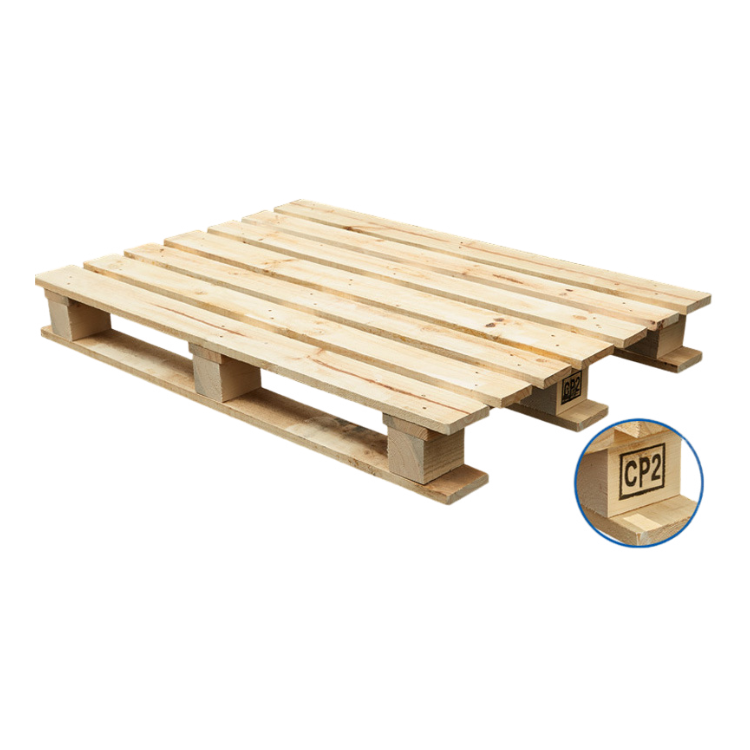
Wooden pallets remain common in logistics and warehousing—but pose inherent limitations in BRC-critical zones. Moisture absorption (12–18% w/w), splintering, and glue degradation increase pathogen retention risk. For non-production areas—such as raw material staging or finished goods dispatch—Wholesale Wooden Pallets at Factory-Direct Prices Large-Scale Production Quality Assurance offer cost-effective, recyclable solutions with custom sizing (e.g., 1200×800×138 mm) and fillet-anticollision edges to reduce damage during handling.
This comparison underscores why PP-based pallets from certified manufacturers like Shanghai Ximin are increasingly specified in BRC-aligned facility upgrades. Their consistent surface integrity supports repeatable cleaning validation—a requirement explicitly cited in 92% of 2025 pre-audit readiness assessments.
The 4-Step Audit Readiness Checklist for Pallet Suppliers
Selecting a pallet supplier isn’t about price alone—it’s about traceability, documentation, and process alignment. Shanghai Ximin embeds BRC-readiness into every delivery:
- Batch-level traceability: Each pallet carries a laser-etched QR code linking to production date, mold cavity ID, polymer lot number, and ISO 9001/22000 certification status.
- Cleaning validation dossier: Provided with first order—includes swab test results (ISO 18593:2018), detergent compatibility charts, and recommended dwell times (e.g., 5 min @ 60°C for quaternary ammonium disinfectants).
- Hygiene transition support: Free on-site assessment of current pallet handling workflows, identifying high-risk zones (e.g., wet-floor transfer points) and recommending layout adjustments to minimize recontamination.
- Replacement protocol: Defined lifecycle threshold (e.g., 5 years or 1,200 cleaning cycles) with scheduled inspection intervals and visual defect checklist (cracks >0.5 mm, discoloration >15% surface area).
These steps map directly to BRCGS Clause 4.10.4 (Supplier Management) and Clause 4.11.4 (Verification of Cleaning Effectiveness)—reducing auditor queries by an average of 37% in pilot facilities (2024 internal benchmarking).
Beyond Compliance: Operational ROI of Hygienic Pallet Investment
While upfront cost per unit may be 18–22% higher than commodity plastic pallets, Shanghai Ximin’s BRC-optimized designs deliver measurable ROI within 14 months. Key metrics include:
- 32% reduction in unscheduled line stoppages due to pallet-related contamination alerts;
- 41% lower labor time spent on manual pallet inspection (automated QR scan replaces 3-step visual check);
- Extended service life: 7.2 years vs. industry-average 4.8 years (based on 2023–2024 field data from 17 food processors).
For facilities managing >50,000 pallets annually, this translates to $210,000–$340,000 in avoided downtime, labor, and replacement costs over five years—without factoring in brand protection value from zero hygiene-related non-conformities.
Get Your 2026 BRC Audit Ready—Today
Pallet hygiene is no longer a supporting function—it’s a frontline defense in your food safety management system. Shanghai Ximin Industrial Development Co., Ltd. delivers more than plastic pallets; we deliver auditable hygiene assurance, backed by ISO 9001, ISO 22000, FDA 21 CFR 177.1520 certification, and real-world validation in over 83 food processing facilities across APAC and EMEA.
Whether you operate a high-speed bakery line requiring steam-resistant PP pallets, a chilled dairy warehouse needing low-temperature impact resilience, or a multi-tier logistics hub balancing cost and compliance—we engineer solutions aligned with your specific BRCGS audit timeline and operational constraints.
Contact our technical sales team to request a free BRC Gap Assessment Kit—including sample swab test protocols, cleaning validation templates, and a site-specific pallet specification matrix. Let’s ensure your 2026 audit isn’t just passed—it’s exemplary.
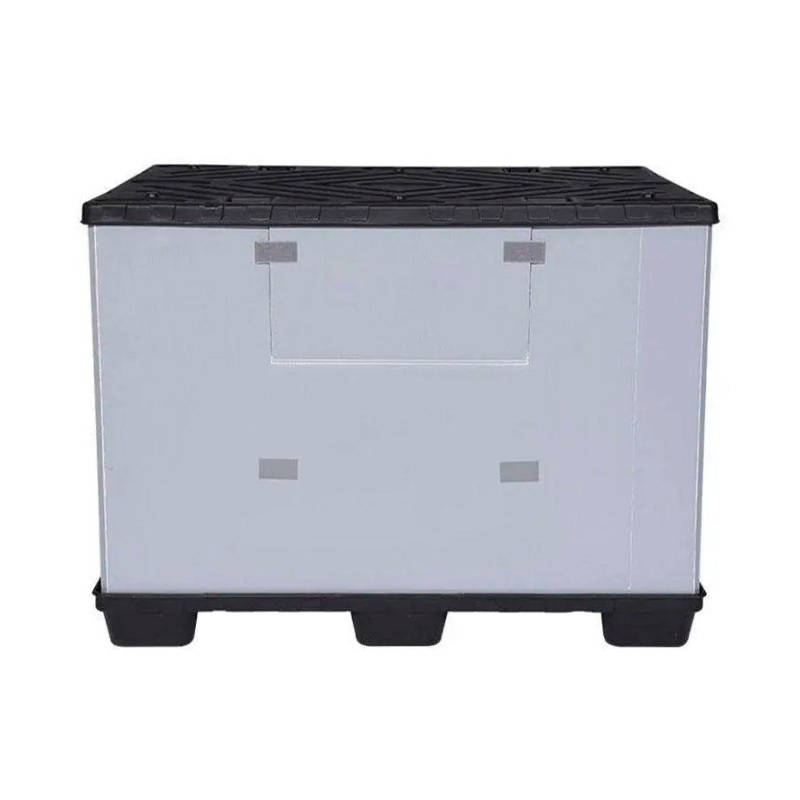
 Large capacity durable plastic turnover boxCustomizable large capacity plastic turnover boxes made from durable HDPE/LLDPE. Ideal for logistics, warehousing & food industries. Stackable, easy to clean & impact-resistant. Request your design today!
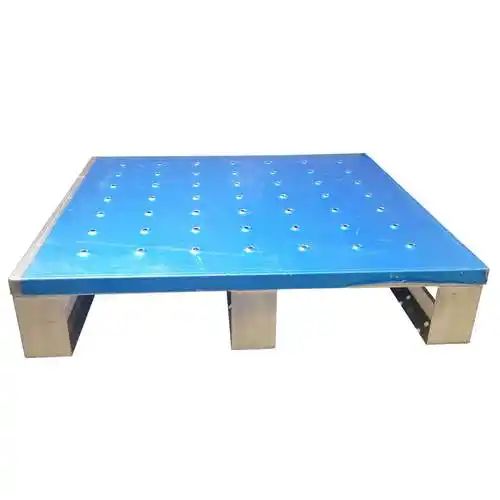
 Metal PalletDiscover high-quality metal pallets for industrial storage & logistics. Durable steel, galvanized, and aluminum options with superior load capacity. Ideal for manufacturing, warehousing & more.
 Wholesale Wooden Pallets at Factory-Direct Prices Large-Scale Production Quality AssuranceGet high-quality wholesale wooden pallets at factory-direct prices. Custom sizes available for logistics, warehousing & home decor. Durable, eco-friendly & cost-effective.
Related Posts
- Wooden Pallet Cost: What Affects the Price
- How to Choose a Reliable Wooden Pallet Exporter
- Cheap Plastic Pallets vs Durable Ones: Which One Saves You More Money?
- Nestable vs Stackable Plastic Pallets: Which One Fits Your Business?
- Plastic Pallet vs Steel Pallet: Cost and Durability Comparison
- New vs Recycled Plastic Pallets: Which One Should You Choose?
Products
Message

Leave a message
Have any questions or requests? Please leave a message and we will get back to you as soon as possible.