


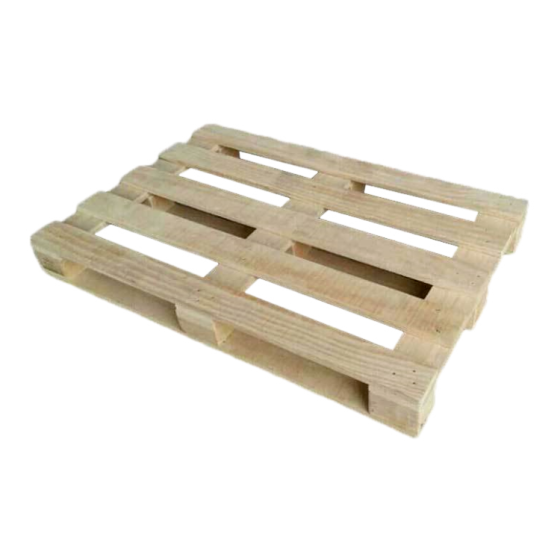
Introduction to Pallet Materials
Choosing the right large pallet material is crucial for efficient logistics and cost management. This comprehensive comparison between plastic, wood, and metal pallets will help procurement professionals and project managers make informed decisions. Discover the advantages of mesh pallet designs and learn which material best suits your specific operational needs, durability requirements, and budget constraints.
Key Factors in Pallet Selection
When evaluating pallet materials, consider these 5 critical factors that impact operational efficiency and total cost of ownership:
- Load capacity (typically 1,000-3,000 kg for standard pallets)
- Durability (average lifespan ranges from 3-10 years)
- Hygiene requirements (especially important for food/pharma industries)
- Storage conditions (humidity, temperature fluctuations)
- Return on investment (initial cost vs maintenance expenses)
Material Comparison Table
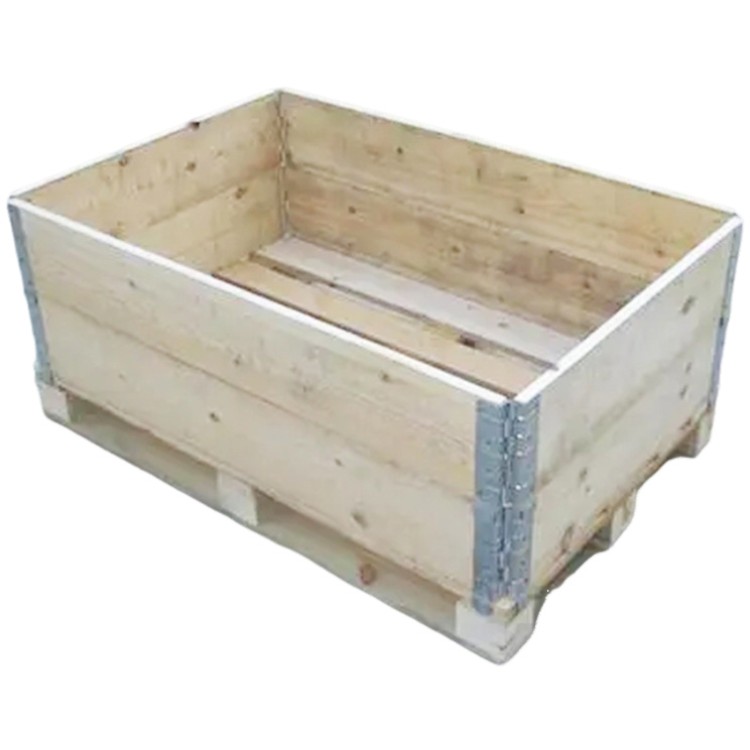
The table demonstrates how plastic pallets offer a balanced solution with moderate weight, excellent moisture resistance, and competitive lifespan. For projects requiring Small wooden pallets Epal solid wood pressed wood pallets wooden composite pallets, wood remains a cost-effective choice for certain applications.
Plastic Pallets: Modern Logistics Solution
High-density polyethylene (HDPE) and polypropylene (PP) pallets dominate modern supply chains due to their:
- 100% recyclability (meeting ISO 14000 environmental standards)
- Consistent dimensions (±1mm tolerance)
- Chemical resistance (pH 2-12 range)
- Nestable designs (saving 60-70% storage space)
Plastic Pallet Specifications
Wooden Pallets: Traditional Yet Versatile
Wooden pallets remain popular for their affordability and customizability. The Small wooden pallets Epal solid wood pressed wood pallets wooden composite pallets measure 1200*1000*156mm, making them ideal for European standard logistics operations. Key advantages include:
- 30-50% lower initial cost than plastic alternatives
- Easy repairability (individual board replacement)
- Natural friction surface (reduces load shifting)
- Biodegradable material (when properly treated)
Metal Pallets: Heavy-Duty Performance
Steel and aluminum pallets excel in extreme conditions, offering:
- 10,000-15,000 kg static load capacity
- Fire resistance (withstand 800°C+ temperatures)
- Minimal maintenance (no rust with proper coating)
- 100% recyclable at end-of-life
Industry-Specific Recommendations
Different sectors have distinct pallet requirements:
- Food & Beverage: Plastic pallets with smooth surfaces (FDA-compliant)
- Automotive: Metal pallets for heavy components
- Retail: Standard wooden pallets for one-way shipments
- Pharmaceutical: Anti-static plastic pallets
Conclusion and Next Steps
Your pallet selection should align with operational requirements, budget constraints, and sustainability goals. Plastic pallets offer the best balance for most modern logistics operations, while wood remains cost-effective for certain applications, and metal excels in extreme conditions.
For customized pallet solutions that meet your specific operational needs, contact our material handling specialists today. We provide comprehensive support from selection to implementation, ensuring optimal logistics performance.
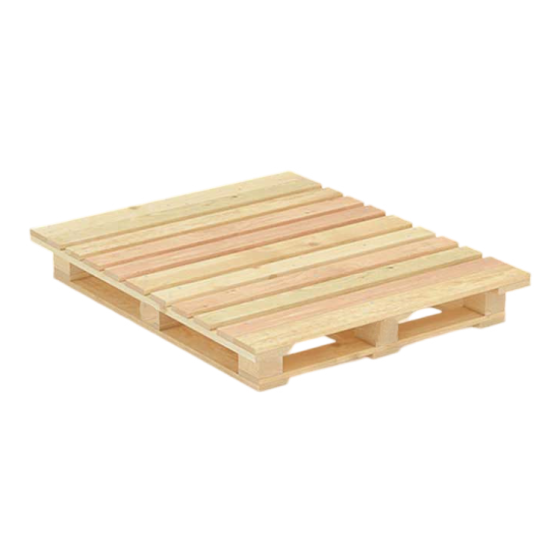
 Small wooden pallets Epal solid wood pressed wood pallets wooden composite palletsHigh-quality EPAL wooden pallets for logistics & home use. Custom sizes, durable, and eco-friendly. Ideal for heavy cargo & creative decor.
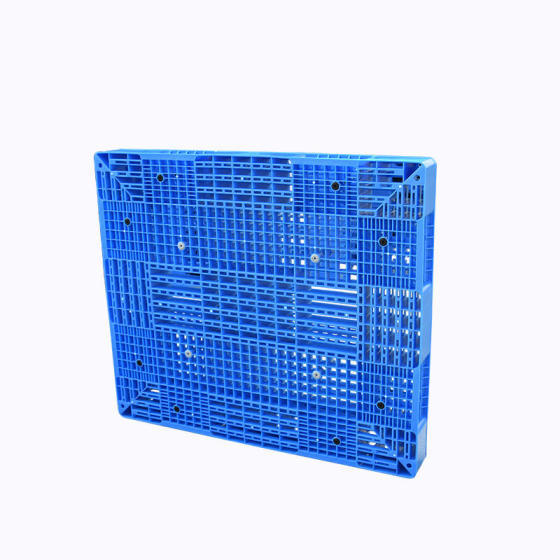
 4-way perforated grid reversible double sided reversible custom plastic palletsXIMIN's 4-way perforated reversible plastic pallets offer superior moisture resistance with HDPE/PP materials. Ideal for cold chain & chemical logistics. OEM/ODM services available.
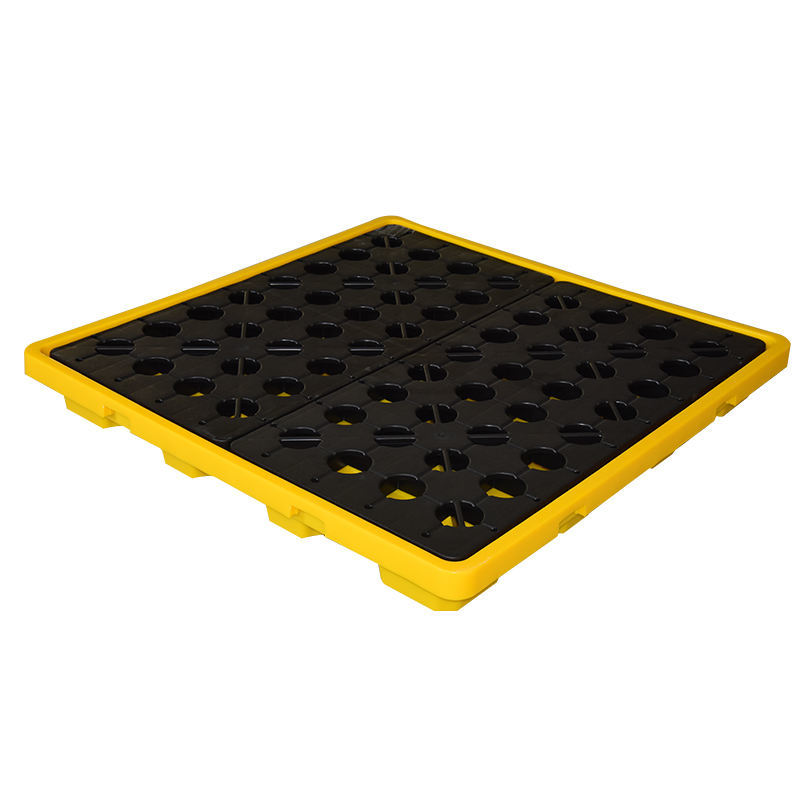
 Heavy Duty HDPE 4 Drum Spill Virgin Plastic PalletXIMIN's Heavy Duty HDPE 4 Drum Spill Plastic Pallet offers excellent moisture-proof performance for cold chain logistics & chemical warehousing. Durable, low-maintenance solution.
Related Posts
- Cold Storage Can Change Plastic Large Pallet Performance
- How a Wooden Pallet Exporter Handles Compliance
- When to Replace a Damaged Wooden Pallet
- Wooden Pallet Cost: What Affects the Price
- How to Choose a Reliable Wooden Pallet Exporter
- Cheap Plastic Pallets vs Durable Ones: Which One Saves You More Money?
Products
Message

Leave a message
Have any questions or requests? Please leave a message and we will get back to you as soon as possible.