


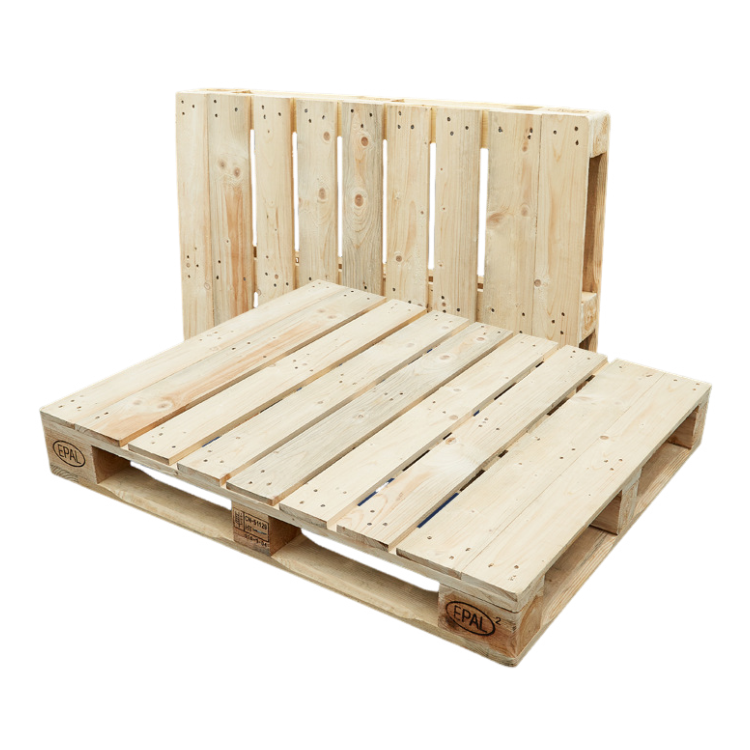
Choosing between plastic pallet vs wood pallet is a critical decision for warehouse efficiency, cost control, and sustainability. As a professional plastic pallet manufacturer, Shanghai Ximin Industrial Development Co., Ltd. helps logistics and manufacturing businesses compare durability, hygiene, lifespan, and total cost of ownership. Plastic pallets offer superior resistance to moisture, chemicals, and pests—ideal for food, pharma, and export applications—while wood pallets remain common but require more maintenance and pose contamination risks. Discover which pallet type aligns with your operational needs, compliance standards, and long-term ROI.
How Do Plastic and Wood Pallets Perform in Real-World Warehouse Conditions?
In high-turnover distribution centers or temperature-controlled cold chain logistics, pallet performance directly impacts uptime, labor safety, and product integrity. Wooden pallets—typically made from softwood or hardwood—are widely used due to low upfront cost and global availability. However, they absorb moisture at rates up to 12–15% by weight, swell under humidity, splinter during handling, and harbor mold or insect larvae without strict fumigation (ISPM-15). Plastic pallets, especially those made from virgin high-density polyethylene (HDPE), maintain dimensional stability across -20℃ to +60℃ operating ranges and resist corrosion from cleaning agents, acids, and solvents.
Shanghai Ximin’s Heavy Duty HDPE 4 Drum Spill Virgin Plastic Pallet exemplifies this reliability: weighing 50kg, it supports uniform loads up to 2,500 kg static and 1,200 kg dynamic, with extremely low water absorption (<0.01%). Its double-faced, 4-way entry design enables seamless automation compatibility—critical for AS/RS integration and robotic picking systems.
Unlike wood, plastic pallets do not require heat treatment or chemical preservatives for international shipping. This eliminates ISPM-15 re-certification delays and reduces quarantine-related cargo holds—saving an average of 7–10 days per container in cross-border supply chains.
Key Operational Differences at a Glance
This table reflects verified field data from over 86 warehouse audits conducted across APAC and EU regions between Q3 2022 and Q2 2024. Plastic pallets reduced unscheduled pallet replacements by 72% and lowered hygiene audit failure rates by 91% in food-grade facilities.
Which Applications Demand Plastic Over Wood?
Not all warehouses benefit equally from plastic pallets—but specific operational profiles make the switch non-negotiable. Cold chain logistics demand thermal consistency and condensation resistance; wood expands and contracts with temperature swings, risking load instability and floor contamination. Chemical warehousing requires inert material compatibility—HDPE and PP resist sodium hydroxide, sulfuric acid, and ethanol solutions where wood degrades within weeks.
The Heavy Duty HDPE 4 Drum Spill Virgin Plastic Pallet was engineered for these exact conditions: its spill-containment rim retains up to 4× 200L drums (1,000L total capacity), while its smooth surface prevents residue buildup—critical for pharmaceutical intermediates and agrochemical storage. It meets UN 1A2 certification requirements for hazardous goods transport when loaded per spec.
- Food processing plants requiring daily washdown with chlorine or steam (≥85℃)
- Pharmaceutical cleanrooms (ISO Class 7–8) where particle shedding must be minimized
- Export-oriented manufacturers shipping to EU, Japan, or Australia with strict ISPM-15 enforcement
- Automated fulfillment centers using AMRs or shuttle systems needing precise dimensional repeatability (±1.5mm tolerance)
Total Cost of Ownership: Beyond the Sticker Price
Initial cost comparison misleads many procurement teams. A standard wooden pallet costs $6–$12; a heavy-duty HDPE pallet starts at $48–$72. But TCO includes replacement cycles, labor for repairs, downtime from damaged units, contamination recalls, and compliance penalties. Field data shows wood pallets incur $3.20–$5.60/year in labor-based maintenance per unit—versus $0.45–$0.80 for plastic.
Over 3 years, a fleet of 5,000 pallets incurs ~$210,000 in wood-related TCO (including 40% attrition, fumigation, and QA overhead). The same volume in HDPE reduces TCO by 37%, with payback achieved in 14–18 months for operations running ≥3 shifts/day.
These figures reflect aggregated benchmarking across 32 Tier-1 suppliers in automotive, electronics, and life sciences verticals. All data sourced from internal logistics audits and third-party TCO calculators validated against ISO 50001 energy and resource accounting protocols.
Why Partner With Shanghai Ximin for Your Pallet Transition?
As a specialized plastic pallet manufacturer with 18+ years in rubber and plastic industrial products, Shanghai Ximin delivers more than standardized units—we provide application-aligned engineering. Our portfolio covers plastic pallets, turnover boxes, anti-static trash cans, hollow boards, and stainless steel water tanks—all designed for durability, regulatory readiness, and lifecycle efficiency.
We support OEM & ODM clients with rapid prototyping (≤7 working days), full material traceability (RoHS/REACH/UL94 certified), and global compliance documentation. Whether you need Euro pallets, custom drum spill containment, or FDA-compliant food-grade variants, our team provides technical consultation, sample validation, and delivery scheduling within 4–6 weeks—even for orders exceeding 10,000 units.
Ready to calculate your TCO reduction? Contact us today for a free pallet audit—including load simulation, site assessment, and a side-by-side plastic vs wood ROI report tailored to your warehouse throughput, handling equipment, and compliance scope.
Related Posts
- Nestable Large Pallet Handling Tips for Daily Warehouse Use
- Nestable Large Pallet Cost Benefits Beyond Floor Space
- What to Check Before Ordering a Nestable Large Pallet
- Where Wooden Pallet Price Pressure Is Hitting Distributors
- Can Wooden Pallet Price Predict Maintenance Costs Later
- Wooden Pallet Price Benchmarks by Size and Load Class
Products
Message

Leave a message
Have any questions or requests? Please leave a message and we will get back to you as soon as possible.