


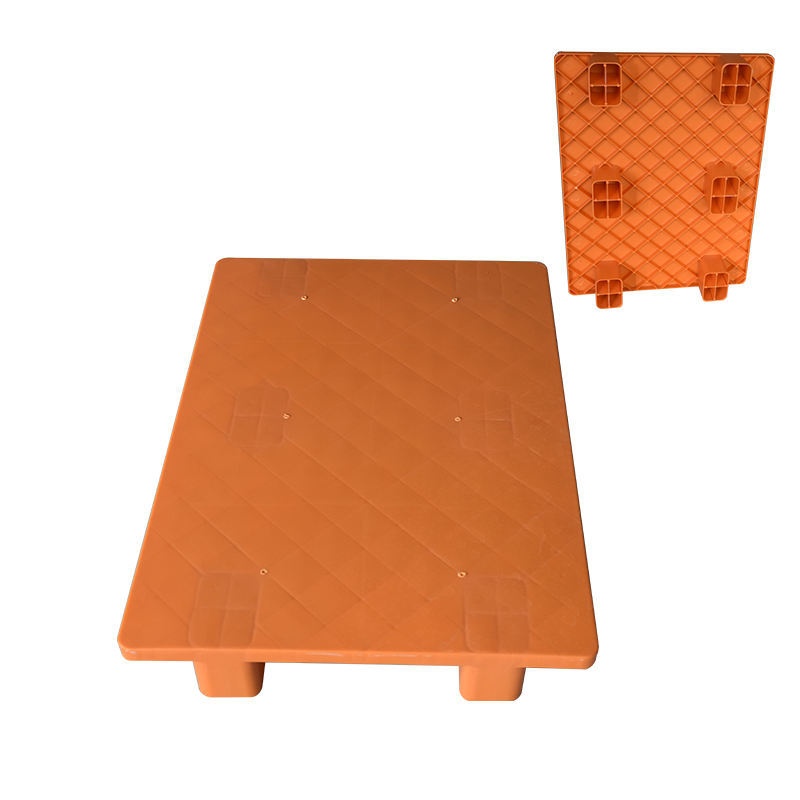
In 2026, demand for the plastic large pallet shifted from simple volume purchasing to performance-driven selection, as technical evaluators and procurement teams faced higher expectations for durability, hygiene, automation compatibility, and lifecycle cost control. Understanding what changed helps buyers compare materials, load capacity, and long-term value more accurately, especially in industries where efficiency, compliance, and supply chain resilience now shape pallet investment decisions.
Why did plastic large pallet demand change so noticeably in 2026?
The biggest change was not simply higher or lower demand volume. It was a shift in buying logic. In rubber and plastics related supply chains, buyers increasingly moved from unit-price comparison to 3 core indicators: service life, handling compatibility, and hygiene performance. This change became more visible in warehouses running 2–3 shifts, export-oriented production, and distribution centers that depend on predictable material flow.
Technical evaluation teams also became more involved earlier in the procurement cycle. Instead of approving pallets after commercial negotiation, many companies now review entry type, deck structure, material choice, and reuse frequency before RFQ release. For plastic large pallet sourcing, that means the discussion often starts with load movement conditions, forklift routes, racking expectations, and cleaning requirements rather than price alone.
Another important change came from operational risk. Damaged pallets can interrupt line-side feeding, cold chain transfer, and chemical storage workflows. In sectors where downtime is expensive, a pallet is no longer treated as a low-value accessory. Procurement teams are therefore asking more detailed questions about HDPE versus PP, dimensional consistency, moisture resistance, and whether the pallet can maintain performance over repeated cycles.
Shanghai Ximin Industrial Development Co., Ltd., as a professional manufacturer covering plastic pallets, molded pallets, turnover boxes, waste containers, tanks, and related industrial plastic products, fits this market direction well because buyers increasingly prefer suppliers able to support both product selection and broader handling scenarios instead of offering only a single standard item.
What procurement teams are prioritizing now
- Lifecycle value over first cost, especially when pallets are reused weekly or daily.
- 4-way handling access for smoother forklift and pallet jack movement in dense storage layouts.
- Material behavior under cold, wet, or chemically sensitive environments.
- Supplier response speed, sample coordination, and OEM or ODM support within normal project windows of 2–4 weeks for evaluation.
Which application scenarios are driving large plastic pallet selection?
Demand in 2026 became more segmented by application. A plastic large pallet used in cold chain logistics is judged differently from one used in a dry warehouse or chemical storage zone. Moisture, washdown frequency, floor condition, and handling intensity all change the recommended design. This is why a one-size-fits-all sourcing strategy often creates hidden replacement cost within 6–18 months.
Cold chain users usually emphasize moisture resistance, dimensional stability, and repeat handling under low-temperature conditions. Chemical storage users focus more on corrosion resistance, easy surface cleaning, and whether the pallet structure remains reliable when exposed to leakage risk or more frequent inspection. In both settings, wooden pallets often lose points because they can absorb moisture or require more maintenance.
For buyers comparing standard options, a reusable double-faced plastic pallet can be attractive where turnover frequency is high and manual plus forklift handling both occur. One example is Heavy duty high quality plastic pallet 1100x1100MM reusable, which combines 1100x1100MM sizing, 4-way entry, and materials such as HDPE or PP for users who need a practical balance between durability and multi-scenario handling.
The point is not that every site should buy the same model. It is that procurement now starts with application mapping. In many projects, 3 scenario checks are enough to narrow the right pallet family: storage environment, handling method, and reuse frequency. This approach reduces mismatches much faster than comparing catalog pages only.
Scenario comparison for technical evaluators
The table below helps compare how demand drivers differ across common industrial use cases for large plastic pallet sourcing.
This comparison shows why 2026 demand became more performance-specific. The same plastic large pallet category can serve multiple sectors, but the selection criteria change materially with environment and handling intensity.
What technical performance matters most in large plastic pallet evaluation?
Technical buyers increasingly look beyond basic dimensions. In 2026, performance discussions usually center on 5 practical points: material selection, pallet weight, entry design, deck style, and maintenance burden. Those factors directly affect throughput, replacement intervals, and compatibility with forklifts, conveyors, and storage practices used across rubber and plastics operations.
Material remains one of the first filters. HDPE is often preferred when impact resistance and moisture performance are important. PP may be considered where stiffness or specific use conditions are relevant. Neither material is universally better in every case. The right decision depends on environment, handling frequency, and whether the pallet will be stacked, moved, or stored under changing temperatures.
Design details also matter more than many buyers expect. A 4-way entry improves forklift flexibility and can save time in busy aisles. A double-faced style may support more stable use in certain turnover patterns. Pallet weight, such as 23.5kg in one heavy-duty configuration, can indicate stronger construction but should always be reviewed together with handling method and operator convenience.
For sourcing discussions, technical teams should ask for clear product preprocessing data, intended use scenario, and whether OEM or ODM support is available. That is especially useful when dimensions like 1100x1100MM must align with internal packaging units, storage lanes, or transport plans.
Parameter snapshot buyers should verify
Before comparing quotations, use a parameter table to prevent hidden mismatches between similar-looking pallet offers.
This kind of parameter check is simple, but it reduces costly mistakes. In many procurement reviews, unclear entry type or unsuitable deck structure causes more trouble than the initial price difference.
Three technical checks before approval
- Confirm whether the pallet will be used mainly for storage, transport, or continuous turnover across 2 or more departments.
- Match material and structure to wet, cold, or chemical-contact conditions instead of relying on a generic heavy-duty label.
- Check whether dimension, entry direction, and deck style fit current forklift practice and planned process automation.
How should procurement compare plastic pallets against alternatives?
In 2026, more buyers are comparing plastic pallets not only against other plastic models, but also against wooden, iron, or mixed-material alternatives. The decision is no longer based on material preference alone. It depends on sanitation, maintenance labor, environment, return frequency, and whether pallet damage creates downstream disruption.
Wooden pallets may still serve low-cycle or one-way distribution needs, but they can introduce variability in wet conditions and often need more frequent replacement. Iron pallets may be considered for specific heavy industrial uses, yet they can add weight-related handling constraints or corrosion concerns in certain settings. Plastic large pallet demand increased because many operations now want a reusable option with more stable dimensions and lower routine maintenance.
For procurement teams with limited budgets, the best practice is to compare ownership cost over a defined period such as 12 months or 24 months. That review should include purchase quantity, expected damage rate, cleaning needs, line interruptions, and replacement lead time. A lower initial price can become less attractive if service interruptions rise after frequent use.
Suppliers with multi-product capability can also help buyers compare alternatives more objectively. Because Shanghai Ximin Industrial Development Co., Ltd. covers plastic pallets, iron pallets, wooden pallets, molded pallets, and other industrial plastic products, the evaluation can be closer to actual usage needs rather than restricted to one material recommendation.
Material comparison for decision-making
The table below supports a practical comparison of common pallet types used in industrial procurement.
This comparison helps clarify why plastic pallet demand strengthened in sectors where hygiene, repeatability, and process control matter more than one-time purchase savings.
What should technical evaluators and buyers check before placing an order?
A structured procurement process usually delivers better results than comparing quotations line by line. In most B2B pallet projects, 4 steps are enough: define the use scenario, verify key parameters, request sample or drawing confirmation if needed, and confirm delivery plus after-sales communication. This keeps technical and commercial review aligned.
For technical evaluators, the first task is to document operating conditions. Include storage environment, handling equipment, expected reuse cycle, and whether the pallet will support static storage, transport movement, or both. For procurement teams, the second task is to verify commercial clarity: quantity range, delivery window, customization scope, and packaging requirements.
Where custom design is required, suppliers that can work from technical drawings or design concepts shorten the communication loop. That matters when projects need OEM or ODM support, special deck preferences, or coordination with matching turnover boxes and related warehouse items. A response target such as within 24 hours can also reduce sourcing delays during active project phases.
Buyers should also ask practical questions instead of generic ones. For example: Which material is better for repeated wet handling? Is the 4-way entry compatible with current forklifts? What is the typical sample and confirmation sequence? These questions lead to better decisions than asking only whether a pallet is heavy duty.
A simple procurement checklist
- Define 3 use conditions: environment, handling method, and turnover frequency.
- Verify 5 key items: size, material, entry type, structure style, and reuse target.
- Request drawing, specification, or sample support where internal approval requires physical validation.
- Confirm delivery timing, quantity band, and whether custom production changes lead time by 1–3 weeks.
Common questions buyers ask in 2026
How do I choose between HDPE and PP for a plastic large pallet?
Start with environment and handling intensity. HDPE is often considered when moisture resistance and repeated impact matter. PP may be reviewed for different structural priorities. The right answer depends on your storage condition, movement frequency, and whether the pallet faces cold chain or chemical storage exposure.
Is 4-way entry really important?
In many warehouses, yes. A 4-way entry improves forklift access from multiple directions, which can reduce turning constraints in tighter aisles and support faster routine movement. For sites with mixed operators or more than 1 loading zone, this feature becomes even more useful.
When does a reusable pallet become more economical?
Usually when turnover is frequent enough that replacement, cleaning, and handling consistency affect the monthly operating cost. If pallets are used repeatedly over 12–24 months, lifecycle comparison often gives a clearer answer than first-price comparison.
Can one supplier support broader warehouse product coordination?
That is often preferable. Suppliers with experience in pallets, turnover boxes, bins, tanks, and related industrial plastic products can help buyers standardize more than one handling unit, which reduces sourcing fragmentation and simplifies future replenishment planning.
Why choose a supplier with broad manufacturing and customization support?
The 2026 market is rewarding suppliers that can do more than quote a standard pallet. Buyers now need faster technical feedback, clearer parameter confirmation, and realistic advice on matching products to application conditions. This is particularly important in rubber and plastics related operations where movement reliability, hygiene, and warehouse efficiency are connected.
Shanghai Ximin Industrial Development Co., Ltd. supports this need through a product range that extends beyond plastic pallets to iron pallets, wooden pallets, molded pallets, turnover boxes, trash cans, tanks, hollow boards, and industrial support items. For procurement teams, that means easier cross-category discussion when a project involves more than one storage or material handling component.
The company’s manufacturing capability, OEM and ODM support, and experience translating technical drawings or design concepts into finished products are useful for buyers managing customized dimensions, packaging logic, or special warehouse workflows. In practical terms, this helps shorten the gap between internal requirement definition and final sourcing confirmation.
If you are reviewing plastic large pallet options for cold chain logistics, chemical storage, or general industrial reuse, you can contact the team to discuss 6 concrete topics: parameter confirmation, product selection, size adaptation, lead time planning, sample support, and quotation structure. That creates a more efficient buying process than starting from price alone.
What you can discuss before ordering
- Whether a standard or customized plastic large pallet is better for your handling route.
- How 1100x1100MM or other sizes fit your packaging unit and warehouse layout.
- Which material and structure are more suitable for moisture, cold, or chemical exposure.
- Expected delivery cycle, sample arrangement, and OEM or ODM communication steps.
Related Posts
Products
Message

Leave a message
Have any questions or requests? Please leave a message and we will get back to you as soon as possible.