


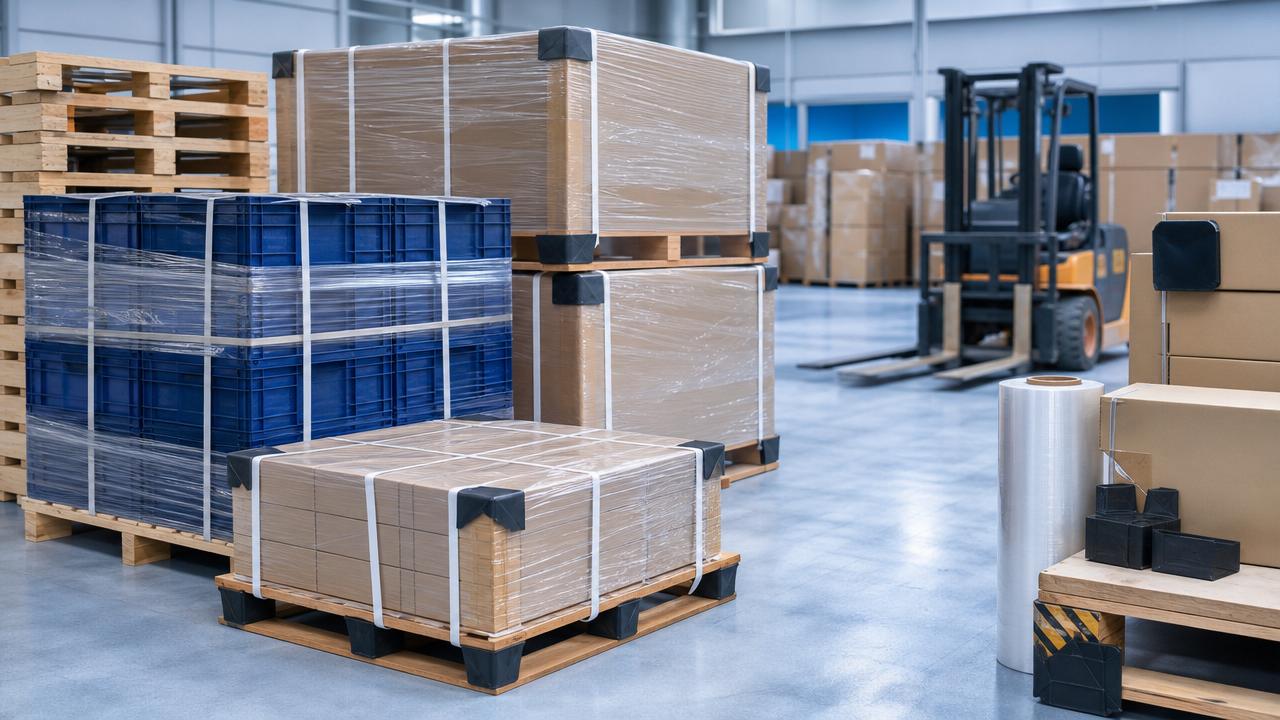
For procurement and evaluation professionals, a rising wooden pallet quotation often comes down to one issue: urgency. When a buyer asks for much faster delivery than normal, the supplier usually faces higher purchasing, production, and logistics costs. In most cases, the price increase is not arbitrary. It reflects the real cost of compressing the supply cycle.
If you are comparing bids, the key question is not simply why one quote is higher. The better question is which part of the fast-delivery request is creating extra cost, and whether that premium is justified by your operational risk, project timeline, or inventory strategy.
Why fast delivery changes the economics of a wooden pallet quotation
Wooden pallet production looks simple from the outside, but lead time matters more than many buyers expect. A standard quotation is usually based on planned timber sourcing, scheduled labor, routine quality inspection, and normal transport booking.
When delivery must be accelerated, that planned workflow breaks. The supplier may need to buy available material at spot-market prices, rearrange production slots, authorize overtime, or use more expensive shipping channels. Each of these decisions raises cost.
That is why a fast-turn wooden pallet quotation often includes a premium even when pallet size, load capacity, and design remain unchanged. The technical product may be the same, but the supply conditions are not.
What cost items usually increase under urgent delivery requests
For business evaluators, the most useful approach is to review the quotation by cost driver. The first and most common factor is raw material sourcing. If standard wood stock is insufficient, the supplier may need to purchase from alternative channels at a higher unit price.
The second factor is labor. Urgent orders often require overtime, additional shifts, or temporary allocation of staff from other jobs. This does not only raise direct labor cost; it can also reduce overall factory efficiency.
The third factor is production scheduling. To insert an urgent pallet order, the supplier may need to delay another customer’s batch, reset equipment, or split production into smaller runs. Those changes create hidden costs that are usually reflected in the quotation.
The fourth factor is logistics. Normal transport planning allows consolidation and route optimization. Fast delivery may require dedicated trucks, partial loads, or premium freight arrangements. Even short-distance delivery can become more expensive when flexibility disappears.
How procurement teams should evaluate whether the premium is reasonable
Not every higher quote is unreasonable, and not every urgency fee is justified. Procurement teams should ask suppliers to identify the source of the increase. A credible supplier can usually explain whether the premium comes from timber, labor, line scheduling, packaging, or transport.
It is also useful to compare the urgent quotation with a standard-lead-time quotation for the same specification. This side-by-side comparison makes it easier to separate product cost from urgency cost, which supports clearer internal approval.
Another practical step is to ask whether partial delivery is possible. In some cases, a supplier can ship an initial quantity quickly and deliver the balance later. This may reduce the total premium while still protecting your operations.
Buyers should also assess the cost of delay on their own side. If a slower pallet delivery causes production stoppage, export delay, warehouse congestion, or customer penalties, paying more for speed may be the lower-risk option.
Questions that help business evaluators avoid weak or inflated quotations
When reviewing a fast-delivery pallet offer, ask direct commercial questions. What is the normal lead time? What lead time is being requested? Which cost elements changed? Is the increase temporary or linked to current market supply conditions?
It is equally important to confirm whether the supplier is protecting quality while accelerating delivery. A lower-quality urgent batch can create larger downstream losses through breakage, loading issues, or failed inspections.
Experienced suppliers should be able to discuss moisture control, nail quality, structure consistency, and load performance even under compressed timelines. Speed should not mean uncontrolled production.
In broader logistics planning, some companies reduce pallet pressure by using reusable handling products for internal circulation. For example, in warehousing and food-related workflows, Large capacity durable plastic turnover box solutions can support cleaner, stackable, and impact-resistant material handling where wood is not always necessary.
How suppliers and buyers can reduce urgent-delivery cost over time
The best way to lower a future wooden pallet quotation is not aggressive price negotiation alone. It is better planning. Forecast sharing, safety stock agreements, and specification standardization can all reduce the frequency of last-minute orders.
Buyers can also classify pallet demand into routine, seasonal, and emergency categories. Once that demand structure is visible, suppliers can prepare inventory or reserve capacity more effectively, reducing the premium attached to urgent requests.
For operations that use multiple packaging formats, evaluating alternatives can also improve cost control. In some logistics and agricultural applications, reusable plastic containers offer strong carrying capacity, corrosion resistance, and easy cleaning, which may reduce dependence on rush wood orders in certain scenarios.
Conclusion
Fast delivery requests raise a wooden pallet quotation because they force suppliers to replace efficient planning with expensive exceptions. Higher material costs, overtime labor, disrupted schedules, and premium transport all contribute to the final number.
For procurement and evaluation professionals, the smartest response is to break the quote into its real cost drivers, compare standard and urgent lead-time pricing, and judge the premium against the business cost of delay. When urgency is genuine, a higher quotation may be commercially reasonable. When it is not, better planning is usually the best cost-saving strategy.
Related Posts
- Why Fast Delivery Requests Raise a Wooden Pallet Quotation
- Why One Wooden Pallet Quotation Can Differ by 20 Percent
- Are Heavier Stackable Large Pallets Always the Safer Choice?
- Cold Storage Can Change Plastic Large Pallet Performance
- Recycled Plastic Large Pallet or Virgin Material for Heavy Use
- What Changed in Plastic Large Pallet Demand in 2026
Products
Message

Leave a message
Have any questions or requests? Please leave a message and we will get back to you as soon as possible.