


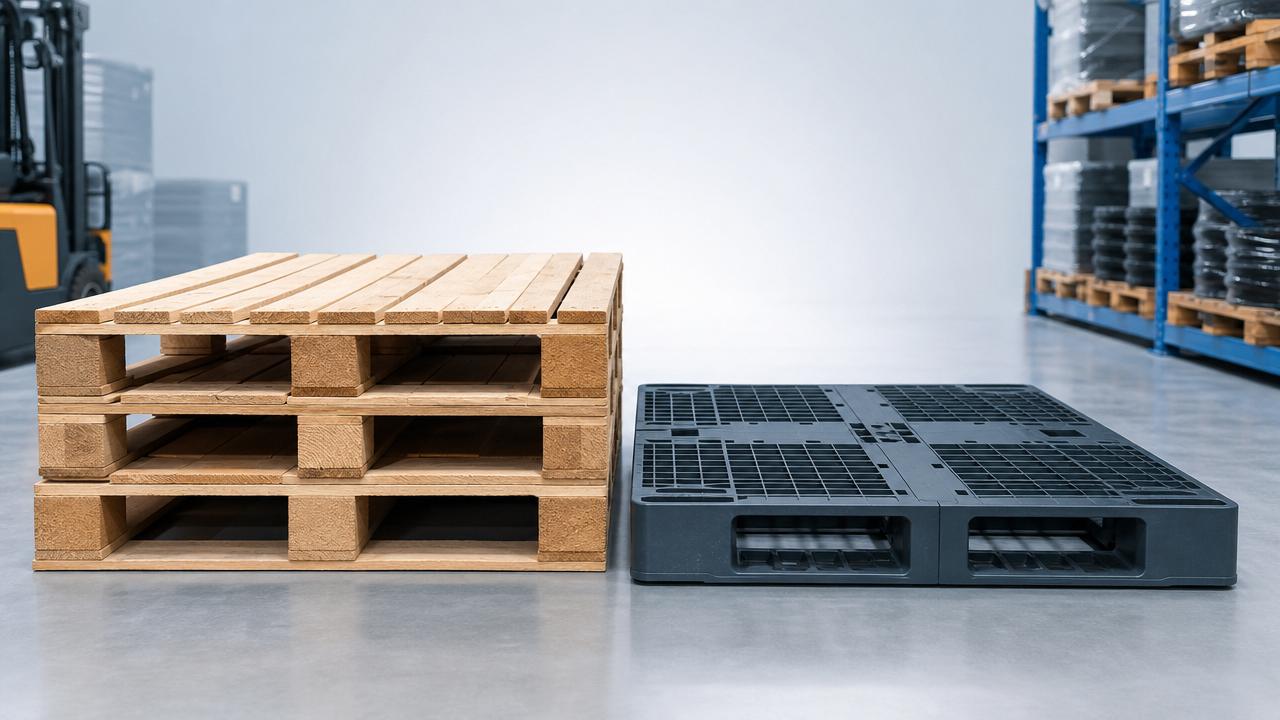
A wooden pallet quotation can differ by 20 percent because suppliers are often pricing different things, even when the pallet dimensions look similar. For buyers comparing options in the rubber and plastics industry, the key is not to ask only “What is the price?” but “What exactly is included in that price?” Material grade, wood moisture content, load rating, treatment standard, structure, and delivery terms can all change the final number.
What buyers are really searching for when comparing a wooden pallet quotation
Most information-stage buyers want to understand whether a higher quote means better value or just higher markup. They are trying to identify the real reasons behind price gaps before contacting suppliers or shortlisting vendors.
They also want a practical way to compare quotations fairly. If one supplier is 20 percent lower, the concern is whether the pallet is truly comparable in durability, compliance, safety, and service life.
The biggest reason: two pallets with the same size may not be the same product
A common mistake is to compare wooden pallets only by length, width, and height. In reality, deck board thickness, stringer dimensions, nail quantity, corner reinforcement, and wood species all affect both strength and price.
One pallet may be designed for light warehouse movement, while another is built for repeated forklift handling, export shipping, or racking. On paper, both may look like the same pallet, but their cost structure is different.
Raw material quality can quickly move the quote up or down
Wood grade is one of the main drivers behind a wooden pallet quotation. Higher-density wood, better drying control, and fewer natural defects usually result in stronger and more stable pallets, but also increase procurement cost.
Moisture content matters as well. Wet wood may lower the initial quote, yet it can lead to warping, mold risk, weight inconsistency, and shorter service life. Buyers focused only on the lowest price may miss these hidden costs.
Load requirements often explain price differences better than size does
Suppliers usually price according to required static load, dynamic load, and whether the pallet will be stacked or rack-supported. A pallet for one-way shipment does not need the same structure as a pallet for heavy repeated circulation.
If the RFQ does not clearly define use conditions, different suppliers will make different assumptions. That alone can create a 20 percent gap, because each supplier is quoting a different performance standard.
Manufacturing details and compliance requirements also affect cost
Heat treatment, fumigation, export compliance, surface finishing, and stricter quality inspection can all raise cost. For international movement or regulated industries, these specifications are not optional extras but basic requirements.
Production method matters too. A supplier with tighter process control may quote higher because rejection rates are lower, dimensions are more consistent, and the final pallet is more reliable in actual operation.
Order volume, packaging, and logistics are often hidden variables
Large orders usually benefit from better raw material purchasing, production scheduling, and freight efficiency. Small-batch or urgent orders often carry higher unit costs, even when the pallet design itself stays unchanged.
Delivery terms can further distort comparison. Some quotations include packaging, local transport, or tax, while others do not. A wooden pallet quotation should always be checked line by line before judging which supplier is cheaper.
How to compare quotations more accurately
Ask every supplier to quote against the same specification sheet. Include dimensions, wood type, moisture target, load requirements, treatment standard, entry type, quantity, destination, and expected usage frequency.
Then review not only unit price, but also service life, defect risk, compliance, and replacement cost. A pallet that fails early can become more expensive than a higher-priced option that performs consistently over time.
Why some buyers also compare wood with alternative pallet materials
During quotation research, some buyers discover that plastic pallets may offer lower long-term maintenance, better cleanliness, and more stable performance in moisture-sensitive environments. This is especially relevant in cold chain logistics or chemical storage.
For example, Reinforced Plastic Storage Pallet Anti-Moisture Plastic Tray Heavy Duty 1200 X 1100 X 150mm is designed with HDPE/PP material, double-faced structure, and easy-clean features that can suit demanding handling conditions.
That does not mean wood is the wrong choice. It means buyers should evaluate quotation differences in the context of total use cost, environment, hygiene requirements, and replacement frequency, not just initial purchase price.
What a good supplier should clarify in the quote
A reliable supplier should state material details, structural design, load assumptions, treatment method, tolerances, and commercial terms clearly. If key points are vague, price comparison becomes unreliable and procurement risk increases.
Experienced manufacturers that supply wooden pallets alongside plastic, iron, or molded pallets can often give more balanced guidance because they understand different application scenarios instead of pushing only one material category.
Conclusion
A 20 percent difference in a wooden pallet quotation is usually not random. It often reflects real differences in materials, performance assumptions, compliance, order conditions, and service scope. The important question is whether you are comparing equal specifications.
For information-stage buyers, the smartest approach is to standardize requirements first, then compare total value rather than headline price alone. That is how you turn quotation research into a confident sourcing decision.
Related Posts
- Why One Wooden Pallet Quotation Can Differ by 20 Percent
- Are Heavier Stackable Large Pallets Always the Safer Choice?
- Cold Storage Can Change Plastic Large Pallet Performance
- Recycled Plastic Large Pallet or Virgin Material for Heavy Use
- What Changed in Plastic Large Pallet Demand in 2026
- Plastic Large Pallet Size Choices That Affect Container Fill
Products
Message

Leave a message
Have any questions or requests? Please leave a message and we will get back to you as soon as possible.