


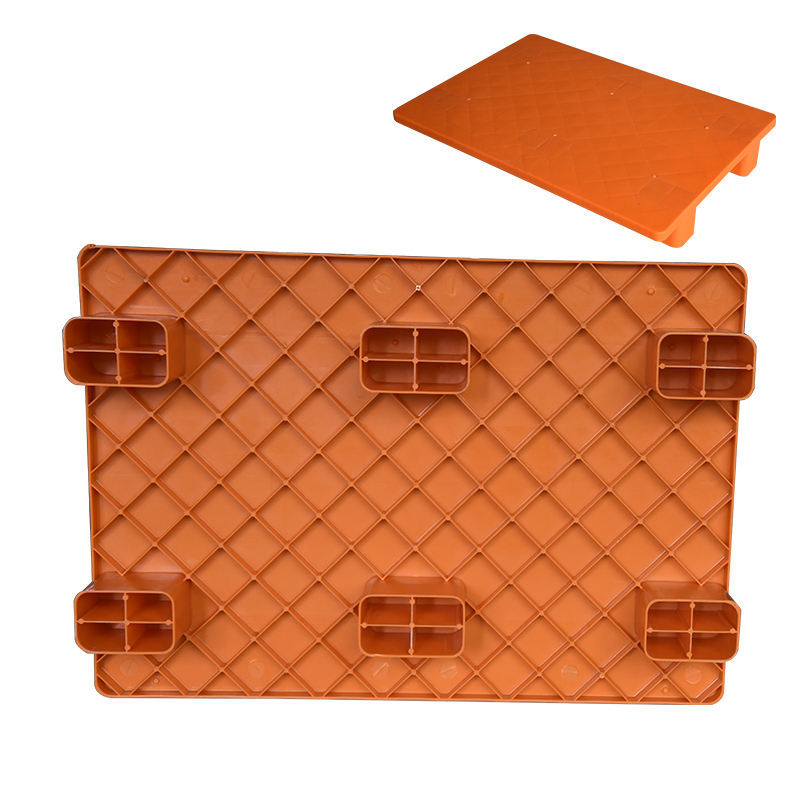
5 Key Factors When Selecting Plastic Pallets for Industrial Projects
Choosing the right plastic pallet for your industrial project is crucial for efficiency, safety, and cost-effectiveness. As project managers and engineering leaders, you need durable alternatives to traditional wooden pallets that withstand heavy loads, harsh environments, and frequent use. This guide explores 5 essential factors to consider when selecting plastic pallets - from load capacity to material composition - helping you make informed decisions for your operations.
1. Load Capacity & Structural Design
Unlike wooden pallets prone to warping, plastic pallets offer superior load distribution. Our factory-direct HDPP pallets support up to 2,500kg dynamic load (EU standard, for reference), with reinforced rib structures that increase lifespan by 3-5 years compared to standard wooden pallets. Key considerations:
- Static vs Dynamic Load Ratings: Plastic pallets maintain 15-20% higher capacity under repeated movement
- Rackable vs Stackable Designs: Modular options for automated warehouses
- Corner Reinforcement: Critical for heavy machinery parts storage
2. Material Composition & Industry Compliance
Our FDA-approved HDPE/LLDPE materials outperform wooden pallets in:
- Chemical Resistance: Withstand acids/alkalis where wood degrades in 6 months
- Hygiene Control
- : Non-porous surfaces reduce bacterial growth by 92% (EU food safety data)
- Temperature Tolerance: Stable performance from -30°C to 80°C
3. Total Cost of Ownership Analysis
While plastic pallets have 20-30% higher upfront cost than wooden pallets, our factory-direct pricing delivers 40-60% lifetime savings:
4. Customization & Supply Chain Integration
As a manufacturer, we provide tailored solutions unavailable with wooden pallets:
- RFID/NFC Tag Integration: For smart warehouse tracking
- Color-Coding Systems: Improve workflow efficiency by 25%
- Anti-Slip Surfaces: Critical for automotive parts handling
For specialized needs like our High Quality Hdpp Plastic Crate Turnover Box Workshop Storage Heavy Duty Solid Box Plastic turnover box, customization includes size adjustments from 600x400mm to 1400x1200mm.
5. Environmental Impact & Sustainability
Modern plastic pallets outperform wood in green initiatives:
- 100% Recyclable: Our HDPP pallets can be reprocessed 7+ times
- Carbon Footprint: 3-year use reduces emissions by 1.2 tons vs wood replacements
- No Chemical Treatments: Unlike wooden pallets requiring methyl bromide fumigation
FAQ: Plastic Pallet Selection
Q1: How do plastic pallets handle extreme temperatures compared to wood?
A: Our HDPP pallets maintain structural integrity from -30°C to 80°C, whereas wood warps above 60°C and becomes brittle below -10°C.
Q2: What's the ROI when switching from wooden to plastic pallets?
A: Based on 2026 EU logistics data, clients achieve breakeven in 14-18 months through reduced replacement costs and maintenance savings.
Q3: Can plastic pallets match wooden pallet dimensions for existing systems?
A: Yes, we manufacture ISO-standard sizes (1200x800mm, 1200x1000mm etc.) with ±3mm precision for seamless integration.
Next Steps for Procurement Teams
Request a free sample of our heavy-duty plastic pallets to test:
- Load capacity with your actual inventory
- Compatibility with forklifts/automated systems
- Chemical resistance in your operating environment
Related Posts
Products
Message

Leave a message
Have any questions or requests? Please leave a message and we will get back to you as soon as possible.