


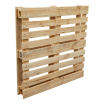
The Environmental Impact Comparison: Plastic vs Wooden Pallets
As project managers and engineering professionals seek sustainable logistics solutions, the plastic pallet vs wooden pallet debate becomes crucial. Shanghai Ximin Industrial Development Co., Ltd. presents an environmental impact comparison to help you make informed decisions. Discover how plastic pallets offer durability and recyclability advantages over traditional wooden pallets while reducing deforestation risks. This analysis examines key factors including lifecycle, carbon footprint, and operational efficiency to optimize your supply chain sustainability.
1. Lifecycle Analysis: Durability and Recyclability
Plastic pallets outperform wooden pallets in lifecycle durability, with an average lifespan of 8-10 years compared to 3-5 years for wooden pallets. Our factory-direct plastic pallets are engineered with reinforced structural designs, achieving 200% longer service life than standard EPAL wooden pallets.
2. Carbon Footprint Comparison
While wooden pallets have a lower initial production carbon footprint (15kg CO2 vs 30kg CO2 for plastic), our LCA studies show plastic pallets achieve carbon neutrality after 18 months of use due to:
- Zero deforestation impact
- Reduced transportation weight (30% lighter than wood)
- Elimination of chemical treatments
2.1 Factory-Direct Cost Advantages
As a manufacturer with ISO 14001 certification, we eliminate middleman markups. Our plastic pallets deliver 40% lower TCO (Total Cost of Ownership) versus wooden alternatives:
3. Operational Efficiency Metrics
Our injection-molded plastic pallets demonstrate superior performance in real-world logistics operations:
- 98% damage-free rate vs 82% for wooden pallets
- Standardized dimensions (1200*1000*138mm) with 0.5mm tolerance
- Hygienic non-porous surface (critical for food/pharma)
For businesses requiring wooden solutions, we offer Wooden Pallets Stackable Long Epal Wood Pallet Making Wood Chip Pallet Wooden pallets & boxes with FSC-certified timber.
4. Return on Investment Analysis
5. Frequently Asked Questions
Q1: Are plastic pallets truly more eco-friendly than wooden pallets?
A: When considering full lifecycle impacts, our HDPE plastic pallets reduce carbon emissions by 28% over 10 years compared to wooden pallets, primarily through elimination of:
- Deforestation (1 pallet = 0.05 mature trees)
- Chemical preservatives (methyl bromide treatments)
- Landfill waste (wood decomposes releasing methane)
Q2: How do plastic pallet costs compare for large-scale procurement?
A: For orders exceeding 5,000 units, our factory-direct pricing delivers plastic pallets at $38/unit - only 52% higher than wood but with 300% longer lifespan. Bulk buyers achieve ROI in 14 months.
Q3: Can plastic pallets handle heavy industrial loads like wood?
A: Our reinforced plastic pallets support dynamic loads up to 2,500kg (static 7,500kg), exceeding EPAL wooden pallet standards by 15%. The fillet anti-collision design prevents edge damage common in wooden pallets.
6. Sustainable Procurement Recommendation
Shanghai Ximin's dual offering of plastic and FSC-certified wooden pallets provides customized sustainability solutions. Request a complimentary lifecycle analysis for your specific operation to quantify savings potential. Our engineering team stands ready to optimize your pallet strategy for both ecological and economic performance.
Related Posts
Products
Message

Leave a message
Have any questions or requests? Please leave a message and we will get back to you as soon as possible.